

Residents of Fort McKay, an Indigenous community situated amidst the oilsands of northeastern Alberta, are grappling with high levels of dust pollution. A recent study published in Atmospheric Pollution Research revealed that the area faces significant dustfall events, surpassing air quality regulations on numerous occasions.
Led by researchers from the University of Toronto and Alberta, the study highlighted that the community is regularly inundated with coarse dust particles, not adequately monitored by current air quality standards. This oversight poses health risks, as these larger particles can have unknown harmful effects.
The research, conducted over 24 months, showed that Fort McKay experiences excessive monthly dustfall compared to neighboring regions. Dustfall buckets and ambient sampling methods were employed to collect data, with Fort McKay registering the highest dustfall rates among all locations surveyed.
While Alberta regulates fine dust particles (PM2.5), there is a lack of specific guidelines for larger particles (PM10) that often originate from industrial activities like mining and construction. The study emphasizes the need for updated monitoring practices and stricter regulations to address the community’s dust pollution concerns.
Experts advocate for continuous monitoring and revised air quality objectives to accurately assess the impact of dust pollution on Fort McKay residents. The study calls for enhanced monitoring efforts and real-time tracking to identify pollution sources and safeguard community health.
Despite the concerning findings, regulatory bodies like the Alberta Energy Regulator and Fort McKay First Nation have refrained from commenting on the study. Alberta Environment officials stated that the research will be considered in ongoing evaluations of monitoring strategies and air quality guidelines.
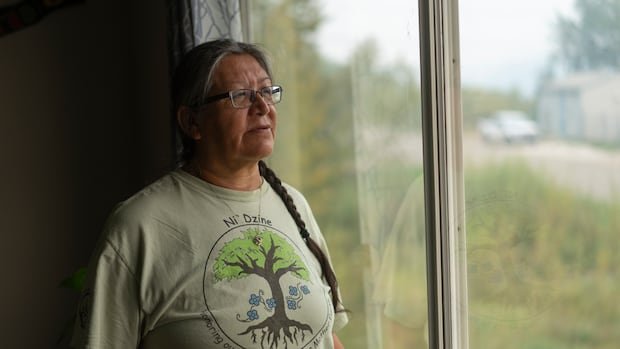
For Fort McKay residents like Jean L’Hommecourt, the study validates longstanding concerns about air quality in the community. The research underscores the need for proactive measures to address dust pollution and safeguard the health of residents.