

Canadian Space Agency astronaut Joshua Kutyrk is scheduled to launch from Cape Canaveral, Florida on October 1, equipped with cutting-edge Canadian technology. Living and working in space poses significant challenges as the human body is not designed for prolonged exposure to low gravity, leading to various health risks for astronauts.
One major concern is the development of potentially life-threatening blood clots, a risk that NASA is keen on mitigating to ensure the well-being of astronauts aboard the International Space Station. To address this issue, NASA has partnered with Vancouver-based Response Biomedical to utilize innovative technology during space missions.
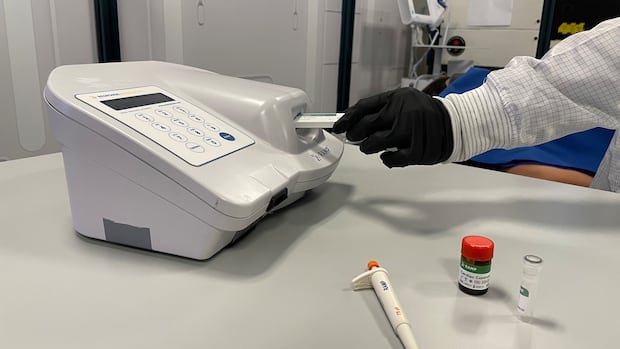
The technology in question, known as Acute Care Testing in Space (ACTIS), is derived from Response Biomedical’s existing RAMP technology. ACTIS can detect the presence of D-dimer in the blood, a protein fragment indicative of blood clot formation, as well as screen for other medical conditions such as heart attacks and infectious diseases like COVID-19 and RSV.
This portable device offers quick and efficient blood testing capabilities, providing results within minutes, a crucial feature for space missions where timely medical assessments are essential. Moreover, this technology has practical applications beyond space exploration, particularly in remote communities where access to healthcare services may be limited.
The successful integration of ACTIS into space missions not only enhances astronaut safety but also showcases Canadian innovation on a global stage. Looking ahead, there is optimism that this technology could play a vital role in future space exploration endeavors, potentially extending its reach to missions on the moon or Mars. The collaboration between NASA and Canadian companies like Response Biomedical highlights the ongoing value and adaptability of Canadian technology in driving advancements in space research and beyond.