
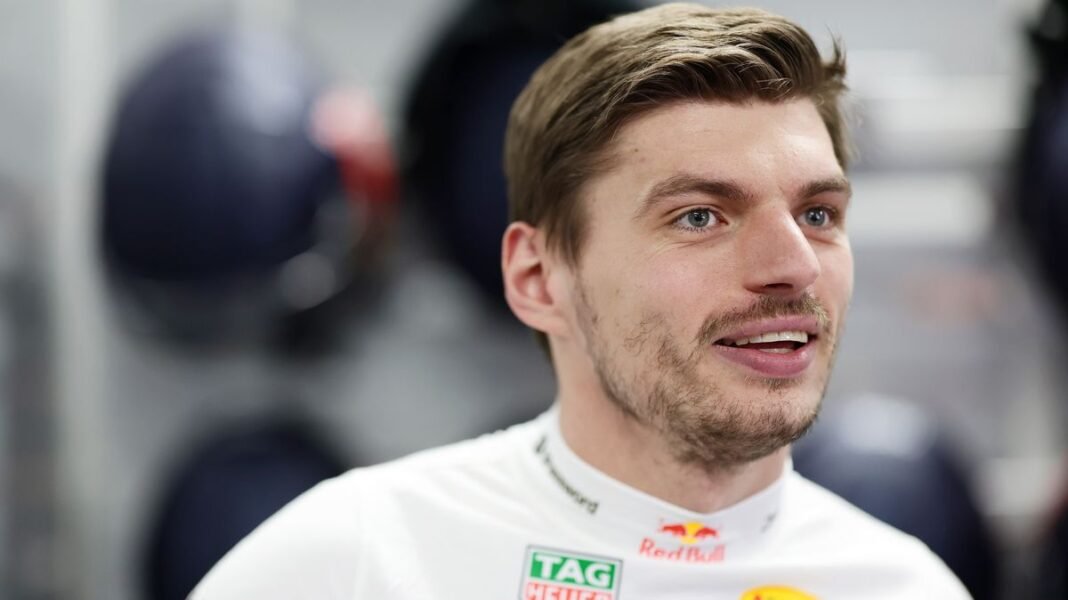

After a thrilling Japanese Grand Prix, the BBC’s interview with Max Verstappen stirred controversy as it violated F1 guidelines. Verstappen, a four-time world champion, expressed frustration with his performance at Suzuka, finishing in eighth place. This disappointing result has left him trailing behind competitors like Pierre Gasly and Oliver Bearman in the season standings.
Verstappen’s discontent stems from the new F1 regulations, which he believes have dampened the excitement of racing at the highest level. Following the race, he openly discussed contemplating his future in the sport, hinting at potential retirement despite being under contract with Red Bull until 2028. During the interview with BBC’s Jennie Gow, which exceeded the usual question limit set by F1 guidelines, Verstappen shared his candid thoughts.
BBC’s chief F1 correspondent, Andrew Benson, praised Verstappen’s transparency and Gow’s intuitive approach to the interview. While F1 regulations typically allow for only two questions post-race, Gow sensed Verstappen’s mood and extended the conversation with five questions. Verstappen’s PR handler at Red Bull, Anna Webster, recognized his willingness to continue discussing, permitting the interview to go beyond the standard limits.
Verstappen has repeatedly mentioned his readiness to leave F1 if it ceases to bring him joy, raising uncertainties about his future decisions. In response to inquiries about his plans, he reflected on the challenges and considerations he faces within the sport, emphasizing the importance of personal fulfillment over financial gain.
Despite his struggles on the track, Verstappen clarified that his frustration is not directed towards Red Bull, acknowledging the team’s challenges in adapting to the new F1 regulations. As the F1 landscape evolves with radical rule changes and emerging talents like Lando Norris, the upcoming 2026 season promises to deliver more excitement and unpredictability. Stay informed with our special edition guide to the new era of F1.