
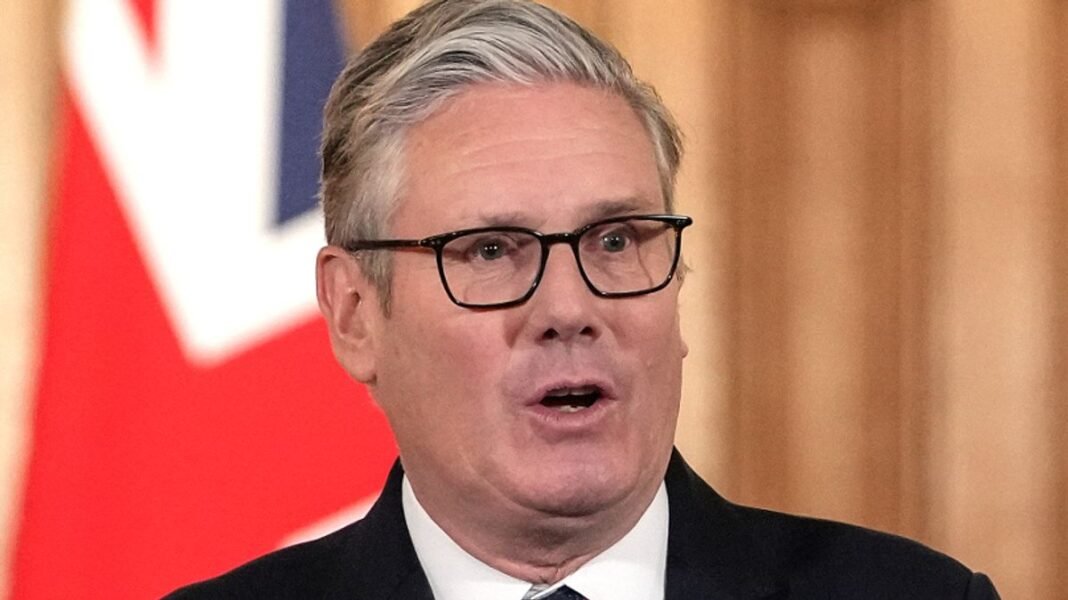

Keir Starmer delivered a remarkable speech today, advocating for a ban on social media for individuals under 16 years old. While his address was moving and compelling, there are concerns about the practicality and effectiveness of such a ban in our society.
The proposed measures, dubbed “Australia+,” are expected to be implemented next spring. They aim to restrict access for minors to popular platforms like Snapchat, TikTok, YouTube, Instagram, Facebook, and X. While the ban may pose challenges for families with young social media users, it could offer an opportunity for enhanced education on digital literacy, online behavior, respect, and consent for younger children.
Despite the positive aspects, there is a need for government investment in supporting these educational initiatives. Starmer also outlined plans to introduce restrictions on tech functionalities for 16 and 17-year-olds to prevent abrupt transitions and address issues such as overnight curfews and infinite scrolling for those under 18.
However, there are concerns about the effectiveness of the ban, particularly regarding enforcement and the platforms covered. Encrypted messaging services like WhatsApp and Signal will not be included in the ban, raising questions about how comprehensive the protection measures will be. Additionally, the exclusion of certain platforms may present challenges in ensuring online safety for all children.
Critics argue that the ban may not address the root issues of online safety and could inadvertently benefit social media companies. Instead, there is a call for greater pressure on platforms to prioritize safety features for all users. The focus should be on holding companies accountable for implementing robust safety measures rather than relying solely on age restrictions.
As discussions continue on the proposed social media ban, it remains essential to consider the broader implications for online safety and the need for a comprehensive approach to protect individuals, especially young users, in the digital space.