

Five years ago, Abdul Razaq Khan, a former translator and fixer who assisted Canadian media during the Afghan conflict, received a late-night message from one of the journalists he had guided through the chaotic streets of Kandahar. As he tried to rest in his Kabul residence after the Canadian departure from Afghanistan, he was now working at the American aid organization USAID. In the summer of 2021, the Taliban made advances towards Kabul.
Responding to the concerned message, Khan expressed his distress, stating, “It is like doomsday for us.” Presently settled in Canada, Khan reflects on the loss of his job, home, and country, grappling with the events leading to the rapid downfall of the western-supported government.
Forced to flee his homeland, Khan managed to escape on foot, crossing the Pakistani border just before the Taliban seized control of the Afghan capital. His association with Canadian media outlets, including The Canadian Press, CTV News, and Postmedia, had made him a target.
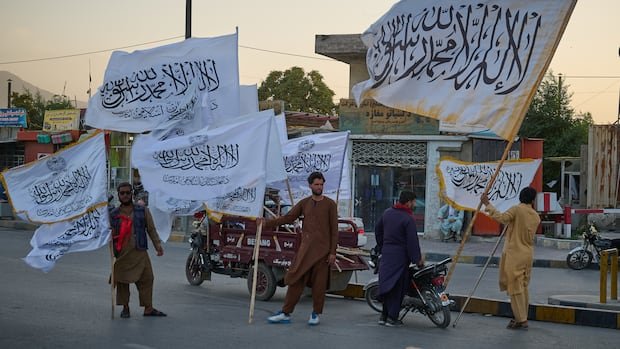
The Taliban’s triumph not only displaced numerous Afghans but also ushered in a return to their strict fundamentalist rule, erasing women from public life, suppressing free expression, and enforcing stringent moral codes through a dedicated ministry.
The Zan Times, a women’s advocacy group in Afghanistan, reported a surge in violence against women in the country, highlighting the lack of justice. Their findings revealed a disturbing trend of minimal arrests of male suspects in cases of women’s sudden deaths, often labeled as suicides by Taliban authorities.
Despite the collapse of the Afghan government in 2021, Western nations have struggled to safeguard women’s rights within Afghanistan, resorting to diplomatic censure and targeted sanctions as a response.
Various countries initiated special humanitarian visa programs to evacuate and protect high-risk Afghan women, including judges, activists, journalists, and politicians. However, the effectiveness of these efforts has been questioned, with reports indicating challenges in both evacuation and resettlement procedures.
Global Affairs Canada disclosed that over 60,000 vulnerable Afghans, primarily interpreters and their families, were resettled in the country following the Taliban’s takeover. While commendable, the efforts were deemed insufficient, leaving many still vulnerable to the Taliban’s oppressive regime.
Former Canadian combat commander, retired major-general Denis Thompson, emphasized the need to reopen programs to aid those left behind in Afghanistan. U.S. Democratic Senator Chris Coons underscored the importance of honoring promises made to those who risked their lives for American and NATO forces, urging continued efforts in this critical chapter of recent history.