
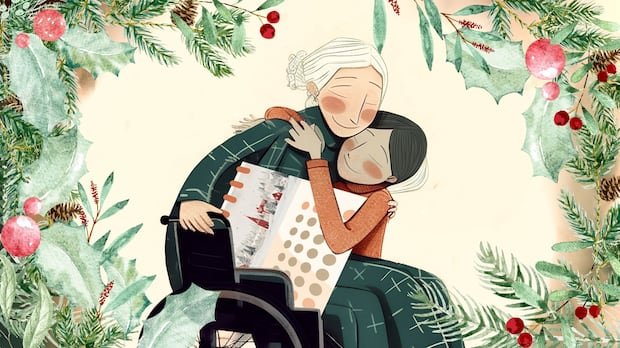

Nicole Robichaud, a lawyer and caregiver in Ottawa, shares her personal experience in this First Person account. For more First Person stories from CBC, please refer to the FAQ.
Nearly three decades ago, a folk art calendar became a cherished annual tradition in Nicole Robichaud’s family. The origins of the calendar gift are now hazy, but its significance remains constant, with someone in the family presenting it to her mother every Christmas.
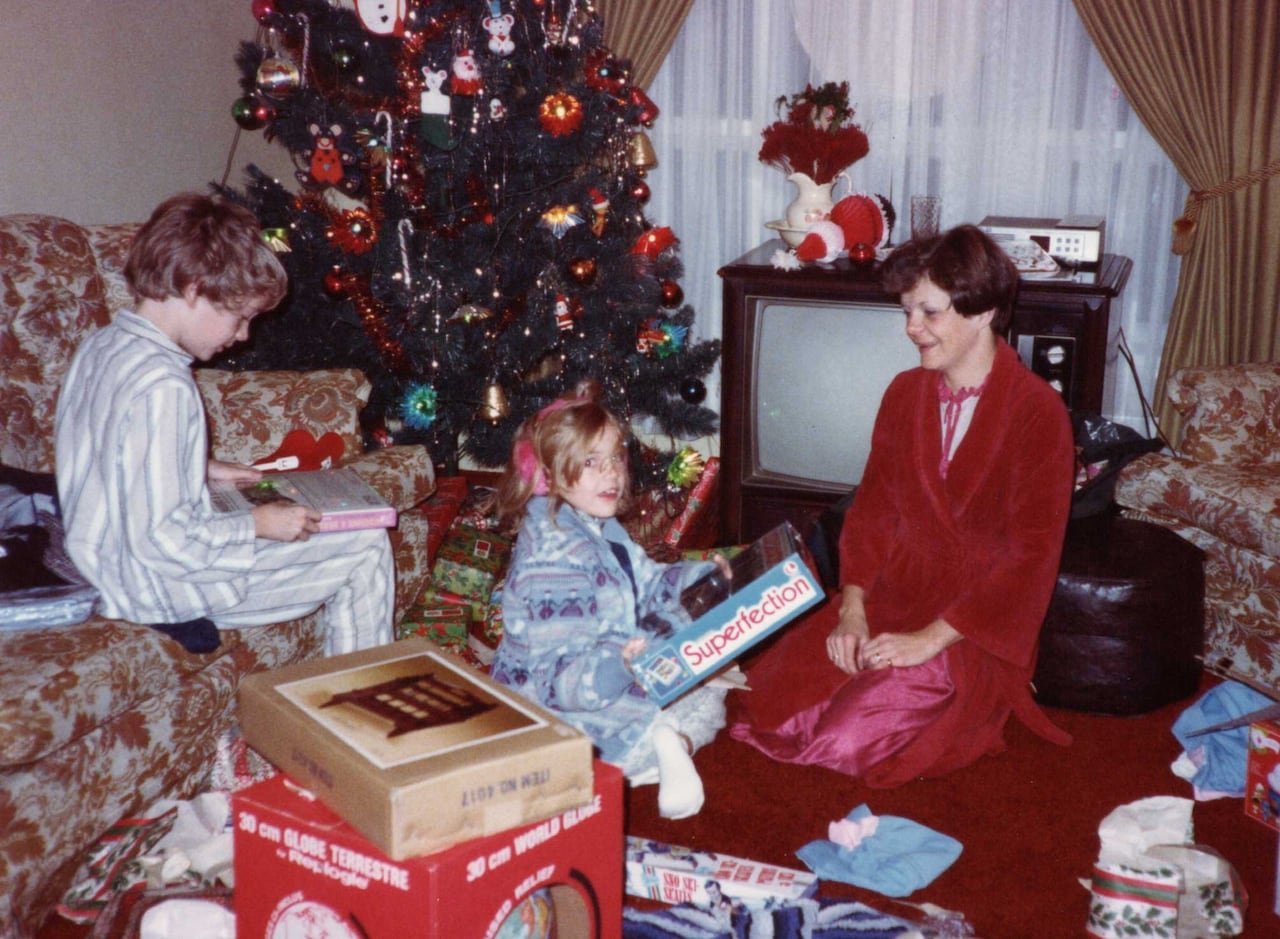
Growing up in Toronto, the holiday season was always special for Robichaud and her family. Amidst the festive cheer, the art calendar stood out as a favorite for her mother, who took delight in admiring each vibrant painting, especially December’s snow-filled scenes.
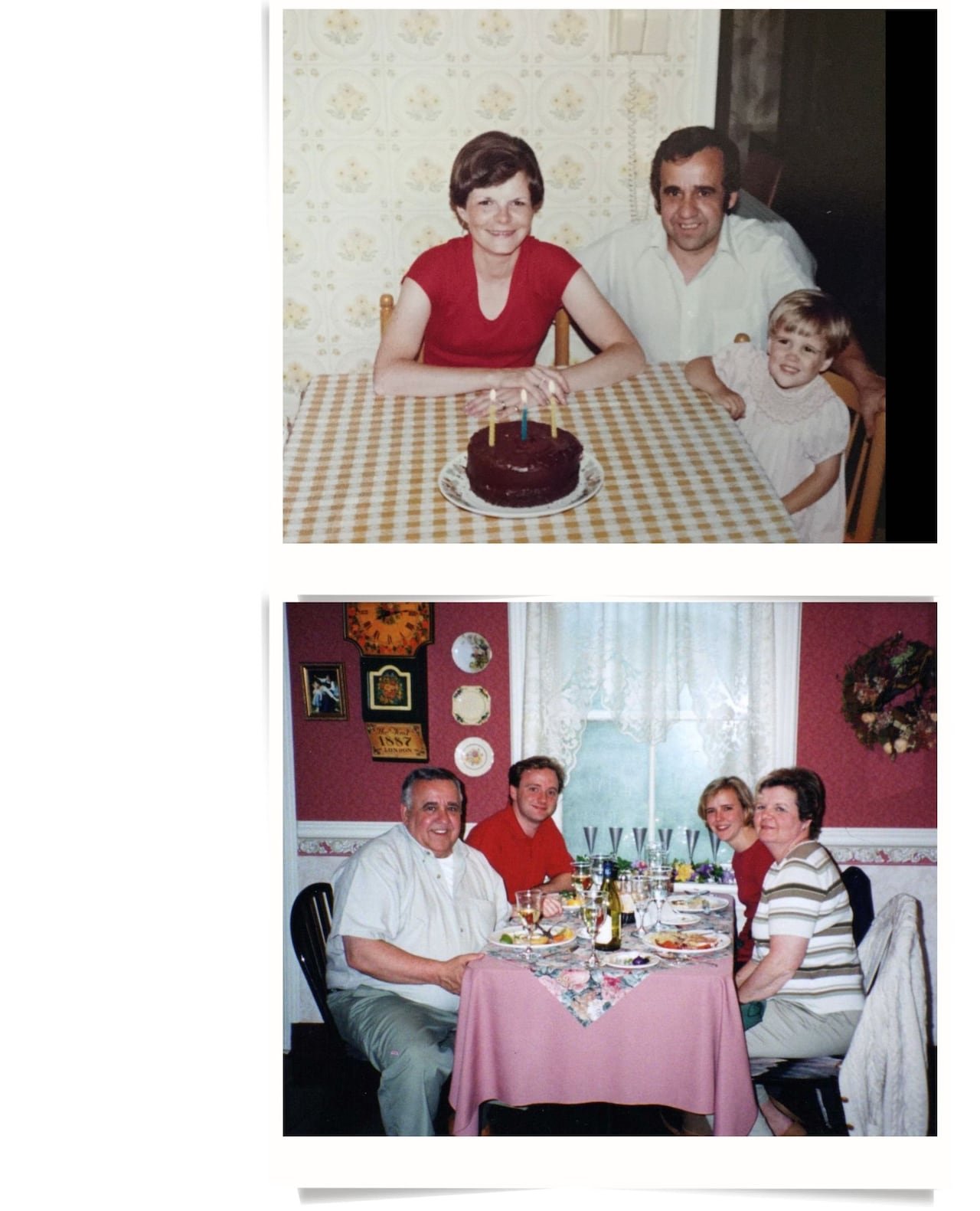
In 2015, at the age of 68, Robichaud’s mother was diagnosed with Alzheimer’s disease. Having supported her own father through a similar journey two decades earlier, she faced the diagnosis with awareness of the challenges ahead.
Despite initial frustrations with memory lapses, her mother remained positive and resilient, striving to maintain a cheerful demeanor amidst the progressing condition.
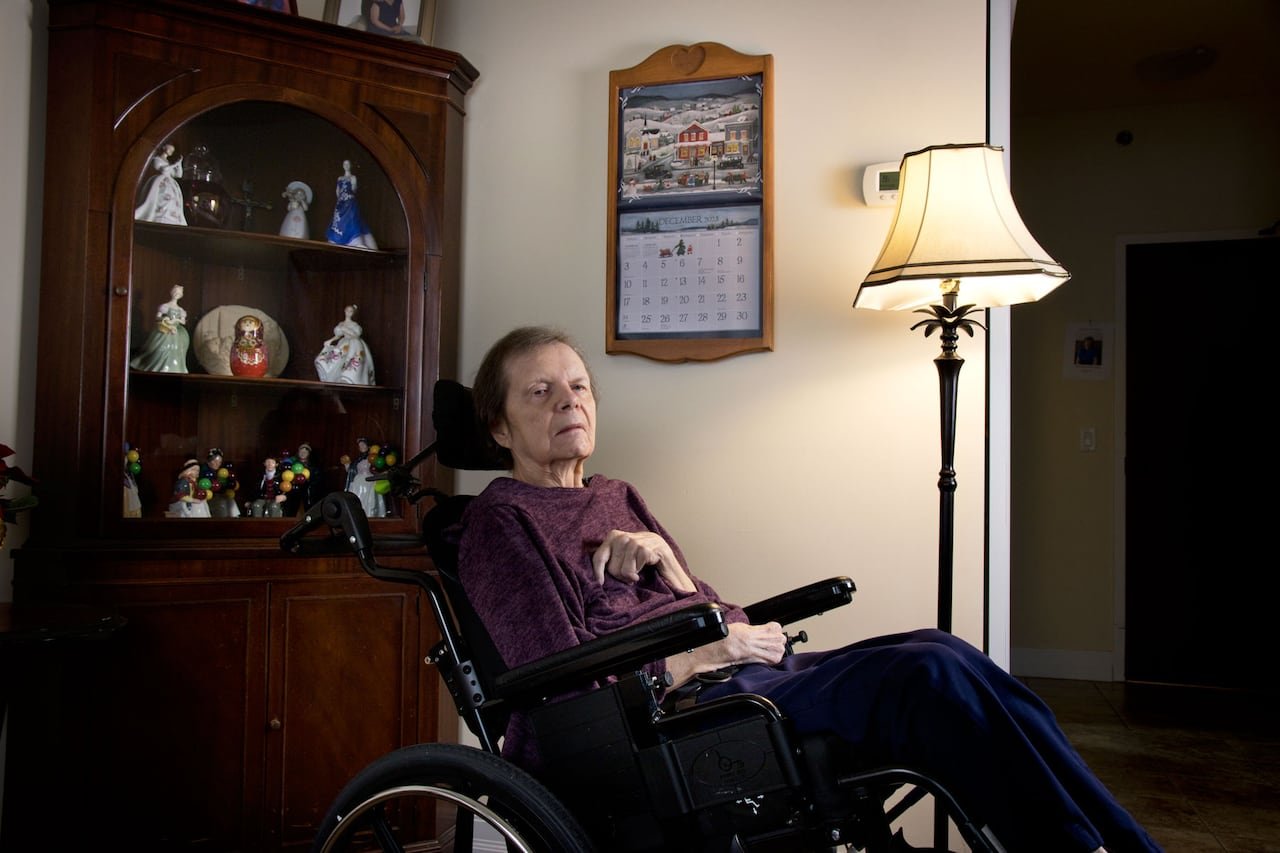
Over the years, as the disease advanced, her parents relocated to a retirement home in Ottawa in 2017, and following her father’s passing, her mother transitioned to the memory care unit. By 2021, confined to a wheelchair, she moved to a smaller living space, accompanied as always by the cherished calendar.
As her mother’s cognitive abilities declined and basic tasks became challenging, Robichaud found solace in moments of humor amidst the difficulties, such as her mother’s belief in a royal visit from the Queen.
Despite her mother’s diminishing cognitive abilities, Robichaud continued the tradition of ordering the calendar each year. The act of presenting the calendar during her visits held a special significance, offering a sense of purpose and connection to their shared past.
Even as her mother’s ability to engage with the calendar waned, the gesture of gifting it annually remained essential, symbolizing the enduring love and family traditions that transcend the limitations of Alzheimer’s disease.
In the present day, Robichaud finds herself navigating the challenges of interacting with her mother,