
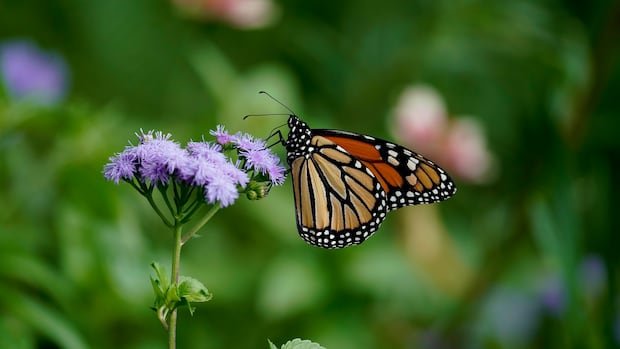

In La Broquerie, some 60 kilometers southeast of Winnipeg, MaryAnn Lepp is thrilled to witness a surge in monarch activity in her garden. She counted 20 caterpillars feeding on her swamp milkweed in a single day this week, with excitement bubbling as she spots more chrysalises.
This summer, Canadian monarch enthusiasts are reporting a notable increase in monarch populations in backyard milkweed patches across parts of the Prairie. While the exact cause of this surge remains uncertain, the favorable weather conditions are believed to play a significant role.
The rise in anecdotal sightings of caterpillars, chrysalises, and monarch butterflies is encouraging news for the federally endangered species known for their remarkable annual migration between Canada and Mexico. Marika Olynyk, curator of the Living Prairie Museum, noted a substantial presence of monarchs in Winnipeg throughout the season.
Monarchs thrive on nectar from milkweed flowers, although they can also feed on various flowering plants. However, during the caterpillar stage, they are selective and exclusively consume milkweed leaves. Despite efforts by individuals like Lepp to plant milkweed and native wildflowers, these vital habitats are still not as abundant or widespread as they once were due to habitat loss caused by the conversion of native grasslands to farmland.
The monarch’s endangered status was officially recognized in 2016 by the Committee on the Status of Endangered Wildlife in Canada. Although steps have been taken to protect them, including legal measures making it illegal to harm or capture monarchs on federal lands, challenges persist in maintaining sustainable populations.
In addition to monarchs, there has been an increase in numbers of the critically endangered Poweshiek skipperling butterfly. Assiniboine Park Zoo is actively involved in breeding and releasing Poweshiek skipperlings, aiming to bolster their population and prevent extinction.
The zoo’s efforts, coupled with favorable weather conditions, have shown promising signs of progress this summer. The conservation programs manager at the zoo, Laura Burns, highlighted the positive impact of these initiatives on butterfly populations. Besides monarchs and Poweshiek skipperlings, other butterfly species are also benefiting from these conservation efforts.
Looking ahead, zoo staff will be aiding monarchs in their migration by using radio transmitters to track their journey to Mexico. As passionate individuals like Epp continue to support and protect these delicate creatures, the collective efforts aim to preserve biodiversity and foster a harmonious relationship with nature.