


This week’s edition of Quirks & Quarks features Bob McDonald:
Insights from fossilized vomit regarding ancient marine creatures
The plesiosaur, an ancient ocean predator, was akin to a mythical sea monster. Comparable in size to a subway car, these long-necked beings hunted fish and foraged for shellfish on the ocean floor. However, the shells they consumed often caused them discomfort, leading them to swim ashore to regurgitate. A recent examination of vomit dating back 150 million years, discovered in North Sea sediments, uncovers new insights into the dietary habits and behaviors of these Jurassic-era hunters. Dirk Knaust, a geologist associated with the Norwegian firm Equinor, shared his research in Geological Magazine.
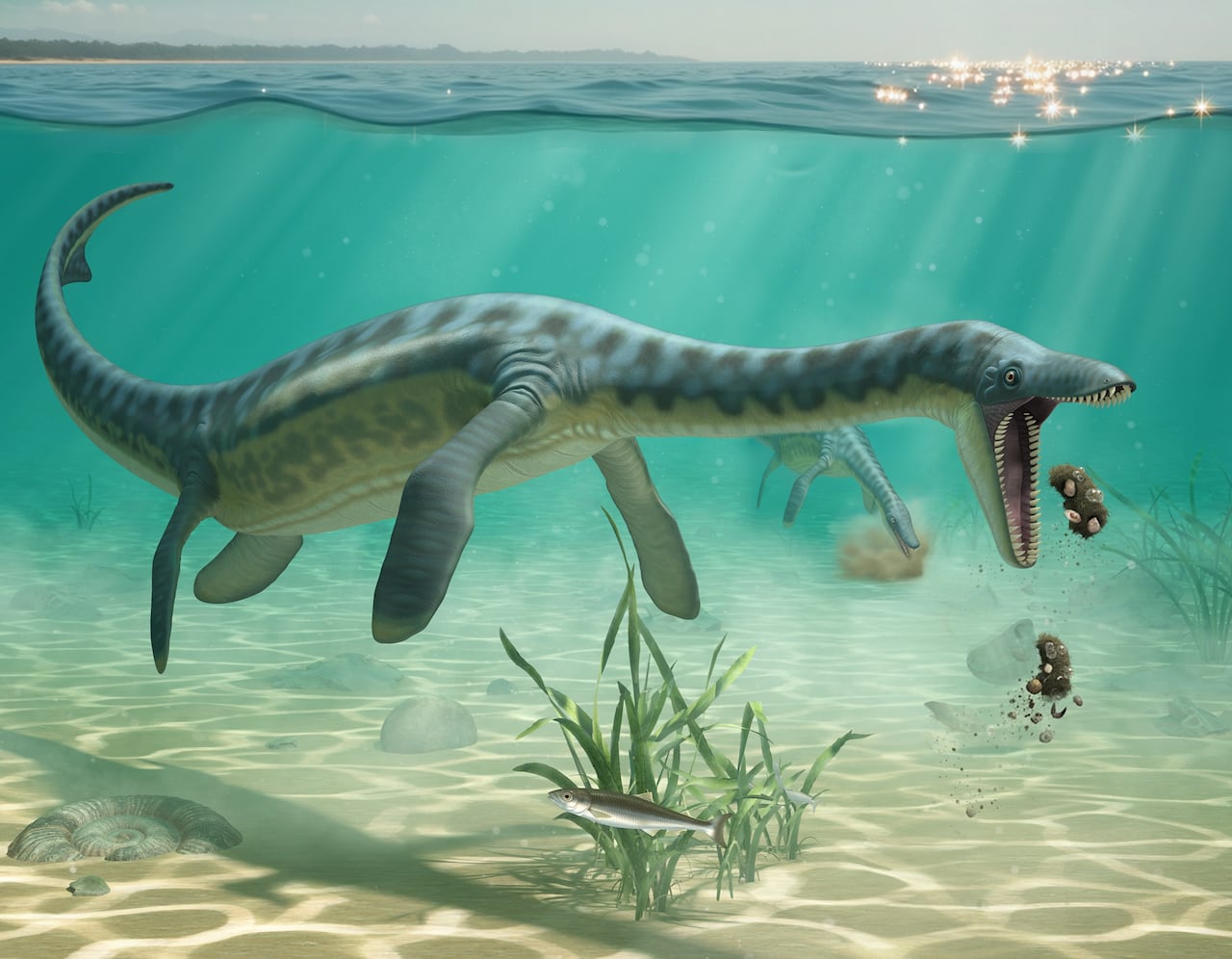
An artistic representation of plesiosaurs foraging on the seabed during the Jurassic period. (Lente Artemieff)
Introducing the Nobel Prize-winning physicist who searches for ghost particles in Antarctica
Back in 1988, Francis Halzen suggested the idea of placing a particle detector within a cubic kilometer of ice at the South Pole. It was an ambitious notion that seemed almost absurd at the time, but the right individuals rallied to turn it into reality. In 2011, following years of development and trials, the IceCube Neutrino Observatory was activated, enabling the detection of high-energy neutrinos from beyond our solar system for the very first time. Since then, findings from IceCube have revolutionized our understanding of cosmic rays, supermassive black holes, and even our own Milky Way galaxy. Recently, Francis Halzen was awarded the 2026 Nobel Prize in Physics for his contributions. We had the opportunity to interview Halzen, a physicist at the University of Wisconsin-Madison, soon after his accolade.
Last week, we also spoke with the 2026 Nobel Laureates in Medicine or Physiology, Dr. Karl Deisseroth and Peter Hegemann. You can listen to those discussions here.

Particle physicist Francis Halzen is photographed at the Rectorate of the University of Turin. He received the 2026 Nobel Prize in Physics for his work with the IceCube Neutrino Observatory. (Marco Bertorello/AFP/Getty Images)
Lessons from Jonathan, the 194-year-old tortoise, on overcoming mortality
Jonathan, an Aldabra giant tortoise, holds the Guinness World Record for being the oldest known terrestrial animal. Estimated to be at least 194 years old, he is roughly a century older than the typical lifespan of giant tortoises. A recent investigation by a team of longevity researchers examined Jonathan’s genome to uncover secrets behind his extraordinary lifespan. Led by Dr. Stephen Clark, a neuro-oncologist and chief scientist at the longevity-focused nonprofit Kallel, the study revealed that the genetic components associated with regulating gene expression in Jonathan were comparable to those of five-year-old tortoises. The findings were published in the journal Science Advances.
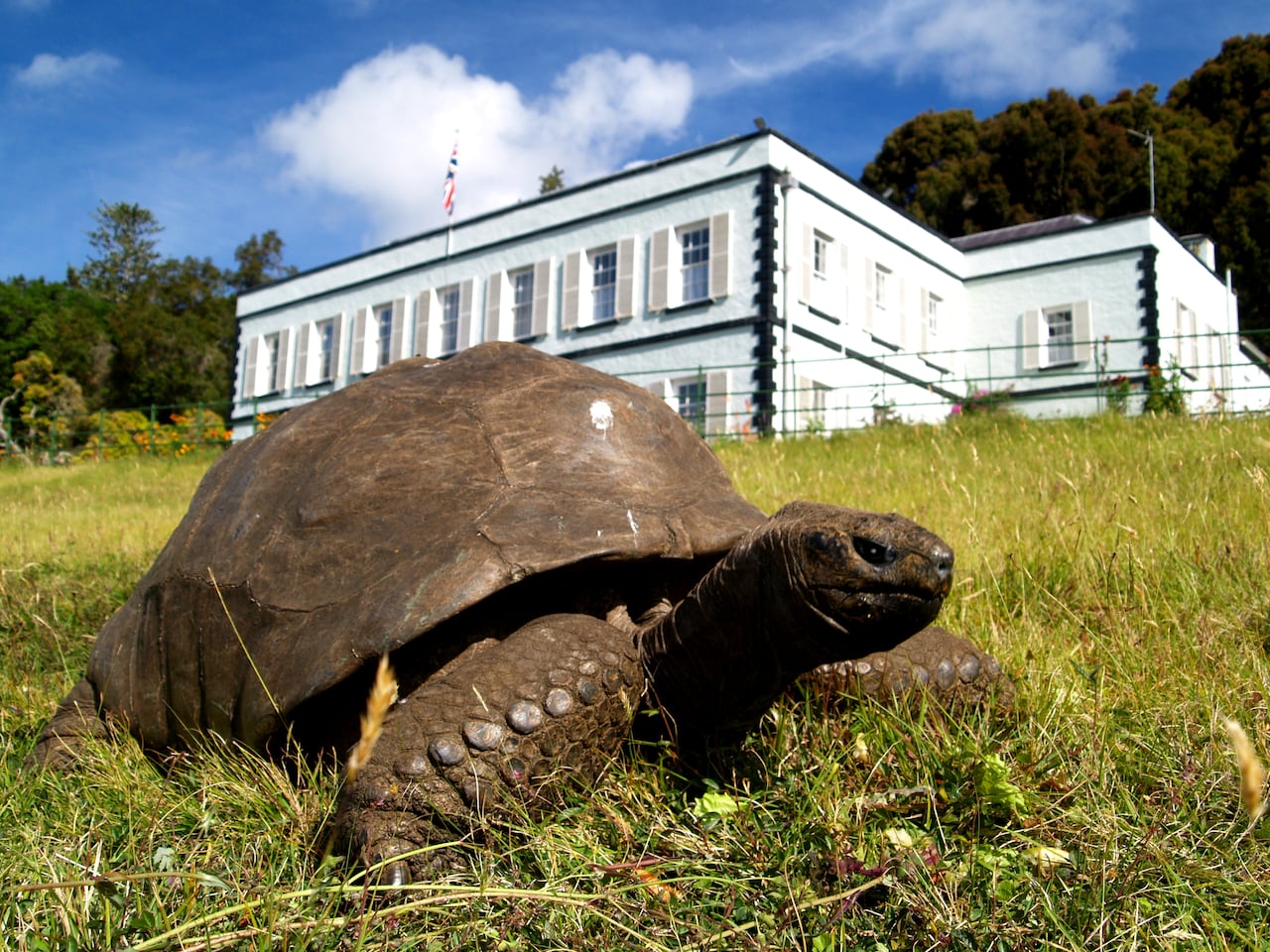
Jonathan resides on the grounds of the governor’s residence in St. Helena. (Joe Holland)
Nuclear clocks are activated — potential for the world’s most accurate timekeeping
We have officially entered the nuclear era of timekeeping. Two separate research teams have recently announced the successful creation of the first nuclear clocks, which may offer significantly greater precision than atomic clocks. Unlike atomic clocks, which gauge time by observing electron transitions between energy levels, nuclear clocks operate by elevating a neutron within the atom’s nucleus to a higher energy state. This innovation might expand the range of applications, from GPS technology to exploring dark matter, as explained by Thorsten Schumm from the Vienna University of Technology, whose findings were published in Nature.
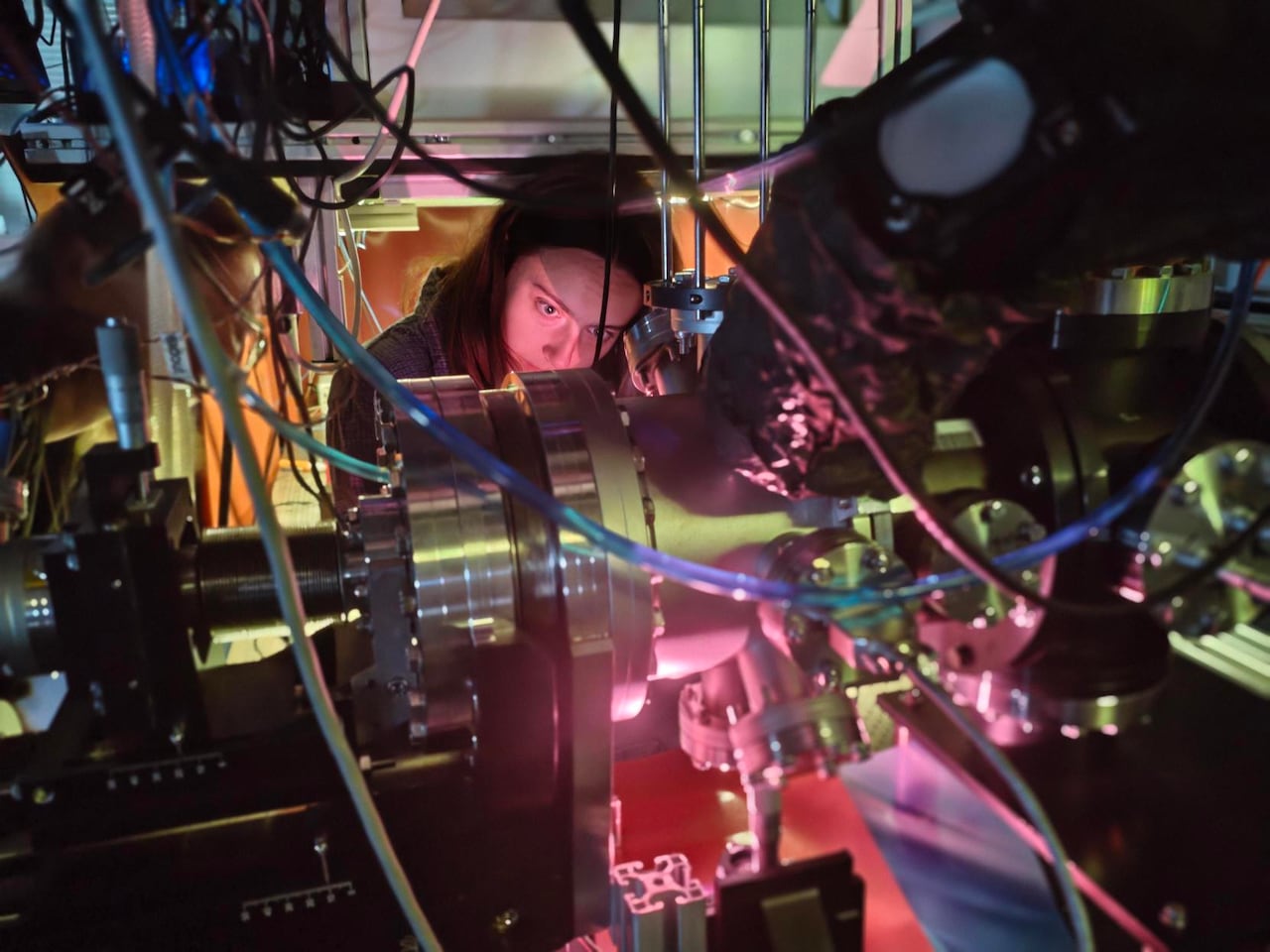
The Vienna University of Technology hosts one of the initial prototypes of a nuclear clock. Staff member Juliette Schlachet-Lépinay is seen adjusting a laser. (Thorsten Schumm/TU Wien)
Severe wildfires are a constant threat. This researcher aims to harness nature to combat them
The escalating intensity of wildfires is proving to be financially burdensome. A recent study conducted at Simon Fraser University, published in the journal Environmental Science, indicates that climate change-driven wildfires in Canada could lead to costs exceeding $2 trillion by the century’s end.
Pyrogeographer Crystal Kolden emphasizes that the most pressing challenge with wildfires is their growing threat to communities, which is why she is investigating how nature-based strategies can mitigate their impact. Having previously fought wildland fires before transitioning to academia, Kolden now serves as an Eddie Goldenberg Research Chair of Canada in Wildfire Resilience at the University of British Columbia-Okanagan.
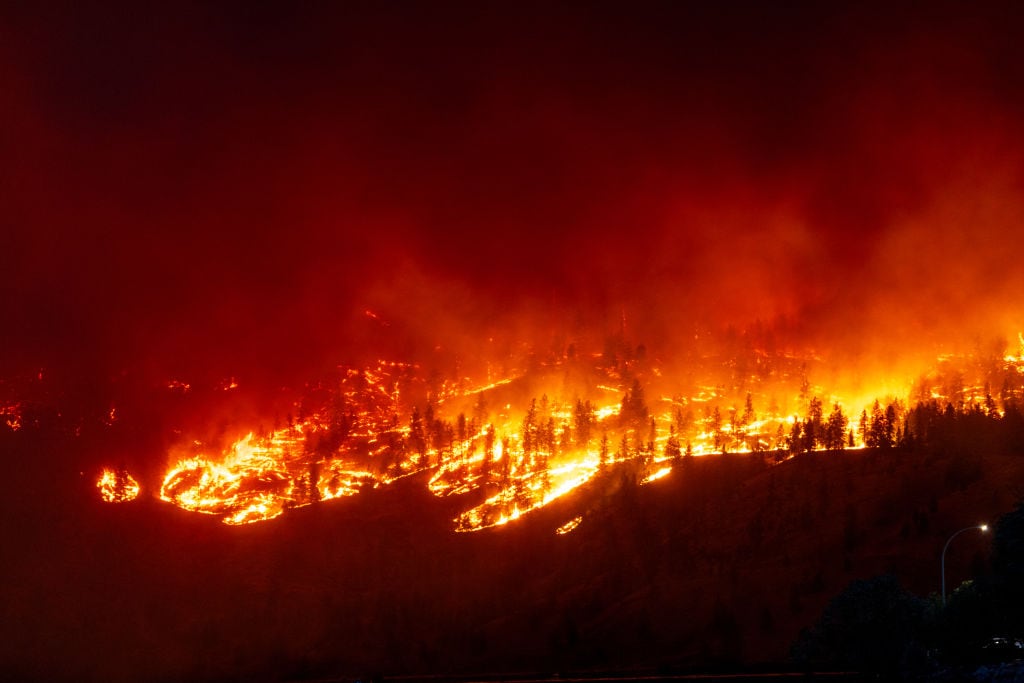
A wildfire wreaks havoc in the hills of West Kelowna, B.C., endangering local residents, on August 17, 2023. (Darren Hull/AFP/Getty Images)