
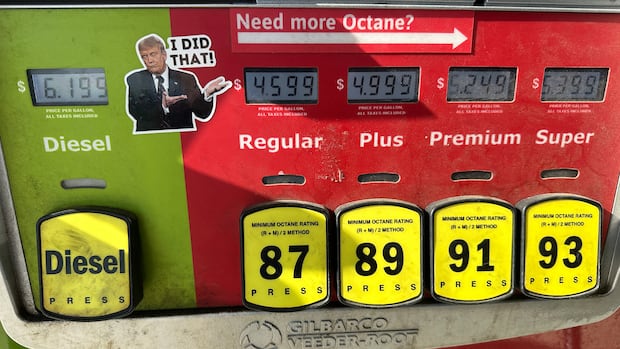

For almost a year, U.S. President Donald Trump has been attempting to convince voters not to become overly concerned about increasing costs.
Trump has dismissed worries regarding affordability, labeling them a “scam orchestrated by Democrats,” maintained that consumer prices had decreased during his presidency despite them actually rising, and consistently asserted that the prices of gasoline and diesel — which surged sharply following the onset of his conflict with Iran — would begin to decline shortly.
Various polls indicate that voters are not convinced by Trump’s message, with many giving him poor ratings regarding the cost of living.
According to Silver Bulletin, which compiles public polling data, more than 70 percent of American respondents in recent surveys disapprove of Trump’s approach to inflation.
-
U.S. ‘monitoring’ Canada for signs of midterm election interference, ambassador says
-
Video
Canada ‘absolutely not’ interfering in U.S. midterms, Joly says
The most recent inflation figures are unlikely to improve the situation for Trump and his Republican allies as they strive to retain control of the U.S. Congress in the midterm elections set for Nov. 3, less than three weeks away.
The consumer price index rose by 3.7 percent in September compared to the same month last year, primarily due to hikes in fuel and clothing prices, as reported by the U.S. Department of Labor on Wednesday.
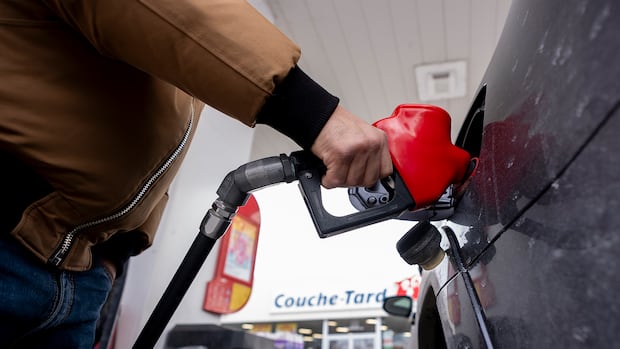
Recent polls indicate that U.S. President Donald Trump’s approval ratings have fallen to around 30 percent as the midterm elections approach, with affordability remaining a critical issue for voters.
Polling data reveals that the economy is the primary concern for voters nationwide as the midterms draw near, according to Spencer Kimball, executive director of the Emerson College Polling Center in Boston.
Delving deeper into the statistics, he notes that it is the cost of living — rather than employment or taxation — that underpins these economic worries.
‘Everyday expenses’
“It appears to be just everyday expenses accumulating, causing concern for people’s ability to manage,” Kimball shared with CBC News.
“It’s difficult to envision a resolution to gas prices or other living costs within the next three weeks,” he added.
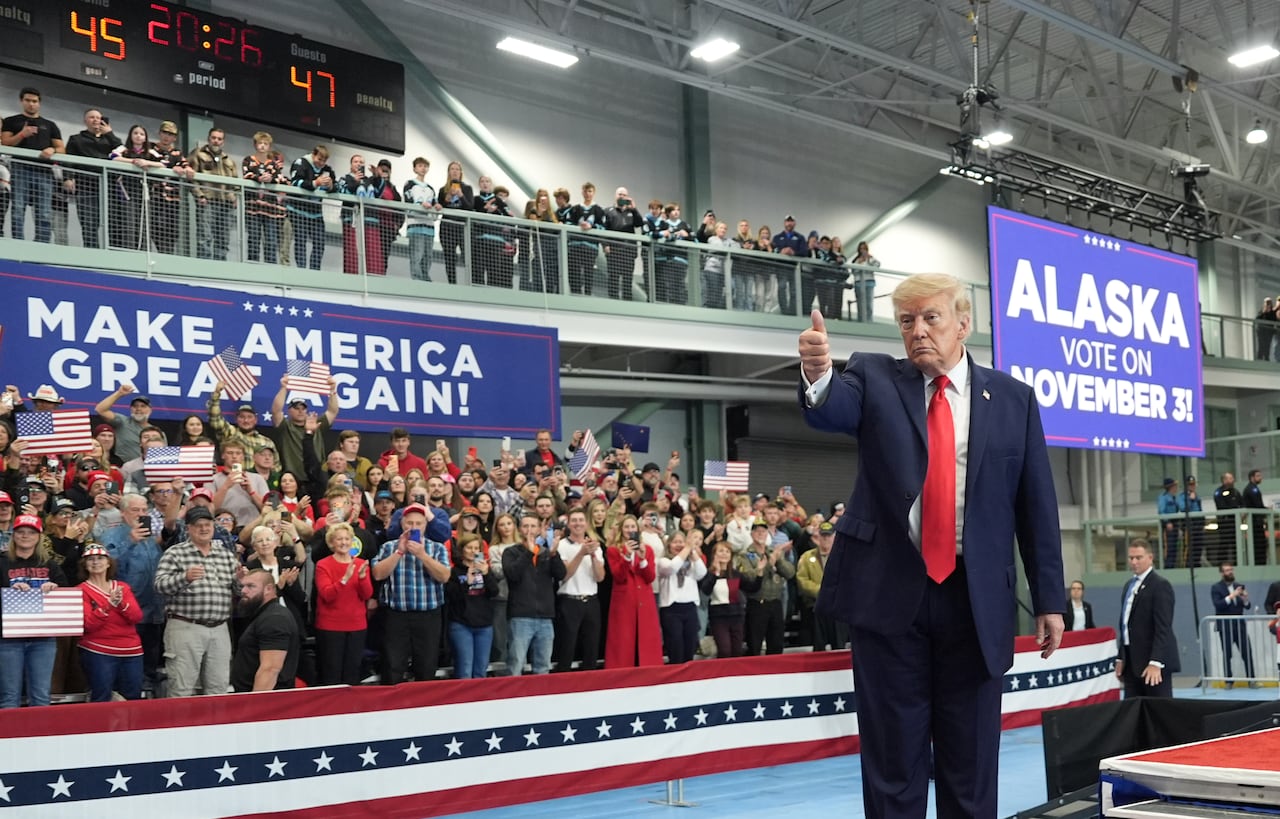
Trump traveled to Wasilla, Alaska, on Tuesday to hold a campaign event at a hockey rink. (Alex Brandon/The Associated Press)
The political ramifications can be seen through Trump’s recent engagements across the U.S. as he attempts to strengthen the prospects of Republican candidates for U.S. Senate seats.
Over the past two weeks, Trump has visited several states that were once considered reliably Republican, including Alaska, Kansas, Ohio, and Texas, all of which he secured by significant margins in the 2024 presidential election.
-
CBC Explains
Your guide to the U.S. midterms, and why they’re crucial for Donald Trump
-
The Democrats are surging as the U.S. midterms near. Here’s the data that has Trump’s Republicans spooked
Tim Malloy, a polling analyst at Quinnipiac University Poll in Hamden, Connecticut, describes Trump’s travels as “a last-minute push” to bolster Republican candidates who should have been secure but now face challenges primarily due to cost of living concerns.
“What can Republicans do at this stage? I really don’t know. The clock is ticking,” Malloy stated in an interview with CBC News.
He mentioned that gas prices are the leading issue reflected in polling, with voters attributing the responsibility to Trump.
“This is all linked to the fact that the president assured the public the conflict would be resolved swiftly,” Malloy remarked. “He has not fulfilled the promises made to Americans, and they are becoming increasingly frustrated as the midterms approach.”
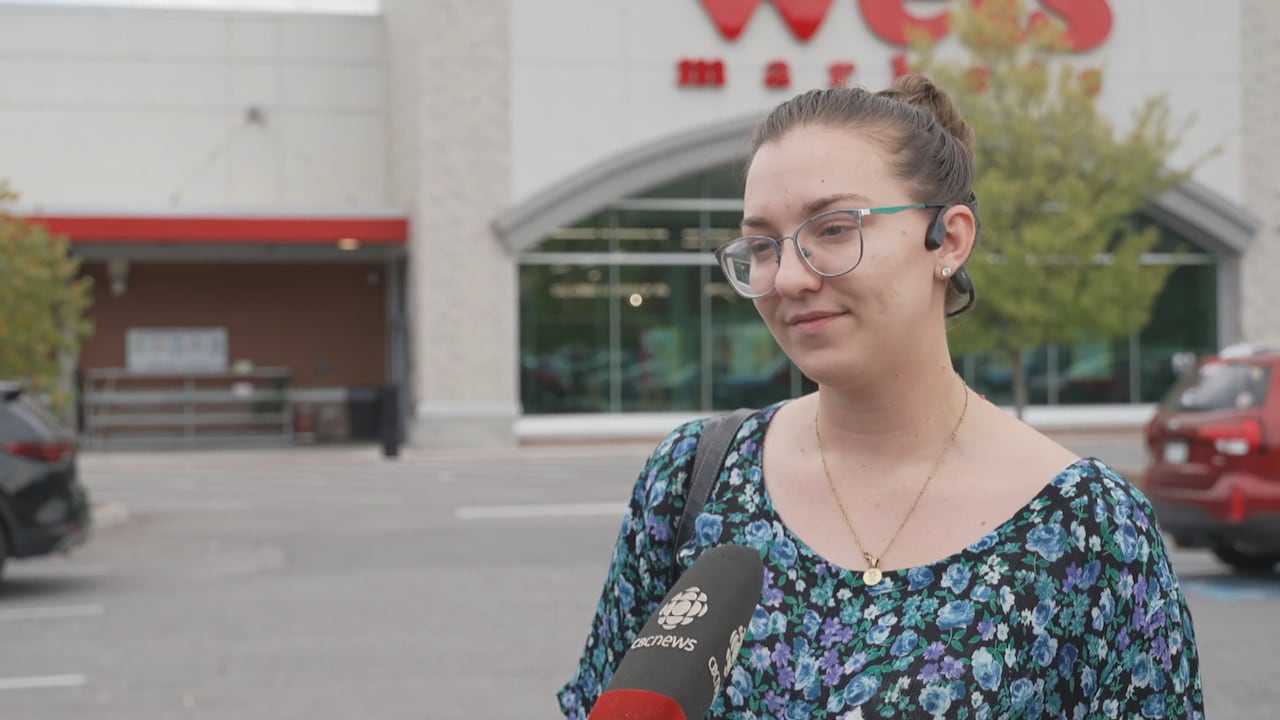
Outside a supermarket in Martinsburg, W.Va., Juliana Kaiser mentioned that she has started making her own bread, preparing soup stocks, and limiting her driving to cut costs. She indicated that escalating prices will influence her voting decisions in the upcoming U.S. midterms. (Jonathan Austin/CBC)
In the strongly Republican town of Martinsburg, W.Va., residents expressed their feelings about the financial strain during an interview with CBC News.
“It’s challenging to manage grocery shopping these days. I’ve had to depend heavily on food pantries,” stated Christalyn Levy, a cashier in a thrift shop. “I literally pay my rent and have nothing left afterward.”
-
Podcast
From Ohio to Maine, key U.S. midterm races for Canadians to watch
-
Trump offers $5,000 US to every American if Republicans win midterm elections
Nearby at a supermarket, Juliana Kaiser shared that she now attempts to save money by baking her own bread and minimizing her driving.
“I’ve certainly restricted the amount of travel we do, and I try to consolidate my shopping trips into one large loop,” she explained, noting that rising costs will influence her choices at the polls during the midterms.