
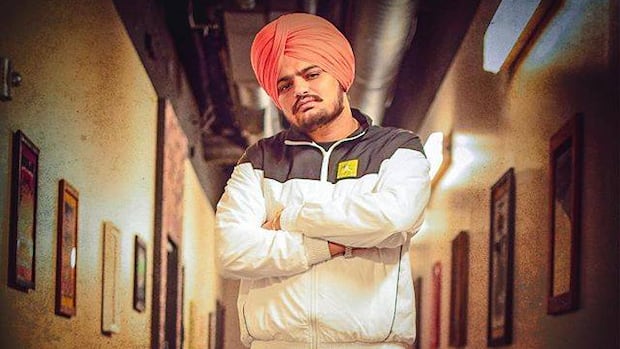

Ravinder Sidhu and his sister Nav made the journey from India to Toronto to witness the launch of Sidhu Moose Wala’s Signed to God world tour at Scotiabank Arena last Friday, each spending $550 on tickets. They anticipated an extraordinary event.
This anticipation stemmed from the fact that the Punjabi rapper, who began his music career in Canada, was tragically killed in 2022 when gunmen unleashed a barrage of bullets into the vehicle he occupied near his hometown in Northern India. A hologram stood in for Moose Wala on stage Friday, showcasing the technology’s potential to create a remarkable experience for fans at a premium cost.
“It might be futuristic,” Ravinder expressed to CBC News outside the venue prior to the performance. “We can’t put it into words. We’re incredibly excited.”
Another concertgoer, Harry Singh, mentioned he paid $270 for his ticket, in addition to airfare from California.
“If you waited until the last minute, that same ticket I purchased is now going for about $1,500,” Singh shared with CBC News shortly before the concert. “I was fortunate. I bought them early.”
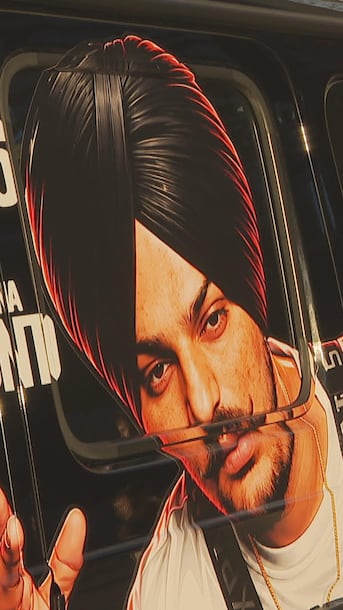
The Signed to God Hologram World Tour commenced in Toronto on Oct. 9, honoring the late Punjabi singer and songwriter Sidhu Moose Wala, who passed away in 2022. The event included various musical guests and was highlighted by a 3D hologram of the deceased artist. CBC News spoke with several fans beforehand to inquire about their ticket prices.
Online listings for some tickets to the Toronto event were priced at nearly $2,000 before taxes and additional fees. Similar pricing is expected for the upcoming Vancouver show on Thursday.
“They claim it will appear completely lifelike, but we’ll see,” Singh remarked.
In a text message following the concert, he mentioned that the performance included an unreleased track titled Rebirth, along with an appearance by the late rapper’s younger brother. In a video he captured during the concert, Singh was surrounded by a multitude of smartphones raised in the air as the crowd sang along with the hologram of Moose Wala on stage.
Moose Wala’s career flourished while he was an international student in Brampton, Ontario, which has a vibrant Punjabi diaspora community. He frequently referenced the city in his lyrics and music videos, with his 2018 song B-Town serving as a direct homage to Brampton.
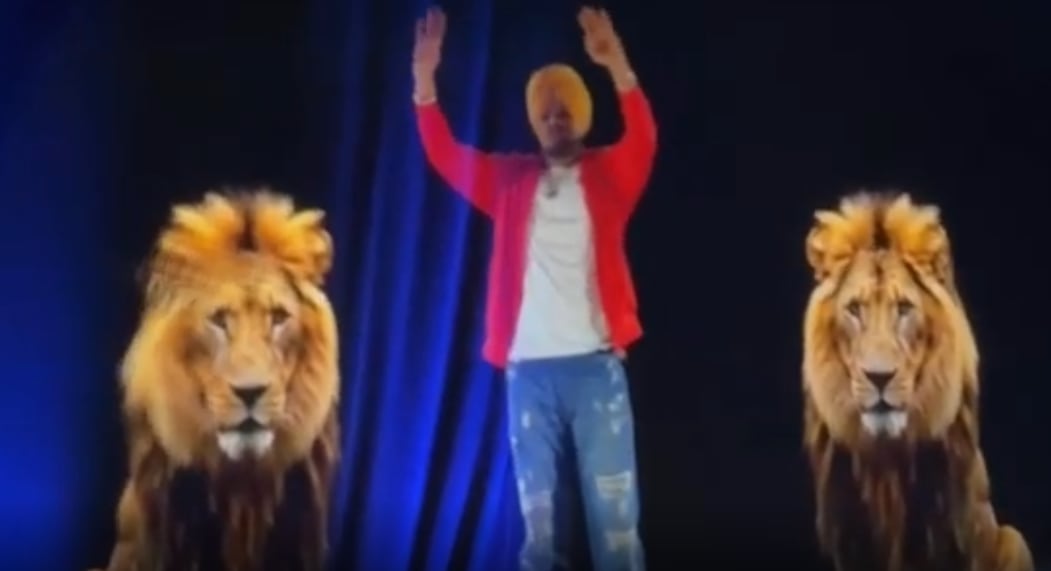
Sidhu Moose Wala, a Canadian-Punjabi rapper who was shot and killed in northern India in 2022, appeared on stage as a hologram during a concert on Friday, Oct. 9, 2026 at Toronto’s Scotiabank Arena. (Submitted by Harry Singh)
From Abba to Ozzy
Music journalist and historian Alan Cross emphasizes that the emergence of digital-first performances is genuine. He cites the commercial triumph of Abba Voyage in London, which showcases de-aged digital avatars of the Swedish pop group performing alongside a live 10-piece band.
A combination of aging rock legends, the transfer of musical catalogues to shrewd investors, and modern consumers accustomed to the digital realm are all factors contributing to the rising trend of holographic concerts.
“Not only do artists pass away, but they also require breaks. They want to enjoy time with their families,” Cross stated in an interview with CBC News.
“We are likely to witness a mass extinction event in the next five years affecting all these rock and roll icons and music legends we’ve known throughout our lives,” he predicted.
He pointed out that although their deaths are unavoidable, technology can revive them on stage, given that “we are nurturing a new generation of individuals who exist in the digital space.”
-
CBC Entertainment
Dead celebrities are being digitally resurrected — and the ethics are murky
-
Are holograms the real deal? Musicians confront questions of ethics, quality
David Nussbaum, the founder of Proto, a hologram company based in Los Angeles, believes that utilizing this technology to resurrect deceased stars “is quite sensible.”
“We are currently collaborating with Jack and Sharon Osborne to bring back Ozzy, who passed away just about a year ago,” he noted.
Nussbaum describes his company’s recreation of the Black Sabbath frontman as an “agentic AI avatar.” Not only does it encompass extensive knowledge of Osbourne’s career and public persona, but it can also engage with fans in languages the actual rock star never learned.
“If you’re Chinese and you pose that question in Chinese, he’s going to respond in Chinese. If you’re Italian, and you ask him that question in Italian, he’ll reply in Italian,” he explained.
With hundreds of dialects available, fans can interact with their favorite artists, whether alive or deceased, in their preferred language. “This is the ultimate means of connection.”
Once merely a fantasy, this technology has been in development for entertainment purposes for many years.
Reflect back to 14 years ago when another renowned rap artist killed in his prime was digitally revived for thousands of fans at the Coachella Valley Music and Arts Festival.
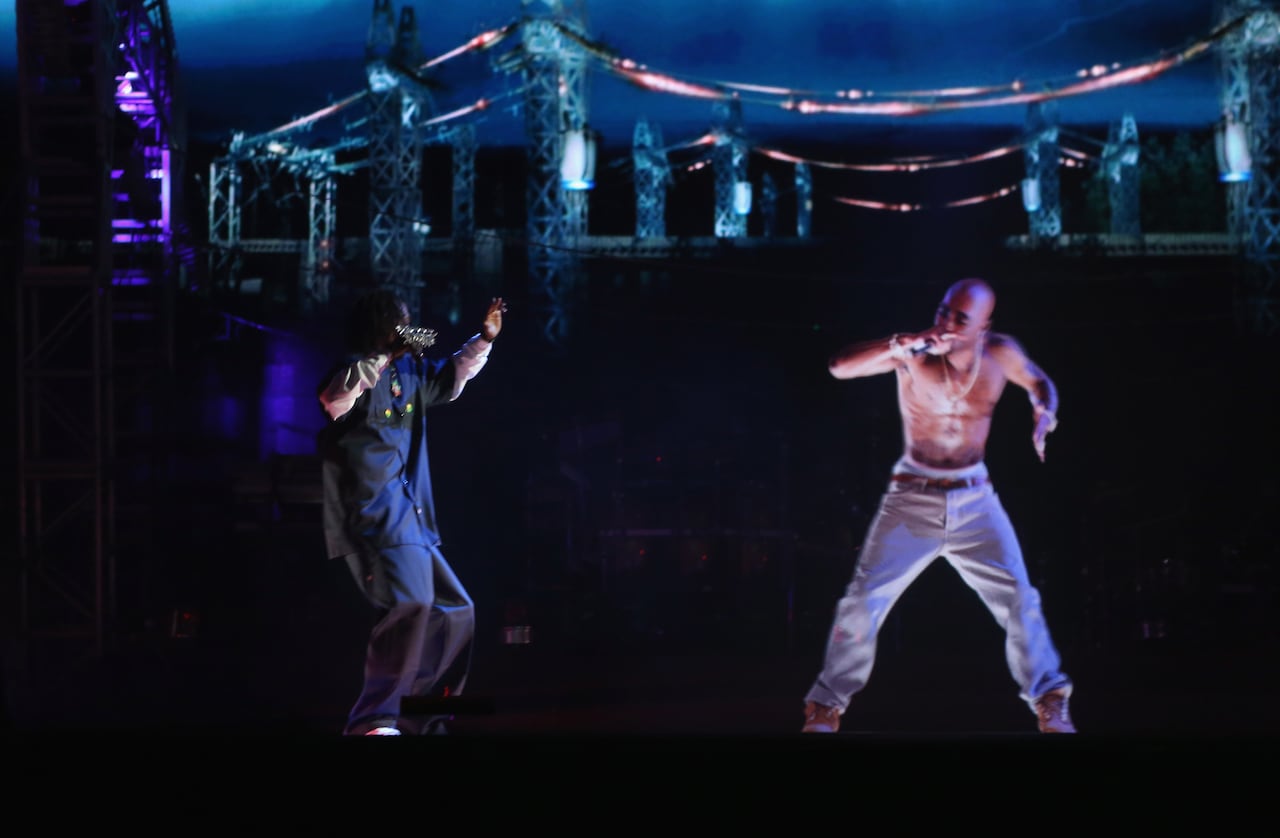
Rapper Snoop Dogg, left, and a hologram of the late rapper Tupac Shakur perform onstage during the third day of the 2012 Coachella Valley Music & Arts Festival at the Empire Polo Field in Indio, Calif. (Christopher Polk/Getty Images)
“I can’t be the only one who watched that video of Tupac Shakur at Coachella in 2012,” tech expert Carmi Levy remarked.
“It felt as if lightning struck both the entertainment and technology sectors simultaneously,” Levy commented, highlighting that the way video has been viewed hadn’t changed much for generations until that Coachella performance, which “employed some very advanced techniques for that time.”
He also mentioned that the quality of this technology has significantly improved since 2012 and continues to advance with developments in artificial intelligence.
What’s next?
Nussbaum from Proto concurs, stating that his company intends to “effortlessly integrate” realistic, AI-driven holograms into real-world settings.
Proto’s offerings include life-sized holographic displays that project photorealistic, 4K volumetric people or objects within a light box, allowing subjects to appear live or interact with AI avatars.
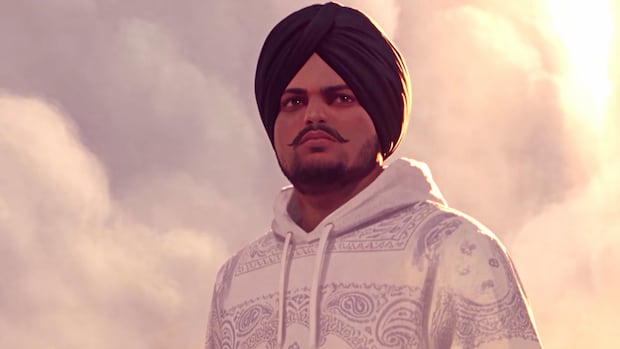
Fans of deceased Punjabi Canadian rapper Sidhu Moose Wala are spending hundreds of dollars to see him perform as a hologram, as AI-assisted improvements help make hologram concerts big business.
“In the past, hologram performances were primarily magic tricks and theatrical experiences. However, the current technology, while it’s frequently utilized in music and entertainment, is predominantly being applied in corporate settings,” he informed CBC News.
“It’s being utilized by medical professionals to connect with rural clinics, where patients struggle to access expert medical care. Educators are using it to present lectures from anywhere in the world without needing to travel by plane to a university or college. It’s being employed in museums and various other environments.”
Nussbaum’s company is also broadening the celebrity hologram experience beyond the stage.
He mentioned that Proto recently collaborated with Bon Jovi during the band’s residency at Madison Square Garden in New York to create an interactive hologram of rock star Jon Bon Jovi, enabling fans to take realistic-looking photos with it.
Levy indicated that it’s only a matter of time before consumers can experience holographic events at home.
-
Yukon First Nation uses holograms to preserve the knowledge of elders
-
How 3D holograms and AI are preserving Holocaust survivors’ stories
“Considering the typical smartphone today, which possesses photo and video features that would have amazed advanced photographers and videographers just a few years back, it’s easy to foresee that one day, advanced 3D AI capabilities — even holographic features — will ultimately be incorporated into smartphones or whatever replaces them,” he remarked.
“The industry is definitely progressing toward that future.”