
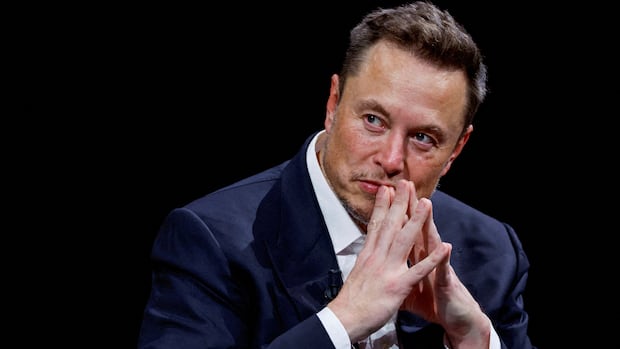

Advertisements for a documentary that critically examines the contentious billionaire Elon Musk have reportedly faced bans on both TikTok and X. However, after some initial setbacks, the ads are now appearing on YouTube and Meta’s social media platforms.
The trailer for the nearly four-hour documentary Musk was released on Thursday, just ahead of its theatrical debut on October 9.
On Friday, a report by the Hollywood Reporter revealed that the independent distributor Bleecker Street had its advertisements rejected by all four platforms when attempting to promote the film. Reportedly, YouTube, TikTok, and Meta—parent company of Facebook and Instagram—cited the ads as “political content,” while X, owned by Musk, did not provide a statement.
Following a wave of online criticism, YouTube announced on Saturday that the ads for Musk are now live on its platform.
“YouTube stated through its updates account on X, “When submitted as an ad, it was temporarily restricted by our system. After review, the ad has been approved to run.”
A Meta spokesperson informed CBC News on Monday that the ads “were mistakenly rejected and have since been restored,” without providing further details.
Bleecker Street, TikTok, and X did not respond to requests for comments.
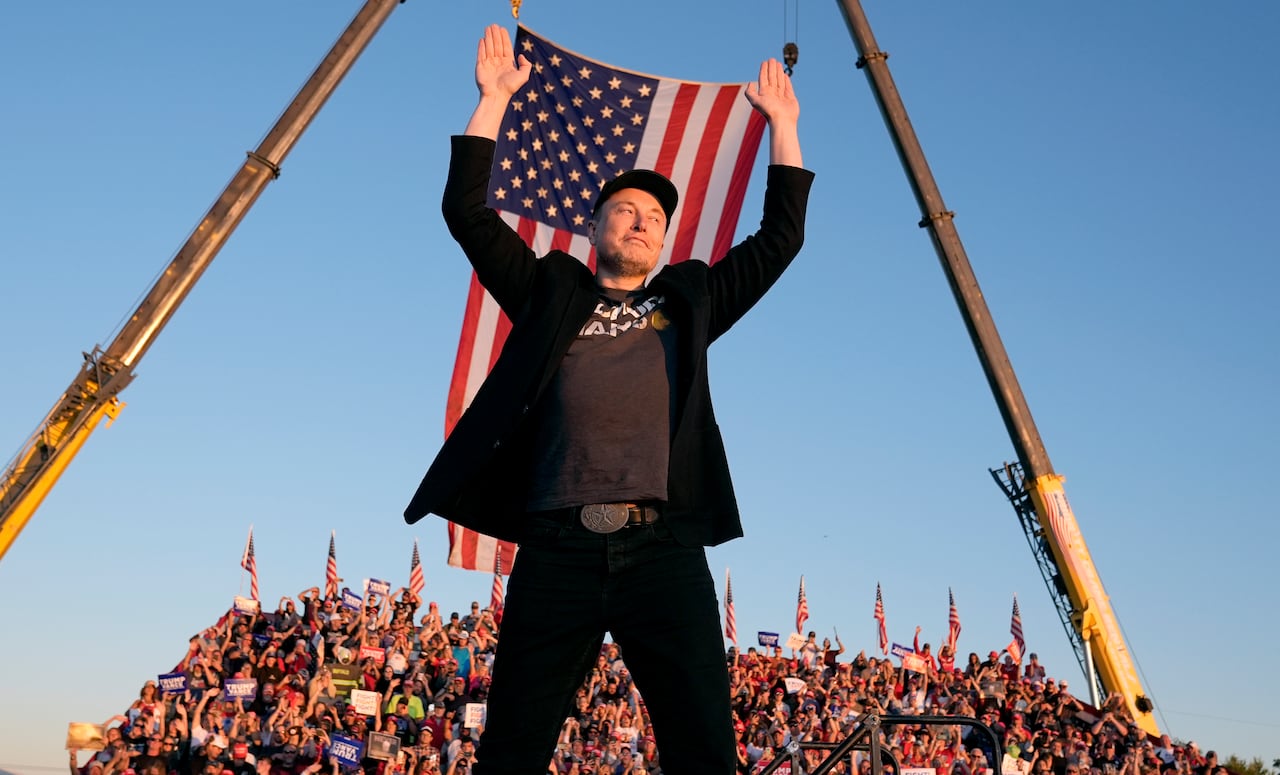
Elon Musk is depicted in a frame from Alex Gibney’s documentary Musk. (The Canadian Press/Handout – TIFF)
TikTok does not allow paid political advertisements, and Meta enforces restrictions in certain areas, such as the European Union. YouTube permits political ads with necessary transparency disclosures, and X allows them in regions like the U.S.
Musk’s political visibility increased significantly when he supported U.S. President Donald Trump’s re-election bid in 2024 and subsequently joined his administration as the leader of the budget-cutting Department of Government Efficiency. Although he has since departed from the administration, he continues to be a polarizing and vocal figure.
While the trailer for Musk contains short clips of his campaign trail appearances, it remains uncertain how this qualifies as the type of campaign advertisements that would be subject to the platforms’ restrictions.
One aspect of the film explores how the world’s wealthiest individual reportedly seeks to influence online discussions—delving into his acquisition of Twitter, now X, and allegations that Musk, despite advocating for free speech, may have used his Starlink satellites to inappropriately sway the 2024 election.
‘Censorious platforms’
After YouTube and Meta confirmed the approval of the ads, director Alex Gibney remarked that “public pressure had an effect.”
“The censorious platforms backed down,” he stated on Saturday on X.
Gibney later shared a 2022 quote from a Musk press release regarding his Twitter acquisition, in which he proclaimed, “free speech is the foundation of a functioning democracy, and Twitter represents the digital town square where crucial issues affecting humanity are debated.”
“Will X permit ads for the trailer of my film ‘Musk,’ which critiques the self-proclaimed ‘free-speech absolutist?'” he questioned.
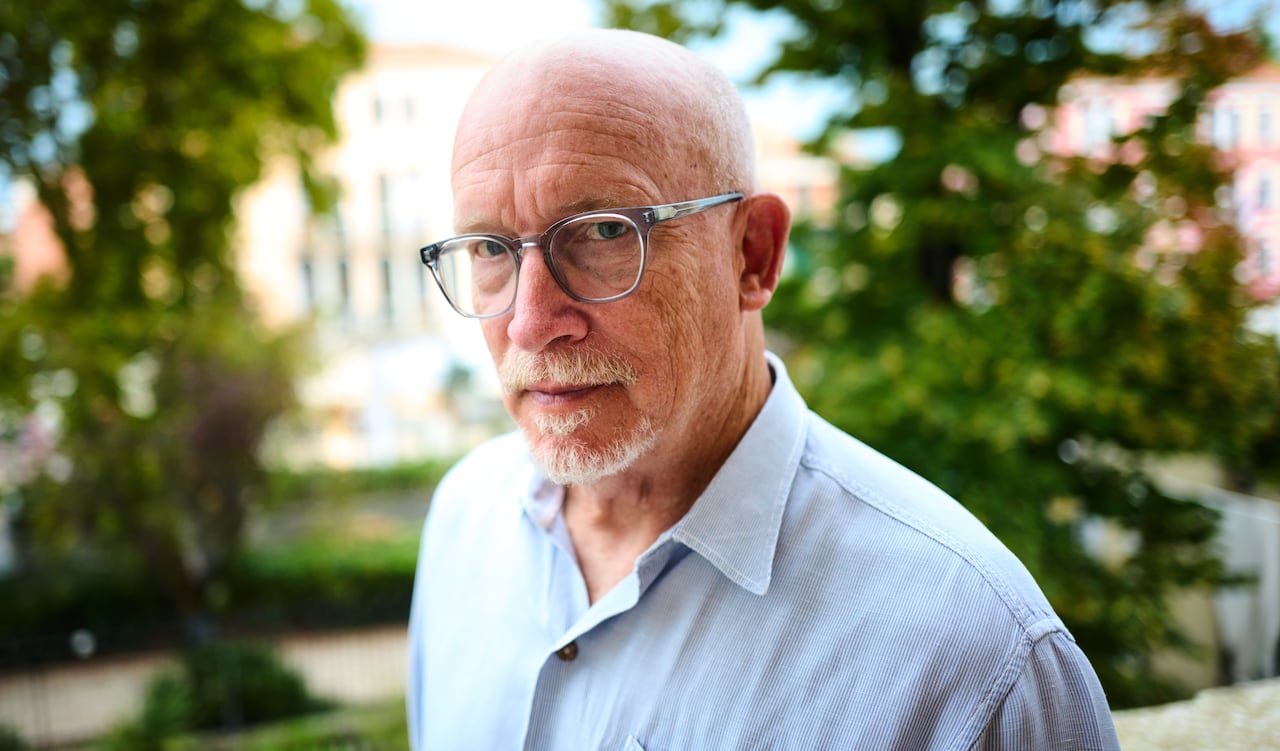
Gibney poses for a photograph during the 83rd Venice Film Festival in Venice, Italy, on September 9. (Scott A Garfitt/Invision/The Associated Press)
Since Gibney declared his plans to create the film in 2023, Musk has consistently referred to it as a “hit piece.”
He labeled Gibney as “a horrible human” and “a bitter old man who lost the plot long ago” on X following the film’s premiere at the Venice Film Festival earlier this month. He has also allegedly threatened legal action against the production over its implications regarding the Starlink satellites.
The documentary has received considerable acclaim from critics.
-
Justice Department under Trump asks EU to scrap $137M US fine for Elon Musk’s X
-
Elon Musk calls documentary about him a ‘hit piece’ after buzzy debut
-
Tesla being investigated after car drives into home, killing 76-year-old woman
Vulture, the arts section of New York magazine, described it as a “damning” representation of Musk that left the reviewer “terrified at how much money and power he’s amassed,” while the publication Variety termed it a “harsh portrayal of technocratic brilliance, power hunger, and delusional thinking.”
Musk is not the only tech magnate under scrutiny this year. Aaron Sorkin’s dramatized The Social Reckoning, focusing on Mark Zuckerberg as a sequel to the Sorkin-written 2010 film The Social Network, is set to be released by Sony next month.
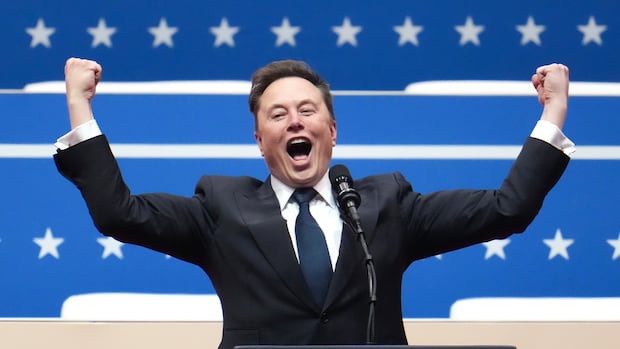
Elon Musk’s SpaceX has revealed plans to go public with what is expected to be the largest initial public offering in Wall Street history. As the majority shareholder, the world’s richest man could, through the offering, become the first-ever trillionaire.