
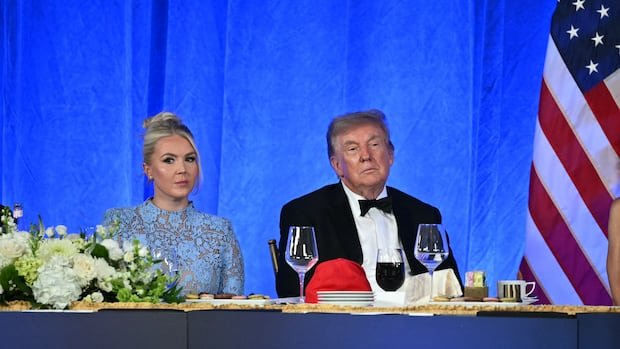

White House press secretary Karoline Leavitt is set to depart from her position at the end of this month, announced U.S. President Donald Trump on Wednesday, which will leave the president without one of his key advisers as the midterm elections in November approach. Leavitt will continue to contribute as an external communications adviser and party operative, helping shape the future direction of Trump’s “Make America Great Again” movement, as confirmed in statements by both Leavitt and Trump.
In a recent social media post, the 28-year-old Leavitt expressed her intention to dedicate more time to her young children. Having welcomed her second child, a daughter, in May and just returned from maternity leave, she emphasized her desire to prioritize family commitments.
Trump praised Leavitt’s significant contributions, citing her leadership and unwavering dedication to advocating for Justice, Liberty, and Freedom since 2018, particularly during the Historic Re-Election Campaign of 2024. Trump acknowledged Leavitt as one of the most exceptional White House Press Secretaries in the history of the office.
Reflecting on her tenure at the White House, Leavitt described it as “the honor and adventure of a lifetime.” She initially joined Trump’s 2024 campaign and later transitioned to the role of White House press secretary, becoming the youngest individual appointed to this position.
No immediate successor to Leavitt has been announced by Trump for this prominent role.
Former principal deputy press secretary to Trump, Harrison Fields, lauded Leavitt’s unmatched ability to effectively communicate the president’s message and navigate media interactions with finesse and success that resonated with the audience, especially Trump himself.
During her term, Leavitt, alongside White House communications director Steven Cheung, orchestrated a notable shift in the administration’s approach to media engagement, a move that garnered both praise from Trump’s allies and criticism from advocates of press freedom. The administration deviated from the traditional practice established by the independent White House Correspondents’ Association, selectively granting access to journalists chosen by the administration.
Furthermore, the Trump administration introduced a dedicated “new media” seat in the press briefing room, offering enhanced coverage opportunities to podcasts, newsletters, and emerging digital platforms, a move viewed as a response to the evolving media landscape by some and as a potential tool for rewarding favorable coverage by others.