
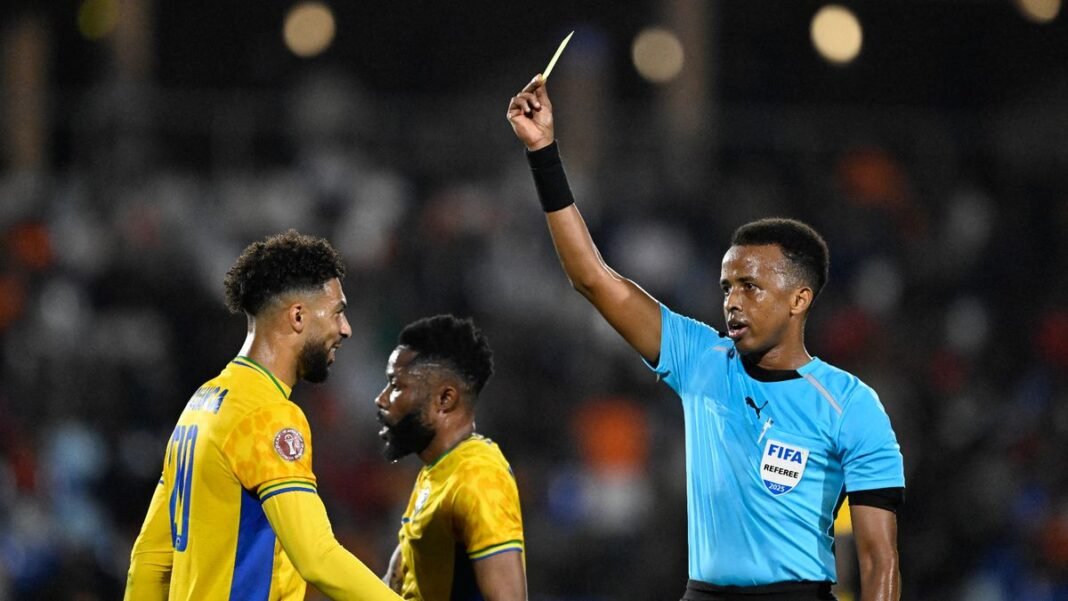

There has been a significant uproar following the extensive 11-hour immigration interrogation of an African World Cup referee, resulting in his prohibition from entering the United States. Somali referee Omar Artan faced humiliation when he was denied entry at Miami Airport, sparking outrage among politicians and football experts. After enduring an 11-hour interrogation, he was confined in a holding area for several hours before being deported to Turkey.
The incident drew sharp criticism, with former England star Ian Wright condemning the tournament as “the World Cup of chaos.” Wright highlighted various instances of individuals, including fans, players, officials, and journalists, facing entry denials. This situation reflects the turmoil surrounding the World Cup, exacerbated by reports of ICE agents conducting immigration enforcement during the event.
Amidst the controversy, the Prime Minister of Somalia expressed disappointment over Artan’s exclusion, emphasizing his talent and integrity as a referee. Despite having the necessary documentation, Artan lamented his disappointment at being barred from the World Cup, attributing the decision to potential issues with his nationality.
The lack of official explanation for Artan’s deportation has raised questions, especially considering Somalia’s inclusion in a travel ban list under the previous administration. While FIFA confirmed Artan’s exclusion from the tournament, citing host country immigration processes, the incident has sparked broader discussions on discrimination and fairness in sports.
Critics, including football legend Paul Canoville, have called for an end to such discriminatory practices, highlighting the negative impact on the spirit of the game. The unfolding events have led to concerns about the treatment of individuals based on nationality, echoing the sentiments of Martin Luther King Jr. in the face of 21st-century challenges.