
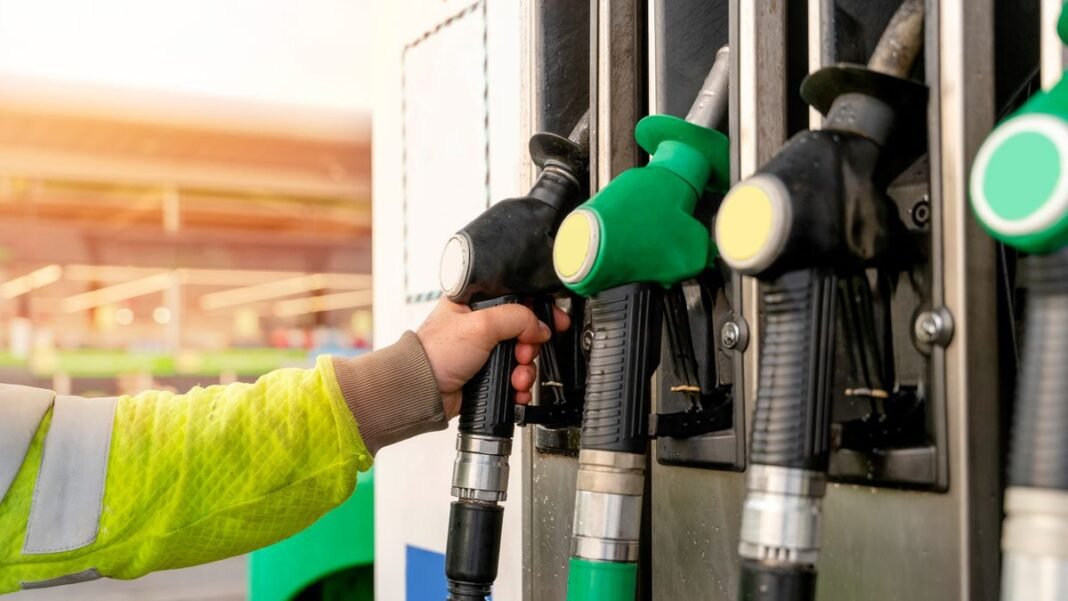

UK inflation has surged due to the recent conflict in Iran, causing a notable increase in petrol and diesel prices for drivers across the country. The latest data from the Office for National Statistics (ONS) reveals that the Consumer Prices Index (CPI) inflation rose to 3.3% in March, up from 3% in the previous month.
This uptick in inflation reflects the first impact of the Middle East conflict on consumer prices. The ongoing war has disrupted oil supplies, resulting in a significant spike in oil prices. Consequently, petrol and diesel costs have soared in recent weeks, with the average prices at UK forecourts standing at 157.57p per litre for petrol and 190.13p per litre for diesel.
Although there has been a slight decrease from the peak prices, which were 158.31p for petrol and 191.54p for diesel, the current costs remain substantially higher than pre-war levels. Grant Fitzner, the chief economist at the ONS, attributed the March inflation rise not only to fuel prices but also to increased airfares influenced by rising jet fuel costs and escalating food prices.
The inflation figure aligns with economists’ forecasts and represents the highest rate since December of the previous year. The Bank of England anticipates inflation could climb to as high as 3.5% by the third quarter of this year, surpassing its target of 2%. Additionally, energy prices are expected to rise in the upcoming months following an increase in wholesale gas prices.
Chancellor Rachel Reeves emphasized the impact of the Iran crisis on household and business expenses, highlighting the government’s efforts to mitigate rising costs. Measures such as reducing energy bills, freezing rail fares, and protecting motorists through a fuel duty freeze have been implemented to shield the public from undue price hikes.
Inflation serves as a gauge for tracking the rate at which prices of goods and services escalate over time. The Bank of England base rate currently stands at 3.75%, influencing borrowing costs and playing a pivotal role in managing inflation levels. By adjusting interest rates, the Bank aims to influence consumer spending and maintain price stability.
As inflation continues to rise amid global uncertainties, policymakers face the challenge of balancing economic stability with consumer affordability. The evolving economic landscape underscores the importance of proactive measures to safeguard households and businesses from the financial repercussions of geopolitical tensions.