
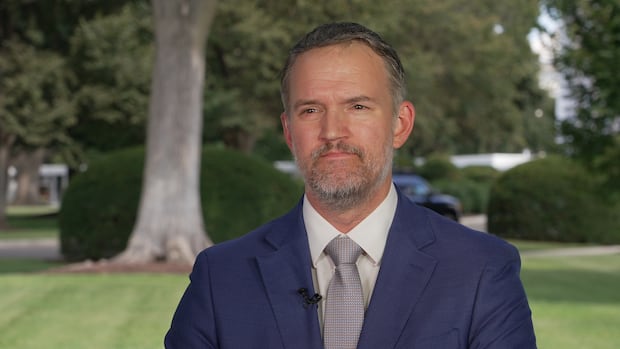

On Wednesday, the leading trade negotiator of the Trump administration countered Ottawa’s claim that last-minute U.S. demands caused the collapse of a trade agreement between the two nations. He attributed Canada’s decision to withdraw from the negotiations to concerns regarding the “implementation” of the deal.
In a conversation with CBC News, U.S. Trade Representative Jamieson Greer revealed that when Canada-U.S. Trade Minister Dominic LeBlanc returned from Ottawa after a tentative agreement was reached on August 18, the Canadian team had additional requests.
Greer remarked to CBC News chief political correspondent Rosemary Barton that they had come to what he previously described as “the best deal available to any country on the planet” concerning Canada.
“Upon [LeBlanc’s] return, they presented further perspectives and requests that were beyond what the United States could accommodate,” Greer stated.
The ambassador indicated uncertainty about when both nations might reconvene for negotiations. He noted that he and LeBlanc had not been in communication as of Wednesday.
“At this moment, I would say there are no open channels,” Greer explained. “I maintain a good rapport with Minister LeBlanc, but right now, it seems the Canadian side is contemplating their next steps.”
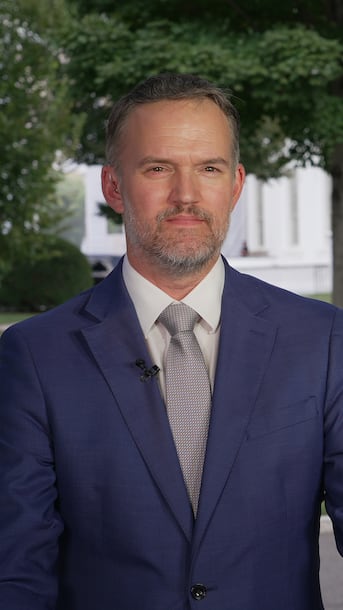
In a Canadian exclusive interview, U.S. Trade Representative Jamieson Greer told CBC News chief political correspondent Rosemary Barton that the path to resume trade negotiations is unclear.
Greer’s comments, as the cabinet member overseeing the president’s tariff policy, highlight the differing perspectives on who is responsible for the collapse in talks. Prime Minister Mark Carney was the first to suggest that last-minute alterations derailed the agreement, asserting that it was the U.S. that attempted to impose “unfair, uneconomic” changes that jeopardized the reliability of any potential agreement.
The White House has stated that Canada rejected a proposal that included reductions to existing tariffs on steel, aluminum, lumber, and Canadian-manufactured vehicles.
Regarding retaliation, Greer did not dismiss the possibility of a reciprocal response from the U.S. after Canada announced dollar-for-dollar counter-tariffs on numerous American products set to take effect after Labour Day. These tariffs are in retaliation to the latest U.S. tariffs, which commenced last weekend.
“If Canada opts for further retaliation, we certainly will not passively accept that. Our position is clear: ‘Do not retaliate,'” he stated outside the White House. “I understand the sentiments in Canada and the perspectives people hold. It’s regrettable, but it’s the reality we face.”
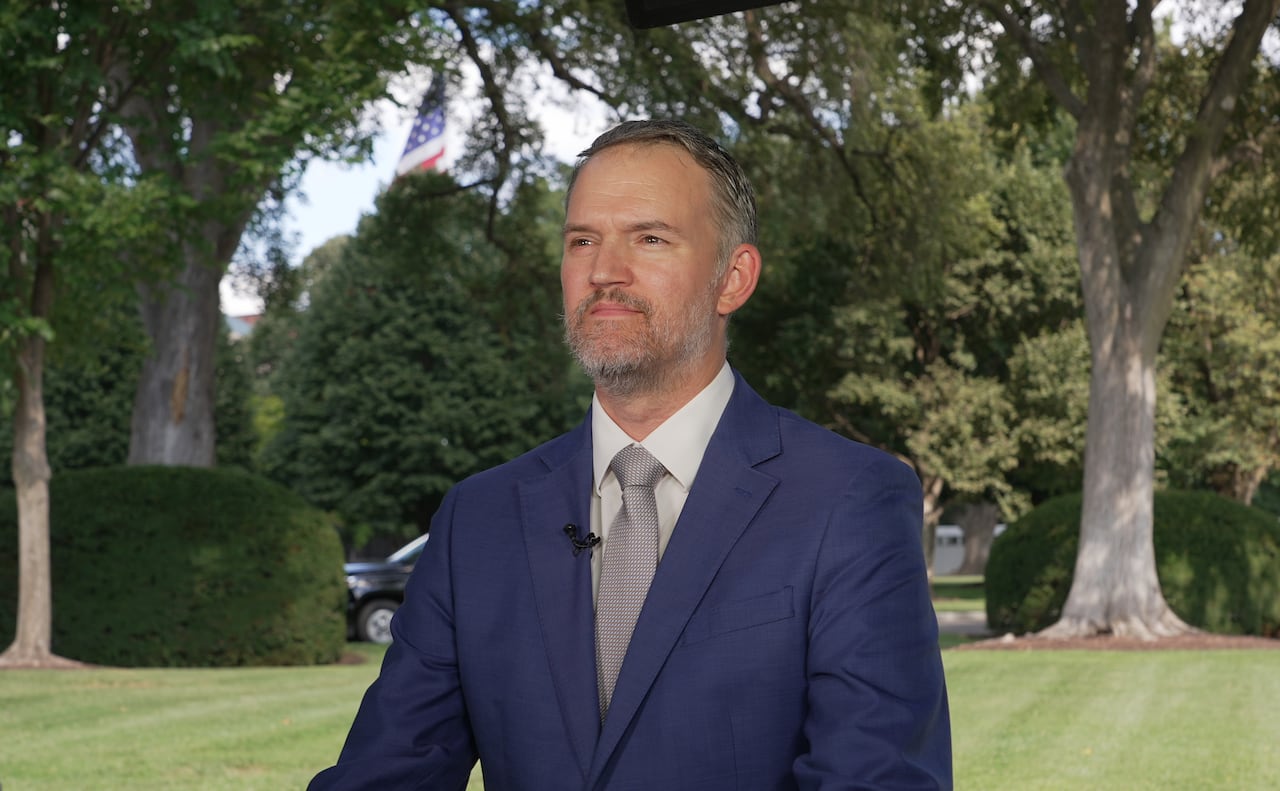
Greer outside the White House on Wednesday. (Jonathan Austin/CBC)
During a Saturday news conference, Carney indicated that the agreement proposed by the U.S. would have encroached upon Canada’s ability to forge trade agreements with other nations, jeopardized vital sectors, and undermined protections for the French language.
“A good deal [turned into] something we could not accept,” the prime minister remarked.
Neither side has made the text of the draft agreement public, and both LeBlanc and Greer have referred to confidentiality when asked about broader details.
Greer mentioned that the White House was ready to reduce the tariff on the majority of steel imported from Canada from 50 percent to 25 percent, which would have been subject to a tariff-rate quota system, meaning only a fraction of steel imports would qualify for that lower rate.
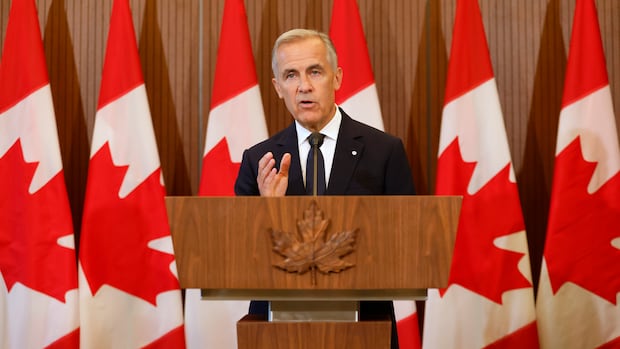
Prime Minister Mark Carney explained why the government chose not to sign a trade deal with American counterparts as U.S. President Donald Trump’s 50 per cent tariffs on almost $30 billion of Canadian goods are in effect. ‘We were not prepared to compromise Canada’s sovereignty or undermine our key industries,’ Carney said.
For vehicles manufactured in Canada, Greer indicated the tariff would have decreased from 25 percent to 15 percent, with a “possibility of dropping to seven percent.”
Sources informed CBC News that the auto tariff could have been further reduced by increasing U.S. content, potentially bringing the effective rate down to 7.5 percent. However, the Canadian side believed this offer was inadequate, according to sources.
Greer refuted claims that the White House sought to influence Canada’s trade agreements with other nations. He stated that the administration was focused on enhancing cooperation, referencing the Fortress North America concept prominently suggested by Ontario Premier Doug Ford.
“We never had any text of that nature,” Greer asserted on Wednesday. “We discussed coordinating on a bilateral level, rather than imposing conditions on Canada. It was more about dialogue,” he added.
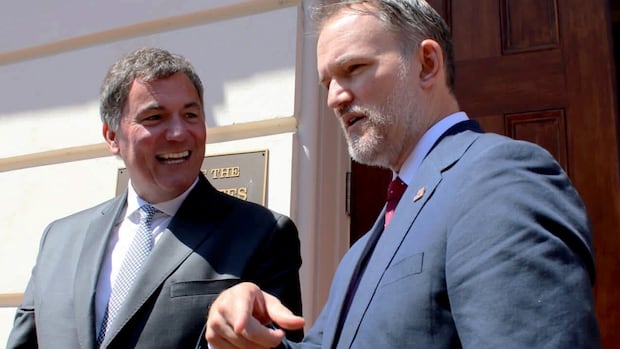
In a Canadian exclusive interview with CBC News chief political correspondent Rosemary Barton, U.S. Trade Representative Jamieson Greer said there isn’t currently any open channels of communication between him and Trade Minister Dominic LeBlanc.
Concerning the discoverability of French content on streaming platforms, Greer noted that this issue had been “highlighted” by the White House, but it was not seen as a dealbreaker.
“President Trump, myself, and the U.S. government recognize the significance and sensitivity surrounding the French language in Canada, especially in Quebec and the Maritimes. We are aware that this matter is very delicate and important,” he addressed French language protections.
“We would never let a beneficial deal slip away over an issue like this. This is not something we would push hard on or set as a stringent condition. It is far from a red line.”
The recent developments and escalating political tensions from both sides represent a stark contrast to the conciliatory atmosphere of the previous week, when the two countries seemed closer than ever to reaching an agreement following months of strain.
Last week, Greer and his Canadian counterpart appeared together in front of cameras, confidently stating that they only needed to finalize minor details to complete the agreement. That evening, U.S. President Donald Trump extended tariff deadlines to allow negotiators an additional three days to continue discussions.
However, by Friday, the potential agreement had unraveled. When questioned about last-minute demands in an interview with CNN this week, Trump remarked: “That sounds like me.”
Greer clarified on Wednesday that the president did not intervene during the final days of negotiations, describing the comment as “off the cuff.”
This week, Carney stated that Canada would resume negotiations when the U.S. side approaches with “the right attitude.” LeBlanc mentioned to CBC News that he and his team will not “hurry back to Washington” until they see a deal that is “economically viable.”
The prime minister expressed that the government would focus its efforts on building trade relationships with global partners and strengthening the domestic economy, thereby reducing Canada’s dependence on the United States.
Carney emphasized that he would prefer to face the hardships of a prolonged trade conflict rather than accept the terms suggested by the White House.
“The most significant advantages of this transformation will take time to materialize,” he noted.