
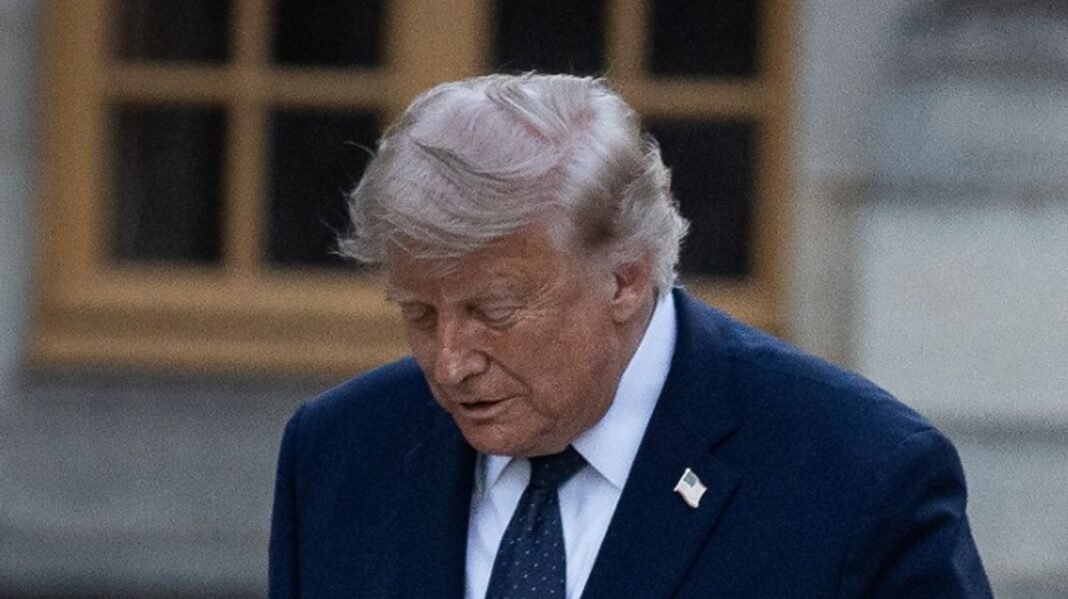

President Donald Trump’s recent agreement with Iran has quickly gained the unflattering moniker of “The Surrender Bill.” This deal is facing widespread criticism from various corners, including Republicans, Democrats, Israel, and a significant portion of the global community. The agreement, signed by Trump himself at Versailles, has stirred controversy due to its perceived concessions to Iran, including the lifting of sanctions, the release of frozen assets, and the establishment of a reconstruction fund.
While the full text of the agreement has not been disclosed publicly yet, reports indicate that it includes Iran’s commitment to not pursue nuclear weapons, a provision similar to a previous deal that Trump had terminated in 2018. However, critics argue that Iran stands to benefit significantly from the terms, with concerns raised about the implications for regional stability and security.
The agreement has sparked outrage among some members of Congress, with talks of potential impeachment proceedings if Democrats secure significant wins in the upcoming Midterm elections. Trump’s handling of the deal has raised doubts among both allies and opponents, with uncertainties lingering over the long-term consequences of the agreement.
In a press conference following the signing, Trump defended the deal, emphasizing the need for diplomatic solutions and highlighting the potential risks of continued hostilities with Iran. However, the agreement’s perceived shortcomings and potential ramifications have intensified political tensions and raised questions about the administration’s foreign policy approach.
As discussions unfold and reactions pour in, the implications of this agreement on domestic and international affairs remain a topic of heated debate, with the specter of further political turmoil looming on the horizon.