

In the last 24 hours, tensions have heightened in the Middle East, leading to increased strain between Israel and Washington, as previously anticipated.
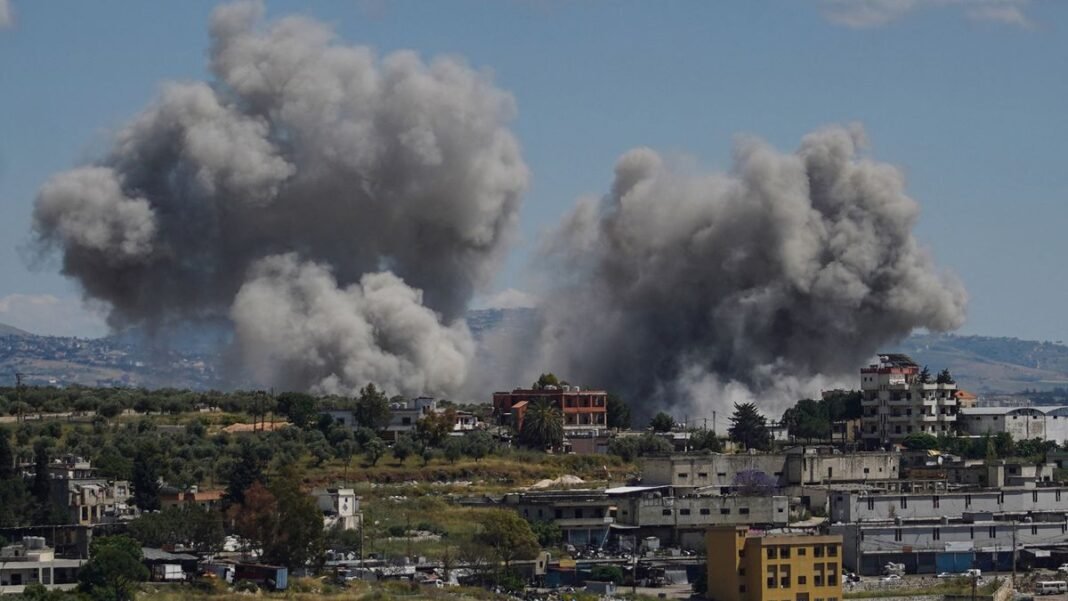
Against a backdrop of intense Hezbollah-Israeli forces clashes and US strikes on southern Iran, Tehran’s forces have retaliated. Despite both conflicts being technically under a ceasefire, the region remains volatile, with Trump aiming to portray himself as a peacemaker rather than an instigator of turmoil.
Sources indicate that Washington is growing more cautious of Israeli warnings against easing sanctions and releasing frozen assets to Tehran. Israeli diplomats have been actively briefing US officials that any financial relief could end up funding Hezbollah. Trump’s advisors are mindful of these warnings, as they recognize that any resolution to the Iran conflict hinges on economic measures.
One source revealed, “Trump’s team is fully aware of Israel’s apprehensions about Hezbollah benefiting from the money, which could hinder the negotiations. However, they are increasingly hesitant to take these concerns at face value due to Trump’s past susceptibility to such arguments.”
The pressure is mounting on Trump to find a resolution to the Iran conflict promptly. Amidst this, there is a growing debate in Washington as Trump advocates for the adoption of the Abraham Accords across the Middle East.
The Abraham Accords are pivotal agreements orchestrated by the US to normalize relations between Israel and Arab nations. This push for normalization comes at a time when negotiators are grappling with Tehran’s demands to ease tensions in the Strait of Hormuz, presenting Trump with challenging choices.
Each potential solution to the Iran crisis, including sanctions relief and guarantees of non-aggression, signifies a setback for Trump’s agenda. Acquiring Tehran’s enriched uranium and securing commitments on nuclear programs are seen as significant prizes, albeit difficult to achieve.
Israel insists that Tehran’s frozen assets should not be released, fearing they will bolster Hezbollah’s military capabilities in the future. Trump’s proposed solutions all seem to lead to some form of defeat, prompting him to emphasize the broader accomplishment of reshaping the Middle East through the Abraham Accords.
Despite skepticism, Trump hopes that the participation of several Gulf countries in the Accords could mitigate the embarrassment of scaling back his stance on Iran. Israeli Prime Minister Benjamin Netanyahu, a key proponent of Trump’s aggressive stance towards Iran, opposes involving Hezbollah in any potential agreement.
Meanwhile, Tehran is adamant about Lebanon’s inclusion in long-term peace guarantees, posing a significant hurdle in the negotiations. The situation is further complicated by Tehran’s claims of downing a drone in response to US actions, escalating tensions on multiple fronts.
Ayatollah Motjaba Khamenei’s threats towards Washington and the recent ceasefire breaches in the region signal a growing crisis. While Trump attempts to downplay his setbacks, Tehran appears emboldened and assertive in its actions.
The coming days may witness heightened missile exchanges as the region struggles to maintain fragile ceasefires amidst sporadic outbreaks of violence.