

Households in the United Kingdom are expected to face a more severe increase in the cost of living over the next two years due to the Iran conflict, according to a leading organization. The International Monetary Fund (IMF) has downgraded its projections for UK economic growth, dealing a significant setback to Chancellor Rachel Reeves and the Labour Party’s efforts to stimulate a recovery.
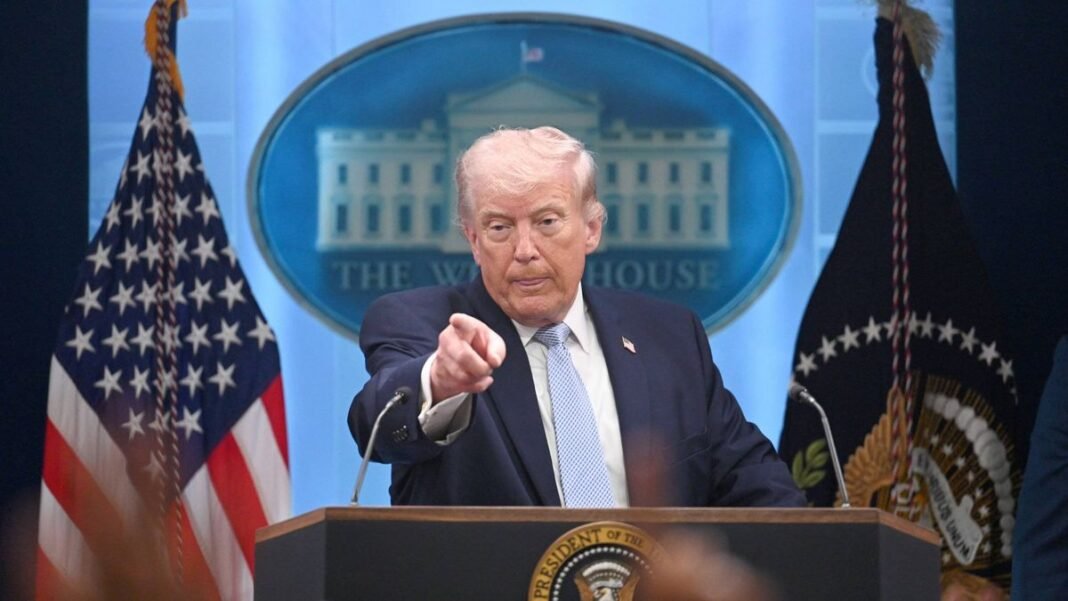
In the aftermath of the Middle East crisis, the IMF highlighted the potential global repercussions, cautioning that a recession could be a looming possibility. Following recent attacks on Iran by US President Donald Trump and Israel, the IMF revised its growth forecasts for the UK downward to 0.8% for this year, down from the previous 1.3% estimate. Additionally, it adjusted next year’s growth forecast from 1.5% to 1.3%, while also projecting higher inflation rates of 3.2% for this year and 2.4% for next year.
The ongoing challenges in the cost of living crisis coincide with escalating fuel prices, looming increases in energy and food expenses, and a bleak outlook for unemployment, which is expected to rise to 5.6% in 2026. The surge in oil and gas prices following recent events has further exacerbated the situation, impacting energy production and transportation.
Key stakeholders, including Chancellor Rachel Reeves and Bank of England Governor Andrew Bailey, are currently attending the IMF’s annual meeting in Washington, where the IMF emphasized the global economic threats posed by the outbreak of war. IMF’s economic counsellor expressed concerns over the darkening global outlook and the potential for a severe energy crisis due to disruptions in key hydrocarbon supply regions.
The IMF’s projections suggest that a severe scenario in the ongoing conflict could significantly hamper global growth by 1.3 percentage points in 2026, potentially edging the world towards a recession. This warning underscores the importance of strategic and timely responses from governments to mitigate the economic fallout while protecting vulnerable households from further financial strain.
Simon Pittaway, a senior economist at the Resolution Foundation, highlighted the vulnerability of British households to economic turbulence resulting from the Middle East conflict, stressing the need for cautious and targeted government interventions to shield the populace from the impact of inflation and economic instability.