
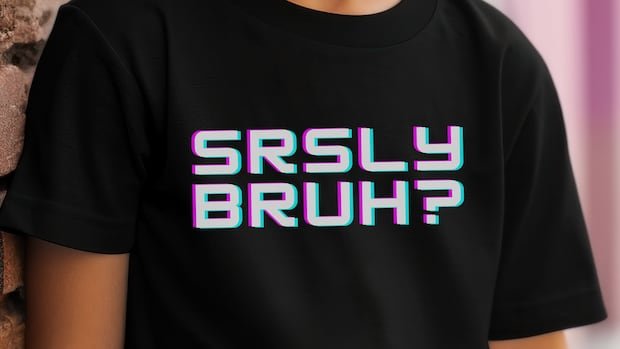

When Sam Joseph Karam received an email from the online retailer Etsy informing him that 11 of his T-shirt designs featuring the term “bruh” had been removed due to a trademark violation, he was immediately suspicious. Karam, the owner of U.S.-based apparel company Customized Designs, sells clothing on various platforms including Etsy. He mentioned that having 11 listings taken down at once was unusual and drew his attention quickly.
The email from Etsy also mentioned the revocation of Karam’s Star Seller badge, which signifies top-tier customer service. Subsequently, Karam noticed a significant decline in his sales. According to the email, the complaint leading to the takedowns was filed by Malik Yawar Abbas, a Canadian trademark holder for the term “bruh.”
Karam is among several Etsy sellers who reported having their items removed from the platform following reports by the trademark holder Abbas. The Canadian Intellectual Property Office (CIPO) issued a trademark for “bruh” in July 2025, allowing its use in the sale of various clothing items. Another trademark for the same term was recently granted to Abbas for advertising restaurant services.
Karam accused Abbas of “trademark squatting,” alleging that Abbas aims to profit by licensing the term rather than creating his own products. Legal experts suggest that platforms and the legal system should work together to prevent the misuse of trademarks in this manner.
After the takedown of his listings, Karam discovered Abbas’s website, which showcases how he safeguards the “bruh” trademark and offers licensing options for its use. The website does not sell clothes but displays mock-ups of clothing and other products featuring the word “bruh.” Abbas stated that the website demonstrates potential commercial applications of the brand.
When Karam reached out to Abbas regarding the Etsy takedowns, Abbas proposed withdrawing the complaint if Karam agreed to certain terms and paid $1,000. Karam declined, asserting that the situation reflects trademark squatting.
Abbas clarified that the $1,000 was part of a proposed settlement in a trademark dispute, which was not finalized or paid. He defended his actions, stating that the “bruh” trademark is lawfully registered and intended for commercial licensing purposes.
Although Abbas withdrew the complaint to Etsy after the designs were removed, Karam believes that the damage has been done. He is consulting an intellectual property lawyer and contemplating legal action to challenge the trademark on grounds of bad faith.
Under Canada’s trademark laws, introduced in 2019, a trademark can be invalidated if it was registered in bad faith. Experts suggest that the manner in which the “bruh” trademark is being enforced may meet the criteria of bad faith, but its legal implications remain untested.
Despite the widespread use of general terms and pop culture phrases, they can be trademarked depending on the context. Trademark ownership does not equate to absolute control over the word, as its usage and context play crucial roles in determining infringement.
Etsy sellers facing trademark takedowns encounter challenges due to limited appeal options. While platforms like Etsy take infringement notices seriously, the absence of an appeals process poses difficulties for sellers. Tighter regulations and improved procedures for challenging potential bad-faith trademarks are recommended to address such issues.