
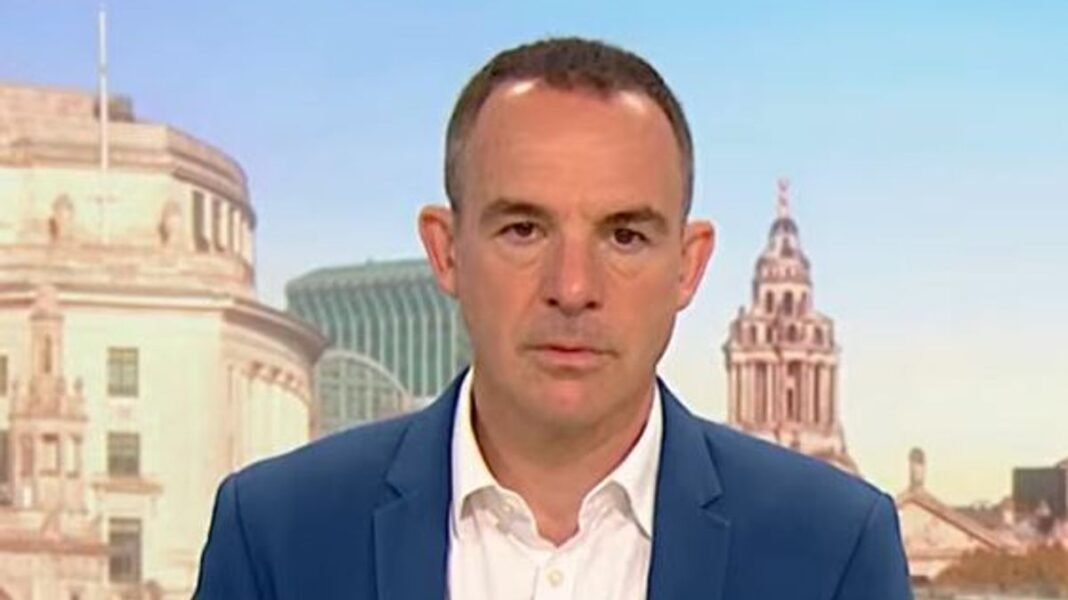

Martin Lewis has indicated that energy prices are on a downward trend following the recent agreement between the US and Iran. The well-known money-saving expert shared positive news for financially burdened British households, suggesting that prices are expected to decrease soon.
The agreement between the US and Iran to end hostilities and reopen the vital Strait of Hormuz has led to a decline in oil and natural gas costs, resulting in lower energy prices. Brent crude oil has dropped by around $7 per barrel, and UK natural gas prices have decreased by approximately 14%.
Notably, fixed energy deals are already being offered at prices about 5% cheaper than before. Mr. Lewis highlighted the affordability of these deals, stating that “Energy fixes have started to get cheaper, now 5% below April price cap.”
Despite the positive developments, Mr. Lewis cautioned that a significant reduction in the next price cap, effective from October to December, should not be anticipated. The upcoming price cap announcement by energy regulator Ofgem on August 26 will affect about 60% of households in England, Scotland, and Wales on standard variable tariffs.
As of July 1, the current energy price cap is set to increase by 13%, leading to an annual charge of £1,862 for a home with typical energy consumption paying via direct debit. Mr. Lewis warned that this increase of £221 from the previous cap might rise further, despite the recent decrease in natural gas prices due to the US-Iran agreement.
Discussing the future outlook, Mr. Lewis explained that the US-Iran deal has influenced natural gas prices, which are a key factor in UK energy bills. While prices have started to decrease, they are still a long way from pre-conflict levels. He suggested that slightly cheaper fixed tariffs may be introduced soon but cautioned that the October price cap is likely to remain higher than current levels.
When questioned about the expected increase in the October price cap, Mr. Lewis pointed out that price adjustments are time-lagged, slow to rise, and slow to fall due to global events like the recent Middle East crisis.