

Navigating through the airport can be a tiring experience. Ideally, one would smoothly pass through security to have ample time for browsing duty-free shops or enjoying a leisurely cup of coffee. However, there are various points of congestion that can lead to delays.
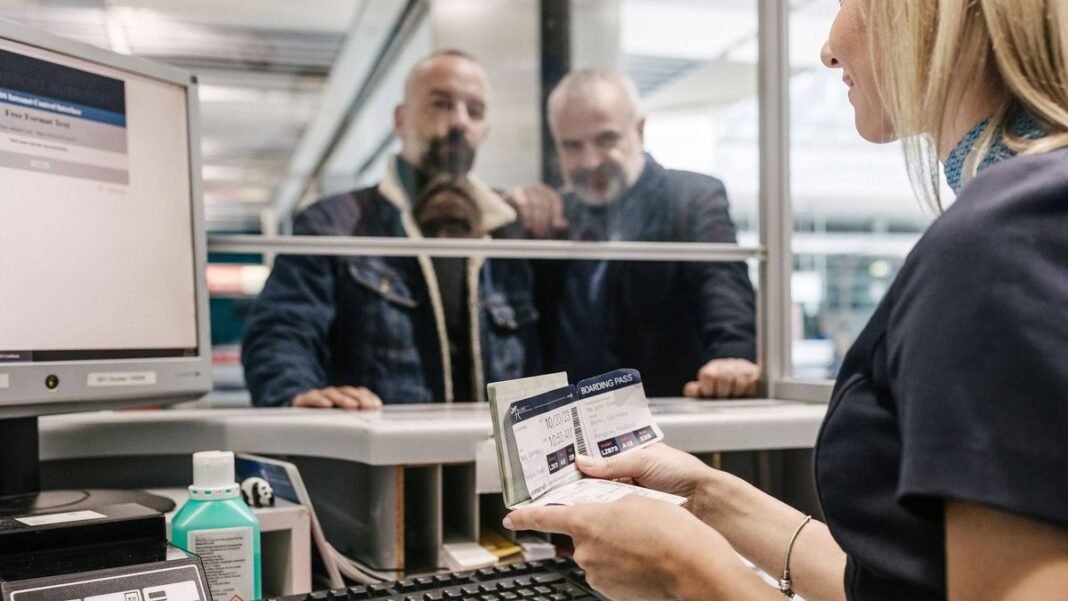
An early indication that your airport journey may not go as planned is when your boarding pass is issued. Check-in staff often input codes on your ticket to notify airport personnel of specific alerts. There is one code, in particular, that travelers don’t want to see when heading to major events like the World Cup.
Passengers flying to or from the United States may come across “SSSS” on their boarding pass, which stands for Secondary Security Screening Selection or Secondary Security Screening Selectee. This code signifies that you have been selected for additional inspection, which could be due to various reasons.
Certain airlines may not use the SSSS code but may have their own system for indicating that a passenger requires extra screening. For example, Southwest Airlines reportedly uses a chequerboard pattern on boarding passes.
Individuals from countries with strained relations or sanctions with the USA may have a higher chance of encountering the SSSS code. However, the Transportation Security Administration (TSA) does not disclose the exact criteria for flagging passengers in this manner.
Apart from nationality-based factors, passengers can be flagged for additional screening due to various reasons like one-way bookings, cash ticket purchases, past travel to high-risk countries, or displaying suspicious flight patterns.
Having a name similar to someone on a watch list maintained by the Department of Homeland Security could also trigger additional security checks or even result in denied boarding. Passengers repeatedly selected for extra screening can apply for the DHS Traveler Redress Inquiry Program (DHS TRIP) for smoother travel experiences.
If you do find the SSSS code on your boarding pass, there’s no need to panic. Typically, it means you will undergo enhanced security measures like a pat-down, bag inspection, and possibly a metal detector scan. Travelers should follow their airline’s guidelines on arrival times to ensure they have enough time for additional security procedures.
In the USA, TSA recommends arriving at least two hours before domestic flights and three hours before international departures.