
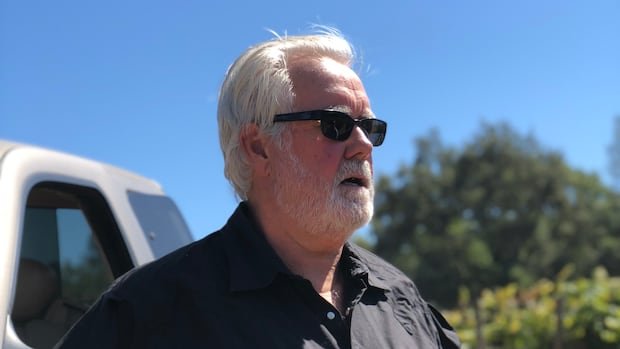

At one point, Bill Easton had routine shipments of Syrah wine heading to Montreal every six weeks from his winery in California’s Sierra Foothills. However, this predictable process was disrupted when Quebec stopped selling American alcohol last year. Now, instead of regular pickups, Easton pays $1,200 every four weeks to store his wine in a temperature-controlled facility.
Easton mentioned that he has wine specifically labeled for the Quebec market sitting in a warehouse waiting to be sold. This move by Canadian provinces to ban U.S. alcohol has become a focal point in trade talks, with winemakers feeling puzzled about being used as leverage in an international dispute.
Premiers are now contemplating reintroducing U.S. alcohol products after halting their distribution due to tariffs imposed by U.S. President Donald Trump. Prime Minister Mark Carney has urged provinces to reconsider to prevent new tariffs on $29 billion worth of Canadian goods. Some premiers have expressed willingness to comply, while others are seeking more details before committing. Manitoba Premier Wab Kinew believes that relenting in the trade dispute may not be wise.
The ban on American alcohol has led to empty shelves where California wines and Kentucky bourbons used to be displayed, irking Washington. Trump has cited this ban as one of the key issues behind his threat to impose significant tariffs on Canadian goods. Most Canadian provinces manage alcohol distribution through government-run liquor boards, which the U.S. claims create barriers with listing restrictions, pricing rules, and distribution requirements.
The Oregon Wine Growers Association, representing a substantial portion of Oregon’s wine production, emphasized the importance of rebuilding trust and relationships with Canadian buyers through a stable trading environment. They are optimistic about resolving the current trade issues.
Many Canadians have indicated they will not revert to buying American brands due to new preferences or ongoing personal boycotts. One example is Phillips Distilling, which relocated production of Sour Puss liqueur from Minnesota to Montreal amid trade uncertainties.
Trade data shows a significant decline in U.S. wine exports to Canada, with a 77% drop between 2024 and 2025. The Distilled Spirits Council of the United States reported a 60% decrease in bourbon exports to Canada, emphasizing the need for a negotiated solution to restore American spirits to Canadian shelves.
Easton estimated a $500,000 income loss due to the bans last year and remains cautious about any potential resolutions until he sees concrete actions. He hopes for a return to normalcy but remains uncertain about the feasibility of that outcome.