
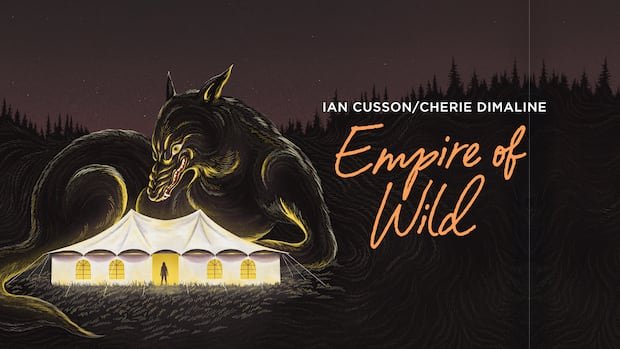

Cherie Dimaline’s novel “Empire of Wild” portrays the struggle of three generations of women as they endeavor to save their family member from the clutches of the Rogarou, a creature akin to a werewolf. Their mission is to bring back a missing husband and safeguard their territory from corporate encroachment.
This compelling narrative, characterized by its raw, captivating, and intense nature, earned the prestigious title of Indigo’s top book of 2019, surpassing renowned works like Margaret Atwood’s “The Testaments” and Taylor Jenkins Reid’s “Daisy Jones & The Six.”
An investment of approximately $4 million is underway to support an Indigenous-led creative team in transforming the book into an opera, with plans for the world premiere set in Toronto next spring.
This bold endeavor aims to attract a younger audience and newcomers to the opera scene while potentially challenging traditionalists who favor the classical repertoire.

“Empire of Wild” unfolds in the Georgian Bay Métis community in Penetanguishene, Ont., Dimaline’s hometown. Composer Ian Cusson, a fellow native of the area, identified the Rogarou in the book from tales his mother used to narrate.
“Although a work of fiction, I encountered familiar people and dialects from my upbringing,” shared Cusson during a recent CBC News session in Toronto, where the ensemble was refining the musical score.
Cusson emphasized the progressive nature of the opera, stating that it provides a platform for contemporary stories to thrive, not confined to historical or European narratives, but resonating with present-day audiences.
Contemporary Representation
Cusson and Dimaline, who penned the libretto, aimed to craft relatable modern characters for today’s audiences.
“The story features diverse characters, including queer individuals and a working-class family navigating extreme circumstances,” Cusson noted, highlighting the unconventional dialogue that includes profanity and humor.
Describing the production as a heightened cinematic experience, Cusson expressed his enthusiasm for integrating elements of horror and darkness into the narrative, aligning with the preferences of contemporary audiences.
He remarked, “It resonates with the expectations of younger audiences seeking engaging entertainment.”
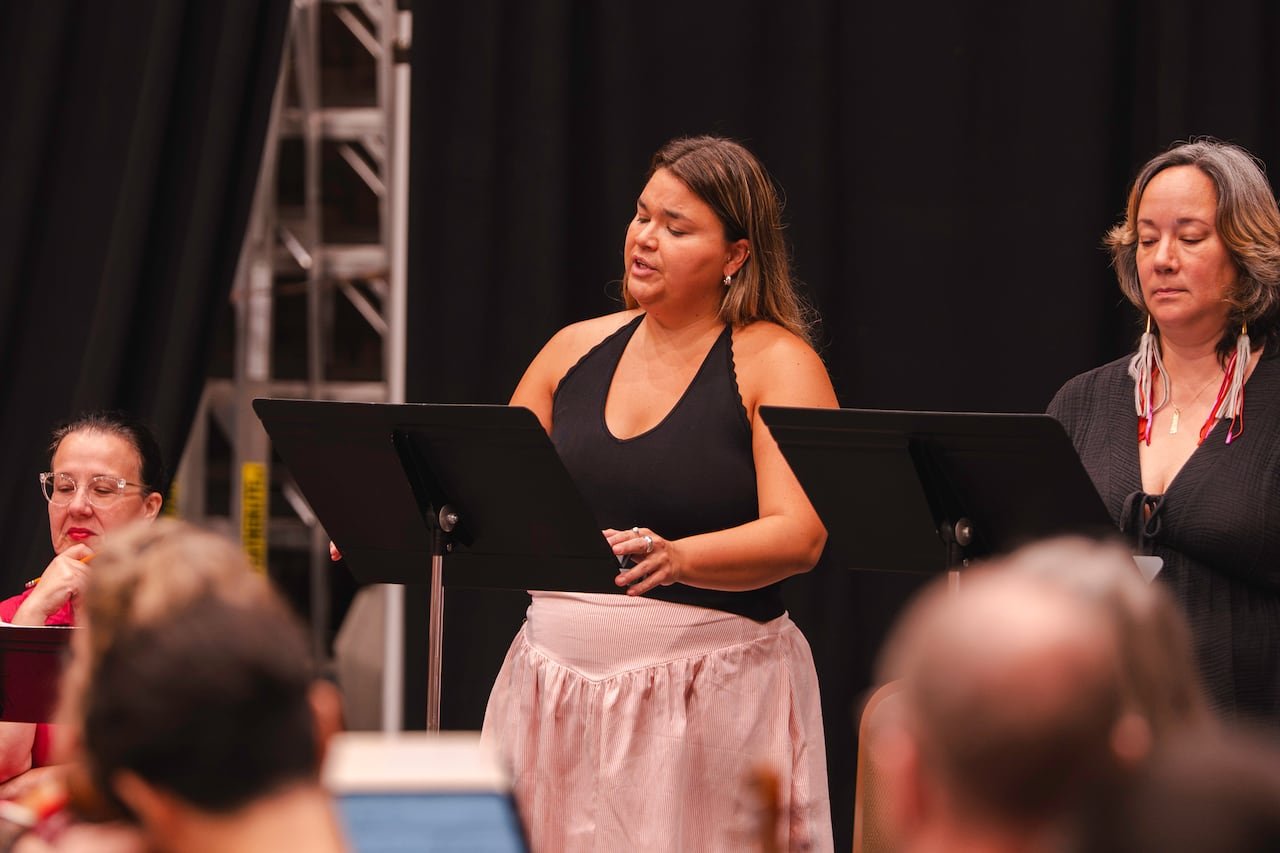
Elisabeth St-Gelais, a 30-year-old Innu soprano, embodies the lead role of Joan in the opera. Having immersed herself in “Empire of Wild” twice, she acknowledged the story’s relatability to younger audiences.
St-Gelais highlighted Joan’s flawed nature, emphasizing her coping mechanisms amid personal crises, a facet she believes resonates with many individuals.
Defying Conventions
At its core, “Empire of Wild” revolves around themes of power, defiance, and persistence.
Following a heated argument over land sale, Joan’s husband goes missing, only to resurface months later as a preacher under suspicious circumstances linked to industrial interests in the region.
The narrative delves into supernatural elements, emphasizing the importance of ancestral wisdom in Joan’s quest to reunite with her partner,