
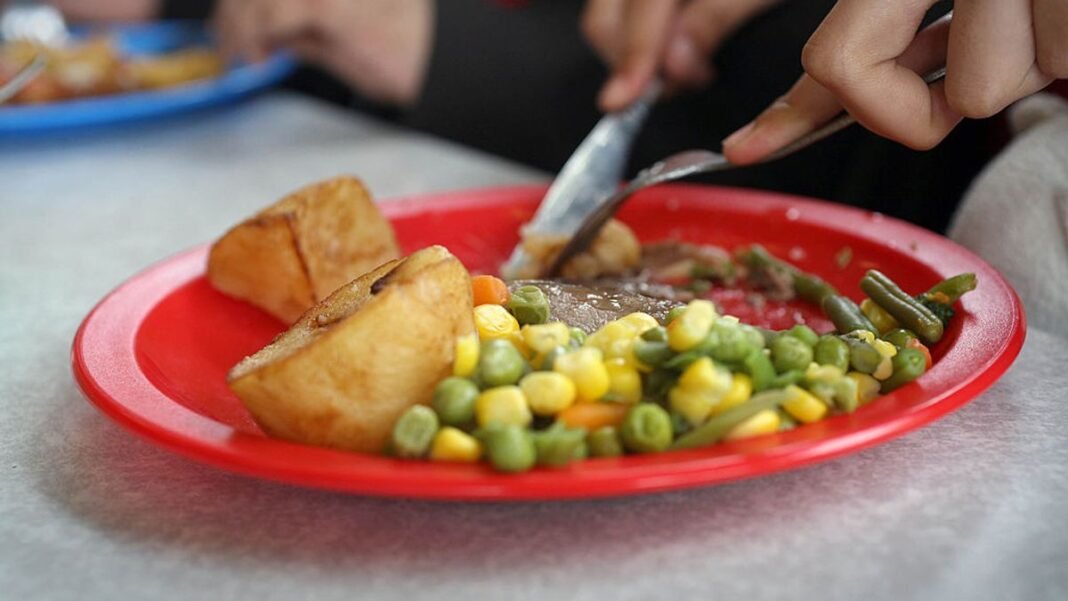

Parents will soon have easy access to their children’s school menus as schools are instructed to publish them online. The government is preparing to introduce a set of initiatives focusing on food and farming education to equip young individuals with the knowledge for healthier living.
Among the proposed School Food Standards changes is the requirement for every school to designate a lead governor responsible for food and to make their food policies and menus publicly available on the internet.
The new curriculum will incorporate cooking and nutrition as essential subjects up to the end of Key Stage 3, with cooking lessons starting at primary school level and food education becoming a distinct component in the design and technology curriculum.
Students will be educated on the origins of their food, emphasizing the vital role of farmers in providing nutritious meals. The focus will be on preparing savory dishes to promote affordable and healthy eating habits among children.
These measures are part of the government’s response to the Farming Profitability Review by Minette Batters, scheduled for release this week, aiming to address the lack of information among parents regarding their children’s school meals.
Earlier this year, the government introduced significant changes to school meal provisions, including restrictions on certain foods. These measures are part of a comprehensive standards update targeting childhood obesity and dental issues.
The revamped school menus will exclude deep-fried foods, limit sugary treats, and restrict desserts like ice cream and waffles, ensuring they are served just once a week and comprise at least 50% fruit.
Prior to this, the government revealed a 25-Year Farming Roadmap, a long-term strategy to balance food security, farm profitability, and environmental sustainability, supported by a substantial £11.8 billion investment.
Environment Secretary Emma Reynolds emphasized the importance of children understanding the food supply chain, stating that transparency in school meal offerings will empower families to make healthier choices and appreciate the prospects in food, farming, and rural careers for future generations.