

During travel, whether on a packed plane, bustling airport, or untidy hotel room, numerous unhygienic spots can be encountered. This is a common occurrence while on the move.
Holidaymakers might unknowingly adopt habits that can be surprisingly unclean, such as a frequently used item in hotel rooms that can harbor more bacteria than a toilet seat.
The travel experts at Quotezone.co.uk have identified five high-risk areas that germ-conscious travelers from the UK should be cautious of while on vacation. These findings are likely to prompt a quick grab for antibacterial wipes in alarm.
While many people clean the remote control when at home, in hotel rooms, it is uncertain if the housekeeping staff have thoroughly cleaned this frequently touched surface. It is reported that remote controls in hotel rooms can be one of the most contaminated items, possibly dirtier than a toilet seat.
A survey of 1,000 individuals revealed that nearly 17% of Brits admit to never sanitizing the remote control before using it, leaving behind germs from previous guests.
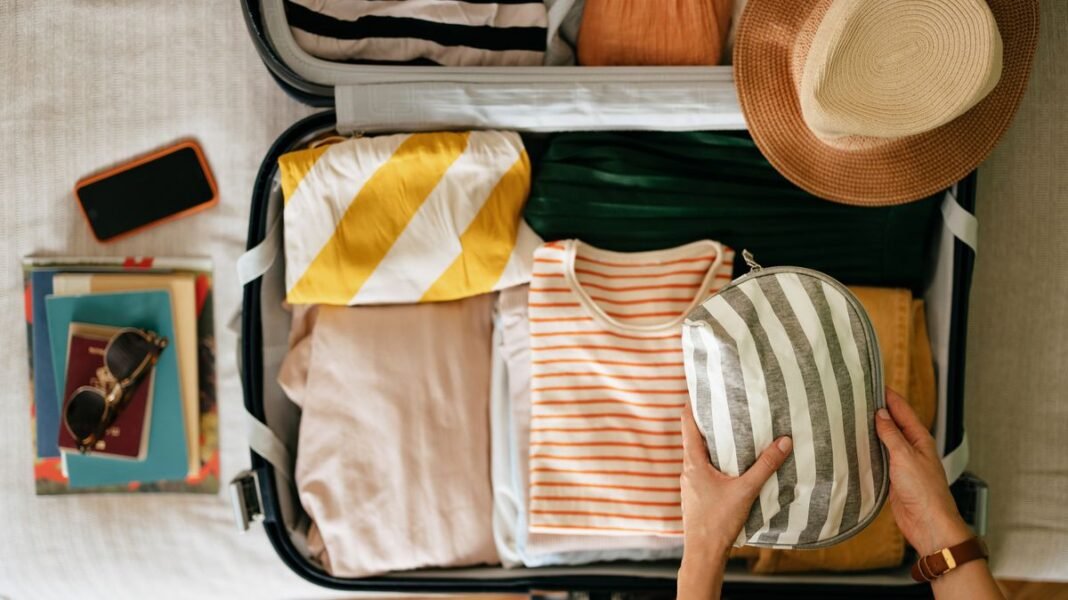
Upon arrival at your lodging, it is common to place your suitcase on the bed to unpack. However, it is essential to remember the various places your luggage has traveled through, including airports, baggage holds, and city streets where germs accumulate. To prevent transferring germs to your clean sheets, it is advisable to use a luggage rack or place your suitcase on the floor while unpacking.
Airlines are known for their lack of cleanliness, especially with quick turnovers between flights. Tray tables, often given a cursory wipe, can be considered one of the dirtiest areas on a plane. Surprisingly, the seat pocket, where passengers store personal items like passports and snacks, can be even dirtier. Flight attendants caution against using the seat pocket due to its unclean nature.
While vacationing in sunny destinations, it may be tempting to walk barefoot, but caution is advised, especially in high-traffic areas. It is not uncommon to see travelers barefoot in hotel hallways, bars, and even on planes, potentially picking up bacteria from others’ shoes. Packing flip flops for more relaxed days is recommended to avoid contact with germs.
British passport holders will encounter more touchscreens at airports due to the EU’s new Entry/Exit System (EES), requiring automated passport scans and fingerprinting for entry into certain countries. Despite this, a significant 10% of survey participants do not sanitize their hands after using touchscreens or scanners, potentially increasing the spread of germs at airports.
Helen Rolph, a travel insurance specialist at Quotezone.co.uk, emphasizes the importance of maintaining good hygiene practices while traveling. Regular hand washing, sanitizing surfaces, and having appropriate travel insurance coverage are essential steps to safeguard one’s health during trips.
Comprehensive travel insurance typically covers medical expenses for doctor visits or hospital admissions, ensuring travelers are protected in case of illness. Rolph stresses the significance of taking preventive measures to safeguard travel plans and avoid potential disruptions due to health issues.