
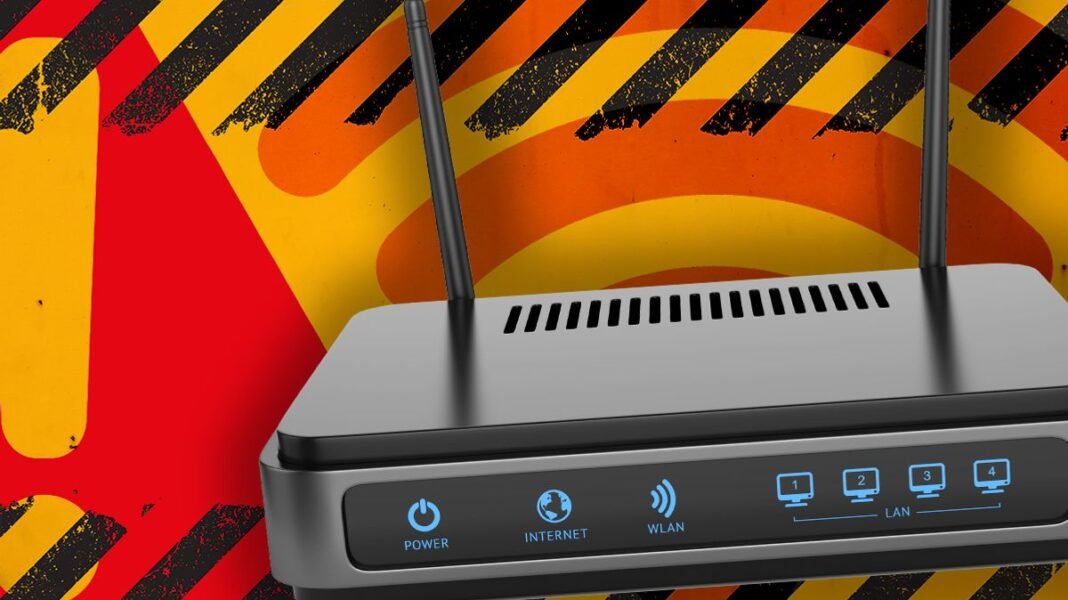

If you’re experiencing sluggish broadband speeds, the culprit might be the number of devices connected to your router. Recent findings suggest that the average British household hosts around 16 web-enabled gadgets.
Certain devices, like video doorbells, constantly utilize internet bandwidth, affecting activities such as video conferencing and streaming services like Netflix, especially for homes with basic internet connections.
In essence, broadband functions like a road – the more traffic it handles, the slower it becomes. While properties with full-fibre broadband can accommodate heavier traffic, older copper cables struggle to keep up.
Furthermore, “phantom” devices, which remain connected to the router despite being inactive, contribute to slowing down the network by continuously sending and receiving data.
To enhance connectivity, consider upgrading to faster full-fibre speeds if your home is filled with smart devices like TVs, doorbells, speakers, and more. Disconnecting unused devices can also lead to an immediate speed boost.
According to Max Beckett, a broadband expert at Uswitch, inactive gadgets and sensors can congest your connection, causing buffering during activities like watching movies or gaming. Taking the time to declutter your connected devices can significantly improve your internet experience.
In conclusion, a full fibre broadband connection offers the best solution to eliminate buffering issues, but managing connected devices and optimizing bandwidth usage can also make a substantial difference.