
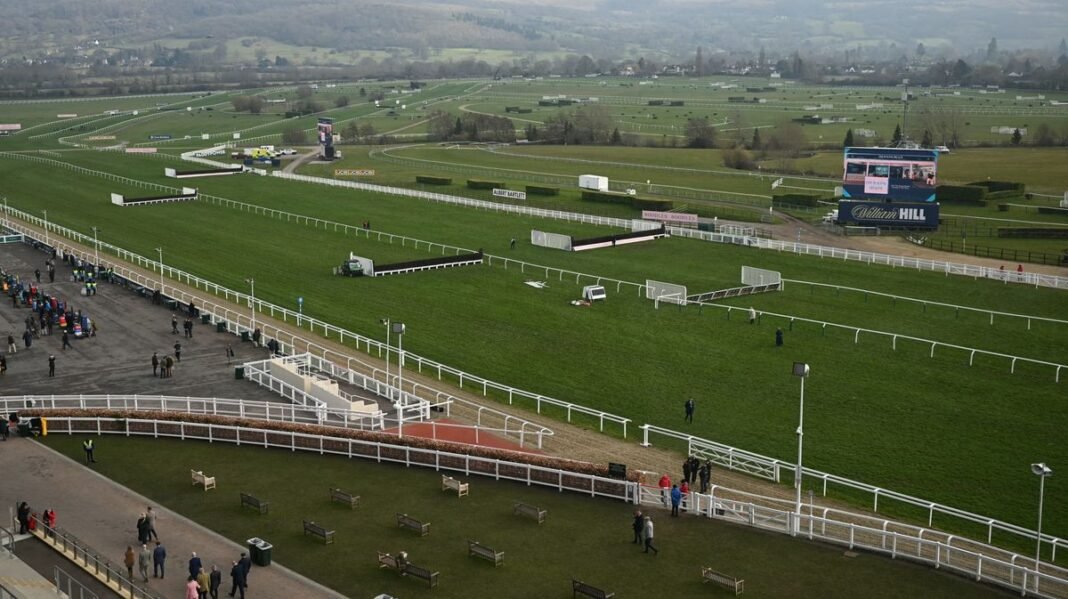

The Cheltenham Festival horse known as HMS Seahorse has tragically passed away due to a severe injury during the third race on Wednesday. ITV confirmed this devastating event through an official statement broadcasted on their channel, marking the second horse fatality at the Festival.
Trained by Paul Nolan, the eight-year-old horse fell at the final hurdle in the 2.40pm BetMGM Cup Handicap Hurdle and, despite immediate veterinary attention, could not be saved.
HMS Seahorse becomes the second horse to lose its life at the Festival, following the tragic death of Hansard after a fall during the second race of the first day, as announced by ITV presenter Ed Chamberlin.
Efforts to save the eight-year-old were made by a team of expert vets during the third race, but unfortunately, the horse sustained a fatal injury from the fall. The statement expressed condolences to the connections of HMS Seahorse.
Horse racing, like all sports, carries inherent risks, but The Jockey Club, responsible for organizing prestigious events like the Cheltenham and Aintree Festivals, diligently works to mitigate risks at their races. The industry has invested over £63 million since 2000 in equine welfare, focusing on veterinary care, education, and research.
The British racing sector operates under the oversight of an independently-led Horse Welfare Board, which has implemented a strategic plan named ‘A Life Well Lived’ to enhance horse welfare standards. Notably, the rate of fallers in horse races has decreased over the past two decades, now standing at only 1.98% of all runners, with a fatality rate of just 0.22% among 86,300 runners in 2025.
Various safety measures have been introduced, such as changing jump markers to white based on equine vision research, utilizing padded hurdles to reduce fall rates by 11%, and instituting a thorough review process following any racecourse fatalities.
The racing industry collaborates regularly with esteemed animal welfare organizations like World Horse Welfare, RSPCA, and Blue Cross to ensure the highest standards are maintained. Public perception of horse welfare improves significantly after visits to breeding facilities, training centers, and aftercare establishments.
National Racehorse Week offers 65,000 complimentary visits to such facilities, aiming to educate the public on horse welfare. In 2025, horse racing attracted five million attendees, making it the second most popular sport in the UK after football.