
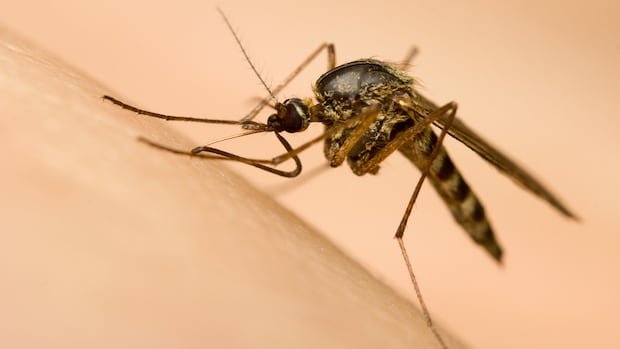

During this summer, mosquitoes seemed more prevalent and lingered longer in some prairie cities like Manitoba, Saskatchewan, and Alberta, causing a shortage of bug spray due to high demand. The City of Edmonton reported a significant increase in mosquito numbers in July compared to the previous year, although not reaching record highs. Saskatoon and Winnipeg also observed higher mosquito populations in July compared to the previous year.
In southern Ontario, the record rainfall witnessed this summer is believed to have fueled the surge in mosquitoes, leading to continued annoyance with itchy bites into September. Fiona Hunter, a professor at Brock University specializing in medical and veterinary entomology, noted a rise in Ochlerotatus trivittatus species, particularly known for breeding in flooded areas. The abundance of standing water from the heavy rains in southern Ontario this year created ideal breeding grounds for these mosquitoes.
Experts explained that the persistent rainfall triggered the hatching of dormant mosquito eggs, intensifying the mosquito presence in regions like the Greater Toronto Area and southwestern Ontario. As the weather cools down, mosquito populations are expected to decline significantly, with the insects struggling in extreme heat and perishing in cold temperatures. Observations in Alberta following a cold spell confirmed a decrease in mosquito activity, indicating a similar pattern to be expected in other affected areas.
Although Edmonton and Calgary faced a severe mosquito season earlier due to substantial early-year rainfall, the populations have dwindled with recent colder temperatures. Edmonton saw a reduction in the dominant Aedes vexans mosquito species, but the warm fall weather has delayed a substantial decline in their numbers compared to previous years. While temperatures are projected to rise in the coming week, mosquito populations are not anticipated to reach the levels experienced in central Canada.