
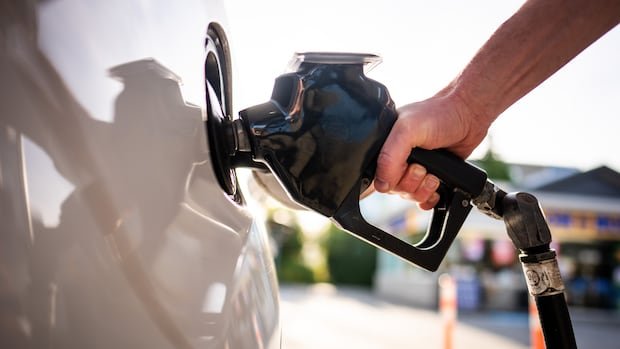

Gas prices in Canada are on the decline, bringing relief to drivers as a seasonal transition occurs. Earlier this week, the national average gas price peaked at 194.5 cents per litre before dropping overnight to 186.9 cents per litre. This shift is attributed to the change from summer-blend gasoline to winter blend, which typically leads to lower prices in the fall. The adjustment in fuel composition aims to enhance engine performance in colder temperatures.
According to Dan McTeague, president of Canadians for Affordable Energy, gas prices are expected to decrease further by a few cents over the weekend. However, McTeague noted that this decrease may be temporary unless there is a significant increase in oil, diesel, jet fuel, and gasoline supply globally.
While gas prices are decreasing, diesel prices are rising across Canada. The average cost of diesel was $2.751 per litre, with variations in different cities such as Calgary at $2.513 and Vancouver exceeding $3. Diesel price hikes could impact consumers beyond drivers, as trucks and tractors reliant on diesel for transportation and food production may lead to increased grocery prices.
Tej Dulat, director of government and public affairs at the Canada Truck Operators Association, highlighted the potential impact on consumer goods pricing due to the necessity for companies to transfer rising fuel costs to consumers. This could translate into higher grocery prices for Canadians in the near future.