
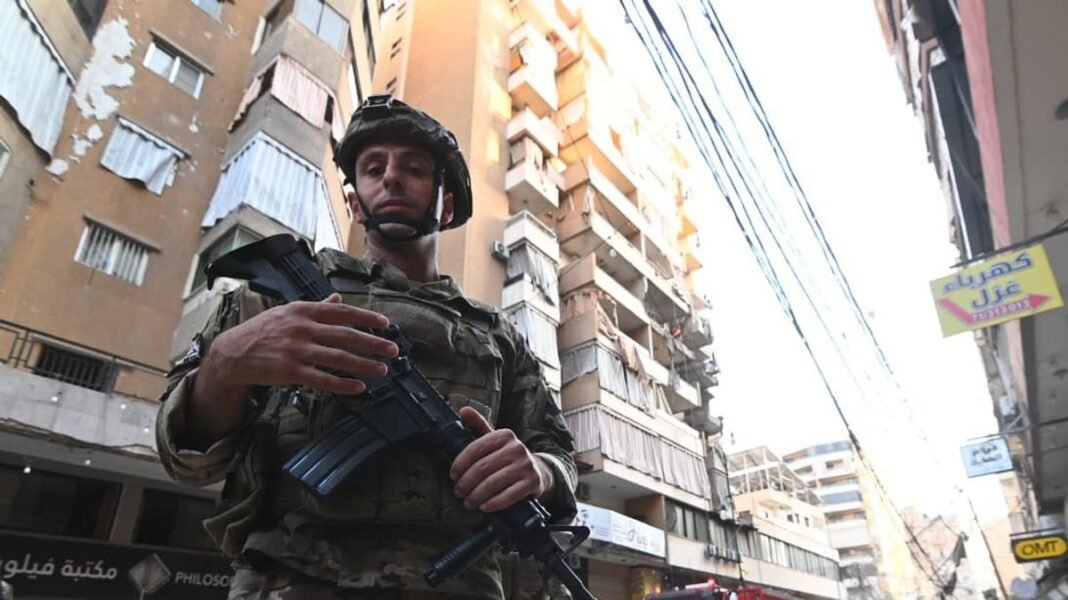

Israel launched a significant airstrike on southern Beirut over the weekend, escalating tensions amid accusations of breaching the Gaza ceasefire. This action further violates the year-old agreement between Hezbollah and Israel, which was intended to be overseen by the US.
The recent escalation in conflict signifies key developments, including Benjamin Netanyahu’s efforts to maintain power, Hezbollah’s diminishing influence, and a message directed at Iran. The strike, which resulted in the death of Hezbollah’s Chief of Staff and other casualties, targeted a residential building in Beirut’s densely populated Dahieh district.
Despite the ceasefire established in November 2024, Netanyahu’s actions indicate a push to extend his leadership, while Hezbollah considers its response to the attack. The incident also highlights the fragility of both the Gaza and Lebanon ceasefires, with concerns about potential further destabilization in the region.
Hezbollah’s role as Iran’s military proxy has faced setbacks since 2022 due to targeted actions, including the use of explosive pagers. The ongoing conflict has seen a significant impact on Hezbollah’s operations, raising questions about Iran’s continued support for the group.
As tensions persist, Israel’s recent strike on Hezbollah is seen as a strategic move in counterterrorism efforts. However, Iran is closely monitoring the situation and planning its next steps to navigate the escalating regional dynamics.
In parallel, ongoing violence in Gaza has raised concerns about breaches of the ceasefire agreement, leading to a significant loss of life. The conflict stemming from Hamas attacks in 2022 has triggered broader regional implications, including increased tensions with Hezbollah and joint military actions against Iran’s nuclear program.
The latest developments suggest that Israel is signaling to Iran the need to cease funding Hezbollah to avoid further repercussions, potentially with US support. The complex geopolitical landscape in the Middle East continues to evolve, with ongoing conflicts and power struggles shaping regional dynamics.