
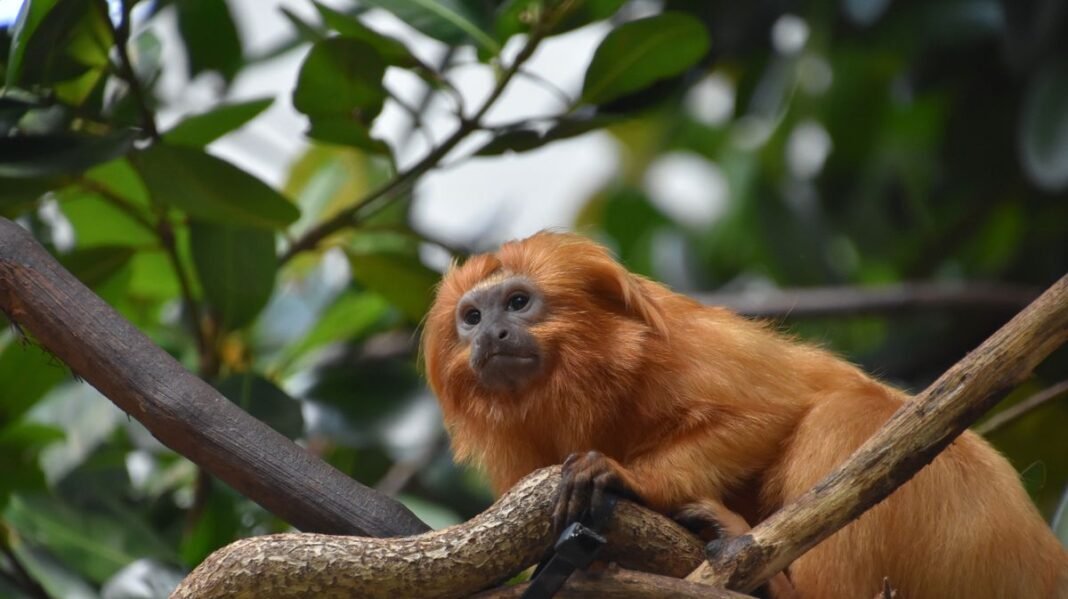

A recent study by researchers from the University of Salford in the UK and Brazil’s Federal University of Amazonas has uncovered a concerning development in the Amazon rainforest. Wild monkeys in the region have been detected carrying human hepatitis B for the first time, indicating a potential transmission from humans to primates.
The study examined blood and liver samples from 88 New World primates across 28 species, with 17 out of 49 monkeys in deforested areas of Brazil’s Rondonia and Mato Grosso states testing positive for the hepatitis B virus (HBV). The genetic fingerprints of the virus in these monkeys matched those found in local human populations.
In contrast, monkeys in a remote area of the upper Japurá River in Amazonas state showed no signs of HBV infection. The proximity of humans to wildlife in deforested regions appears to increase the likelihood of disease transmission between species, highlighting the risks posed by human encroachment into natural habitats.
Hepatitis B attacks the liver and can lead to serious health issues, including cirrhosis and cancer. The mode of transmission to wild primates remains unclear, but potential factors such as the pet trade and urban expansion near forest edges have been identified as possible contributors.
Researchers emphasize the urgent need to address deforestation as a primary threat, as it brings humans, animals, and livestock into closer contact, heightening the risk of disease spillover. Implementing measures to reduce human-wildlife interactions, such as creating buffer zones between towns and forests, could help mitigate these risks and protect both animals and humans.
While the infected monkeys do not exhibit obvious symptoms in the wild, further studies are necessary to determine the impact of HBV on their health and survival. Monitoring in captivity may provide insights into the effects of the virus on New World primates and the potential risks associated with releasing infected animals back into their natural habitat.
The study underscores the need for continued research and vigilance in understanding and managing disease transmission between humans and wildlife in the Amazon region. The changing landscape and increased human activity in the rainforest highlight the importance of proactive measures to safeguard both public health and biodiversity.