

Australian researchers have developed a groundbreaking online tool known as the Carbon Impacts Tracer, aimed at predicting the environmental consequences of fossil fuel projects on the climate. The tool, which was unveiled with a focus on a Canadian offshore oil project, can assess the potential impact of activities such as mining and offshore oil drilling on global warming, glacier melting, and human fatalities.
According to Sarah Perkins-Kirkpatrick, a climate science professor at the Australian National University, the Carbon Impacts Tracer connects the emissions from individual fossil fuel projects to their contribution to global warming and subsequent specific impacts. By utilizing carbon dioxide emission data from project proposals and scientific literature, the tool calculates the projected rise in global temperatures and its consequences, such as coral reef degradation, food production decline, and job losses.
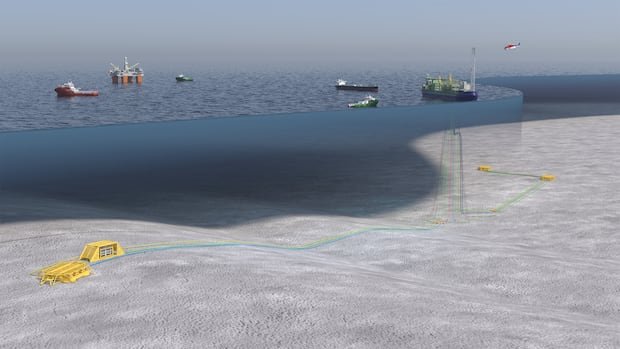
The tool’s launch featured analyses of five Australian projects, one in the U.K., and the proposed Bay du Nord offshore oil project off the coast of Canada. The Bay du Nord project, spearheaded by Equinor, is estimated to extract over 430 million barrels of oil, potentially emitting 188 megatonnes of CO2 over two decades, resulting in a minute temperature increase globally.
Moreover, the tool predicts that the project could expose more than 111,000 individuals to extreme heat and lead to 25 heat-related deaths in Europe. It also forecasts glacier loss, job reductions, and an increase in poverty due to pollution from the project. Equinor has yet to provide a comment on the findings.
Joel Finnis, a climatologist from Memorial University, highlighted the significance of the Carbon Impacts Tracer in consolidating research findings for public understanding. He emphasized the tool’s role in debunking arguments advocating for new oil projects by shedding light on the potential life-threatening and environmental ramifications associated with such ventures.
Maria Nawaz, from the University of New South Wales, praised the tool for demystifying the impact of fossil fuel projects and expects it to bolster climate litigation efforts. She envisions governments, regulators, and the public utilizing the tracer to scrutinize proposed projects and hold entities accountable for their emissions.
Nawaz also suggested potential applications of the tool by insurers to assess project risks and economists to forecast economic implications. Notably, the Carbon Impacts Tracer currently focuses on proposed projects, with plans to include additional developments as more data becomes accessible.