
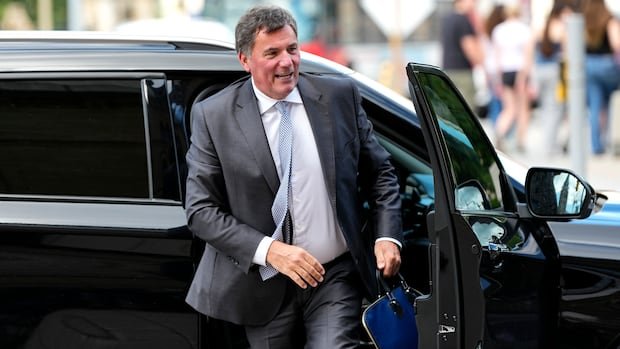

Canada’s Trade Minister Dominic LeBlanc engaged in a lengthy meeting with U.S. officials in Washington to advance discussions on a potential agreement. The negotiations aim to alleviate tariffs on Canadian industries and reinstate U.S. alcohol sales in Canadian liquor stores.
LeBlanc, shuttling between Ottawa and Washington, refrained from disclosing specific details of the closed-door meeting with U.S. trade official Jamieson Greer. However, he hinted at positive developments and emphasized the importance of achieving an economically beneficial deal for Canada and its workers.
Although specifics of the agreement remain confidential, insider sources revealed plans to reduce U.S. tariffs on Canadian steel and aluminum from 50% to 25%. The agreement also includes discussions on derivatives and exemptions. A quota system will limit steel imports at the reduced tariff rate.
Furthermore, the deal proposes lowering tariffs on Canadian vehicles from 25% to 15%. This reduction could potentially cut the effective rate by up to 7.5% for non-U.S. vehicle components. In return, the U.S. requests an end to the boycott on American alcohol in Canadian liquor stores and the removal of provincial restrictions on U.S. firms vying for government contracts.
While some premiers support the negotiations, Manitoba Premier Wab Kinew expressed skepticism, citing concerns about dealing with President Trump. Despite reservations, Kinew indicated willingness to comply with the request to restore U.S. alcohol sales. Other premiers, like Nova Scotia’s Tim Houston and Quebec’s Christine Fréchette, engaged in discussions with LeBlanc and expressed varying levels of support for the proposed deal.
In summary, provincial leaders are navigating the complexities of trade negotiations, balancing economic interests with political dynamics. The ongoing efforts aim to secure a favorable agreement that benefits Canada’s industries and fosters a resilient economy.