
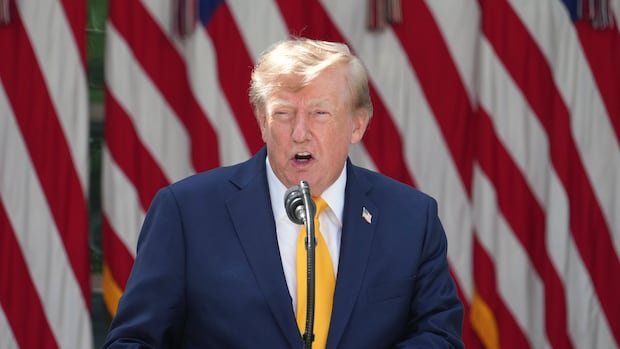

A surge in the trade war between Canada and the United States is expected to result in increased costs for consumers and businesses across various sectors, including electronics, gaming consoles, and artificial intelligence infrastructure.
Last year, Canada exported over $4 billion US worth of electronics equipment to the U.S., which is now subject to new 50 per cent tariffs imposed by President Donald Trump. Among the targeted exports, certain electrical boards and controllers hold the highest value.
In response, Prime Minister Mark Carney announced that Canada would match the U.S. tariffs dollar for dollar, leading to inevitable price hikes and uncertainties for businesses on both sides of the border.
According to Carol McGlogan, President and CEO of Electro-Federation Canada, the impact of the 50 per cent tariffs is deemed devastating. She highlighted that 90 per cent of the exports by members of Electro-Federation Canada go to the U.S., foreseeing increased costs that would affect various sectors like homes, schools, and buildings.
Evan Light, an associate professor at the University of Toronto, expressed concerns over the rising prices of items such as gaming consoles and cell phones, citing existing chip shortages and supply chain issues. He anticipates that the ongoing trade tensions between Canada and the U.S. will exacerbate the situation, further driving up prices.
Andrew Bell, Chief Product Officer at Ottawa-based Kinaxis, emphasized that while the tariffs initially impact supply chains, the ultimate burden falls on consumers who purchase the end products. Bell pointed out that supply chain challenges, including tariffs, contribute to increased costs for components, as evidenced by Nvidia’s recent announcement of price hikes for its artificial intelligence chips.
Considering the potential implications, University of Toronto professor Light raised questions about how the escalating tariffs could hinder AI adoption and deployment due to amplified expenses in both the U.S. and Canada. This situation prompts a reevaluation of the extent to which investments in AI technology are sustainable amidst the escalating trade tensions.