
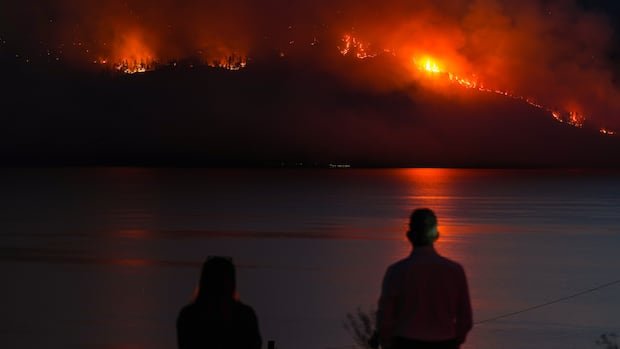

The recent resurgence of El Niño, known as a “super” or “Godzilla” event, is impacting global weather patterns, coinciding with a period of intense heat across North America and Europe. This July marked the hottest on record in these regions, leading to heatwaves, numerous heat-related fatalities, dried-up waterways, and widespread wildfires, including in Canada.
While the connection between El Niño and extreme weather events is not direct, experts highlight the potential for this natural phenomenon to exacerbate existing climate change-driven conditions. Climate scientists emphasize that El Niño’s effects will be far-reaching and significant, impacting a vast geographical area.
El Niños typically occur every few years, lasting several months and altering atmospheric conditions by raising sea surface temperatures. This shift in temperature patterns can lead to unusual weather patterns, with wet regions experiencing droughts and dry areas receiving heavy rainfall.
The ongoing El Niño is predicted to rival the intensity of previous significant events, such as those in 2015-16 and 1997-98. Its impacts are already being felt globally, with regions like Peru, Indonesia, and Panama experiencing varying effects, from heavy rains to prolonged droughts.
In North America, changes to the hurricane season are already evident, with fewer storms in the Atlantic Ocean due to El Niño’s influence. Meanwhile, the Eastern Pacific has seen increased storm activity, including hurricanes and tropical storms causing damage in Hawaii.
Climate scientists warn that the current El Niño event is occurring in a world already affected by human-induced climate change, amplifying the challenges posed by extreme weather events. The lasting effects of this El Niño are expected to persist well into the following year, further complicating global climate dynamics.