
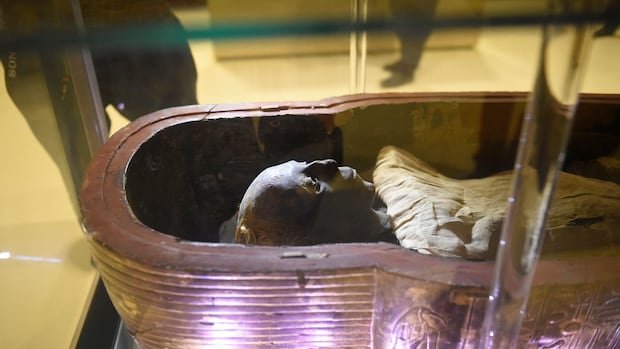

A recent study highlighted the existence of an online market for preserved human remains, raising concerns about potential health risks associated with this niche hobby. Lead author Kirsty Squires and her team examined 128 web posts showcasing mummified human and animal remains available for sale between 2015 and 2025.
The study revealed that mummified heads, hands, and feet were commonly advertised for sale online. These preserved body parts may contain dormant microorganisms like bacteria, fungi, and yeast, posing health risks if not handled properly. Improper storage conditions can lead to visible deterioration of the remains, potentially releasing harmful fungal spores and bacteria into the air.
To mitigate health risks, proper handling protocols are essential. When handling human remains, researchers recommend wearing protective equipment to prevent exposure to airborne microorganisms. Some mummified body parts may also contain toxic chemicals like arsenic and mercury from historical embalming practices.
While the study did not report specific cases of individuals falling ill from handling online-purchased human remains, historical incidents suggest potential dangers. For instance, in 1973, conservation scientists died from inhaling common mould spores during a tomb opening, and in 1923, Lord Carnarvon’s death raised speculation about airborne fungal spores after entering King Tutankhamun’s burial chamber.
James Scott, a public health professor, emphasized ethical concerns regarding the trade of human remains rather than health hazards. In Canada, where 11 individuals were identified as sellers in the study, regulations around selling and buying human remains are limited. Authorities like the Canadian Border Services Agency and Canada Post enforce restrictions on shipping mummified human remains, allowing only cremated remains under specific shipping conditions.
Despite shipping restrictions, sellers may bypass regulations by mislabeling packages as archaeological samples. This loophole raises concerns about the safety of postal workers and others who handle damaged packages containing human remains. Graham, a digital archaeology professor, advocates for stricter laws to prohibit the online trade of human remains, highlighting the ethical implications of commodifying ancestral bodies.
As efforts to regulate the online trade of human remains gain momentum globally, the importance of respecting cultural heritage and ethical considerations remains paramount.