
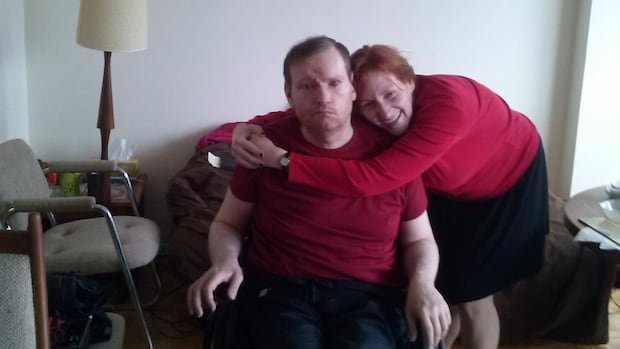

Simone Abrahamsohn, a resident of Toronto, faced the loss of her mother and a newfound responsibility this summer. She took on the role of her older brother’s primary caregiver, navigating the challenges of living together as middle-aged, neurodivergent siblings.
Her brother Stuart, who is autistic and a left-brain stem stroke survivor, requires assistance with daily activities such as feeding, transfers, grooming, and emotional support due to his mood swings and sensitivity to loud noises. Simone recalls feeling embarrassed and saddened by her brother’s autism during their childhood, as his behavior was often misunderstood by others.
Despite their differences, Simone shares similarities with Stuart, having learned to manage her own ADHD through masking and emotional regulation. She strives to create a harmonious living environment by minimizing triggers for Stuart, such as avoiding animated conversations or loud activities that may disrupt their routine.
Reflecting on their past, Simone regrets not advocating for Stuart during difficult times, like when he faced bullying at school. Now, as his roommate, she is committed to being present and giving him agency in decision-making, fostering a supportive and inclusive relationship between siblings.
Although sacrifices have been made, such as giving up acting classes to care for Stuart, Simone values their bond and is determined to provide a nurturing environment for both of them. This second chance to support her brother motivates Simone to improve their living situation and strengthen their sibling relationship.