
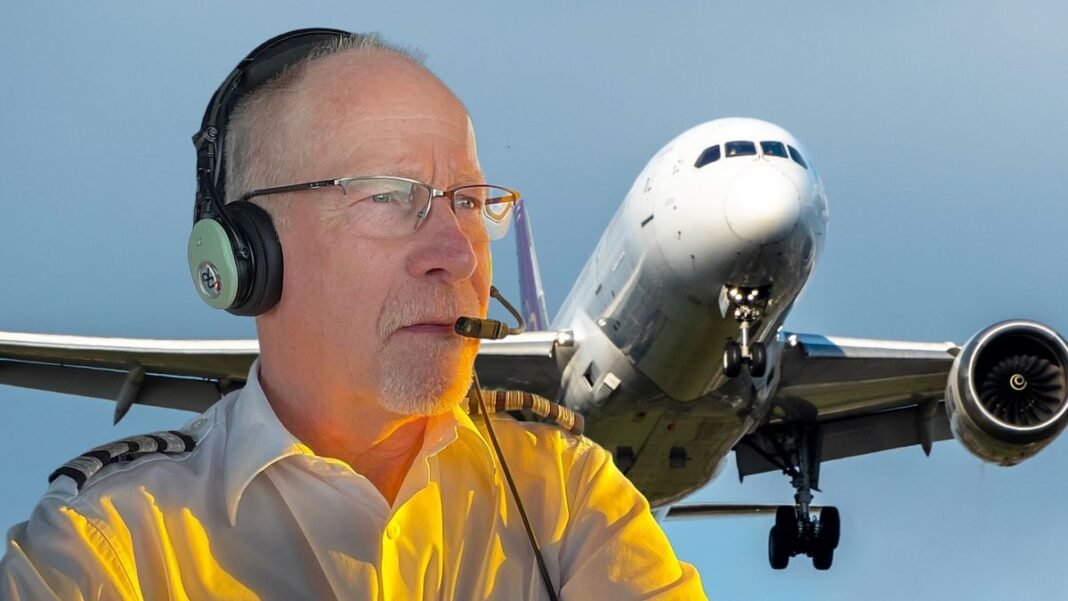

Many people experience fear of flying, also known as aviophobia, which often stems from feeling powerless in an unfamiliar environment. Seeking reassurance, individuals turn to online platforms for tips from fellow anxious travelers. However, speaking directly with experienced pilots can provide valuable insights into air travel safety.
Simon Tranter, a seasoned pilot with years of experience in both military and commercial aviation, emphasized that all airlines must adhere to strict safety regulations regardless of ticket pricing. Budget airlines, in particular, often operate with modern aircraft equipped with advanced safety features, focusing savings on business strategies rather than compromising on maintenance or pilot training.
Similarly, Dan Bubb, a former commercial pilot now teaching aviation courses, highlighted that safety standards remain consistent across airlines, irrespective of cost differences. He emphasized that pilots undergo rigorous training to ensure passenger safety, regardless of the aircraft they fly.
Concerns about turbulence were addressed by Simon, who explained that while turbulence can be uncomfortable, it rarely poses a significant threat to the aircraft’s safety. He likened the experience to driving over cobblestones, emphasizing the importance of fastening seatbelts to prevent spills or injuries during sudden bumps.
Dispelling the myth of opening aircraft doors mid-flight, Simon clarified that cabin pressure seals doors shut with immense force, making it physically impossible for passengers to open them. Additionally, the cabin crew undergo extensive safety training to handle emergencies calmly and discreetly, ensuring passenger comfort and security.
In terms of aircraft safety measures, Simon reassured that modern planes are designed with redundant systems to handle various emergencies, such as engine failures. He emphasized the capability of commercial airliners to operate safely even in rare instances of dual-engine failures, functioning as gliders with the ability to glide to a safe landing location.
Regarding the use of electronic devices during take-off and landing, Simon explained that restrictions aim to keep passengers alert and prepared for critical moments in flight. Flight attendants enforce these regulations to ensure passenger safety during the most dynamic phases of the journey.
Addressing concerns about aircraft windows, Simon clarified that they are made of durable materials capable of withstanding pressure and impact. He stressed that passenger actions cannot compromise window integrity, citing a rare incident where a window shattered due to an engine malfunction.
In conclusion, pilots like Simon and Dan emphasized the high safety standards and rigorous training in commercial aviation, reassuring passengers of the industry’s commitment to ensuring safe and comfortable flights. By shedding light on aviation protocols and safety procedures, these experts aim to alleviate concerns and build confidence in air travel.