
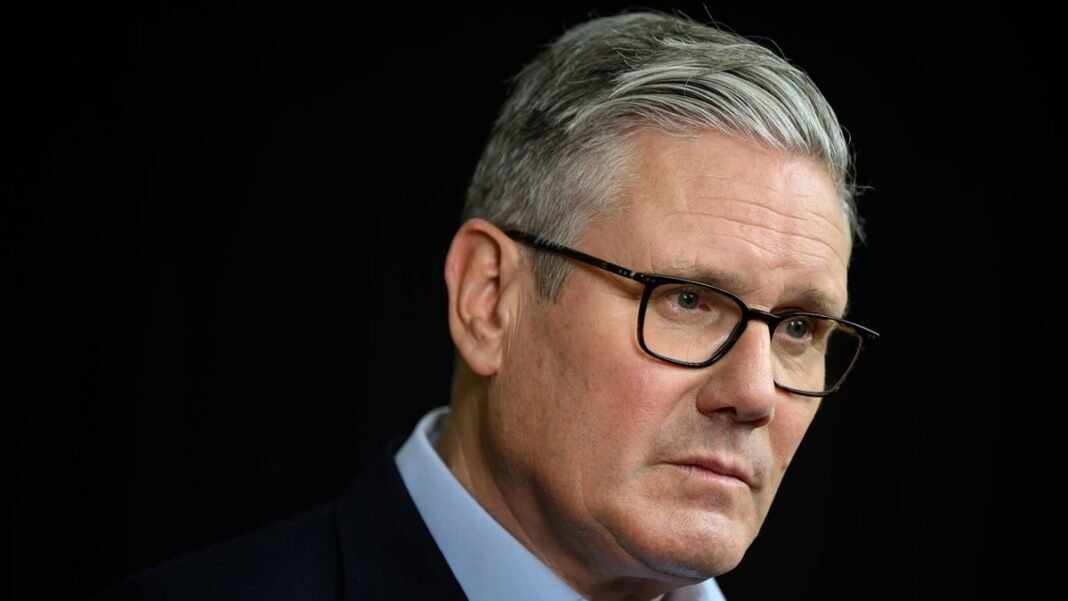

Keir Starmer faces increasing pressure to step down as demands for his resignation grow among Labour MPs. Over 70 members of the party have called for his departure or a clear timeline for his exit, while ministerial resignations on Tuesday, including that of prominent figure Jess Phillips, have further shaken his position.
The situation in Downing Street presents multiple scenarios, none of which are favorable for the Prime Minister. The current unpredictability leaves room for either escalating opposition against Starmer or a fading of the momentum against him.
Starmer’s initial strategy involves holding his ground and challenging his opponents to step up. During a Cabinet meeting on Tuesday, he rejected calls for his resignation, emphasizing that the formal procedure within the Labour Party to challenge a leader has not been activated. The PM signaled his determination not to yield and urged any potential challengers to follow the party’s established process.
According to Labour’s regulations, a leadership contest can only be initiated if the party leader resigns or if a challenger secures support from 20% of MPs, which translates to 81 out of the 403 Labour MPs. Until a formal challenger emerges with sufficient backing, there will be no official leadership race unless Starmer voluntarily steps down.
The upcoming King’s Speech presents a crucial moment for Starmer, where he is expected to unveil a transformative policy agenda to reverse the current tide of criticism. While he affirms his intention to remain in his position for now, the ultimate decision may not rest solely with him.
The possibility of key team members turning against Starmer remains a significant factor in determining his future. While loyalists like Pat McFadden, Liz Kendall, Steve Reed, and Peter Kyle have voiced support for the PM, the stance of other Cabinet ministers could sway the situation.
Furthermore, there are indications of a growing dissent among backbenchers against those advocating for Starmer’s departure. The level of organizational support from Starmer’s backers compared to his critics remains uncertain.
Another potential course of action for the PM is to agree on a timetable for his resignation as demanded by several Labour MPs. However, critics caution that such a managed transition could leave Starmer in a weakened position, hindering effective governance during a period of global instability.
The prospect of a formal challenge against Starmer, backed by the required 81 MPs to trigger a leadership contest, remains a looming possibility. In the event of a race, Starmer is expected to defend his position until the end, as he affirms his commitment to the role he was elected for.
Reports suggest varying levels of support for potential challengers like Wes Streeting and Andy Burnham, awaiting decisive actions to shape the political landscape. Angela Rayner’s aspirations and challenges add further complexity to the evolving dynamics within the Labour Party.
Overall, the future of Keir Starmer’s leadership hangs in the balance, with internal dynamics and external pressures fueling speculation and uncertainty.