
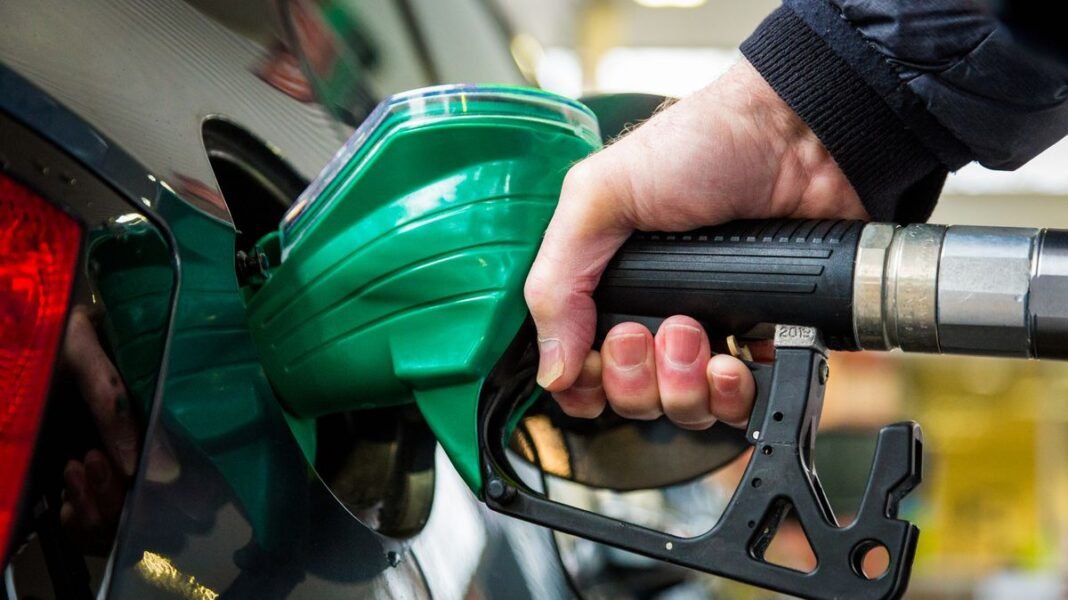

UK motorists have spent an additional £2 billion on fuel since the surge in pump prices following the Iran conflict, according to recent data from the RAC Foundation. The analysis reveals that drivers have shelled out an extra £500 million for petrol and £1.5 billion for diesel in just over a month.
As of Thursday, the average price for petrol stood at 156.98p per liter, down from its peak of 158.31p, while diesel prices were at 188.53p per liter, down from 191.54p. Prior to the onset of the Iran conflict in late February, petrol was priced at an average of 132.83p per liter, with diesel at 142.38p per liter.
The Treasury has raked in over £336 million in additional VAT due to the price hikes. These figures are calculated based on daily pump price increments and last year’s fuel consumption rates.
Steve Gooding, the director of the RAC Foundation, expressed concern over the financial strain the conflict has placed on motorists, emphasizing that the economic repercussions may linger for months even after the conflict ends. Diesel vehicle owners have been hit hardest by the price surges, potentially impacting commercial users who may need to pass on these costs to their customers. Gooding noted that high fuel prices affect everyone, whether they drive or not.
The closure of the Strait of Hormuz has led to a significant increase in petrol and diesel costs due to a spike in crude oil prices, the main raw material for fuel production. Oil prices briefly surpassed $126 (£94) a barrel, the highest level since 2022, amid fears of renewed US actions against Iran. Brent crude later settled at just over $121 (£89) a barrel. Tensions have escalated as peace talks between the US and Iran falter, with reports indicating potential new US military actions against Iran.
UK households are expected to face elevated energy expenses this summer as a result of the conflict, with Ofgem slated to announce the next price cap level for July in the coming month.