
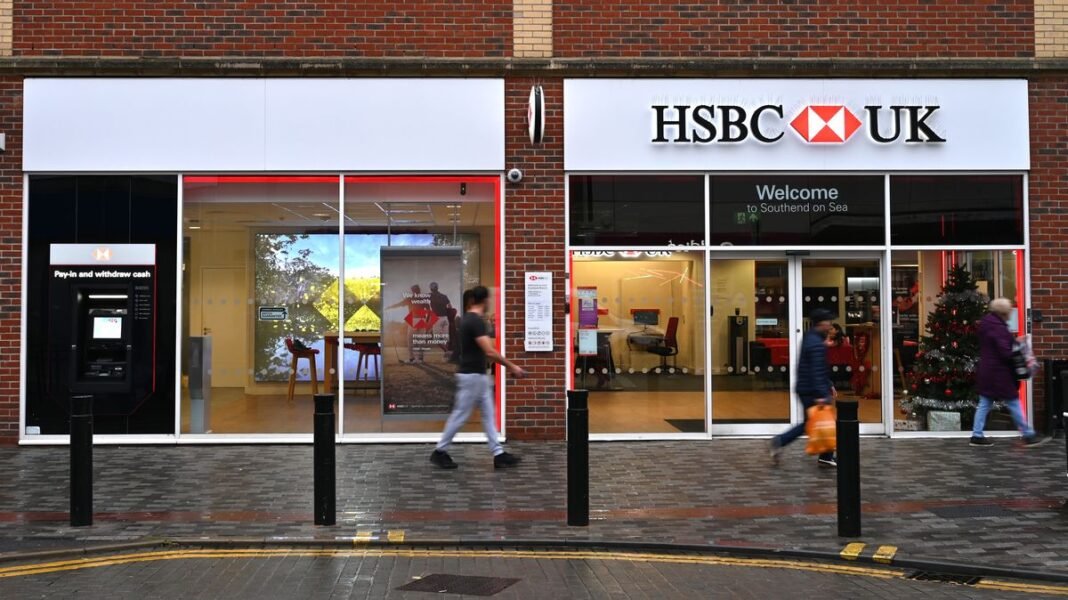

HSBC clients are facing significant delays when attempting to transfer their ISA savings due to a surge in demand following the bank’s introduction of a new switching incentive. The offer entailed £150 cashback for customers depositing a minimum of £20,000 into an ISA. Those depositing between £50,000 and £99,999 were eligible for £250 cashback, while deposits of £100,000 or more qualified for a £500 cashback. A saver mentioned to the Telegraph that she initiated a £70,500 transfer on April 8 and is still awaiting access to her funds, expressing concern about the inability to access a substantial sum in case of emergencies.
Typically, transfers between cash ISAs should take 15 working days, while transfers involving other types, such as stocks and shares ISAs, may require up to 30 calendar days. Several HSBC customers have voiced complaints on social media regarding the delays in the transfer process.
Acknowledging the backlog of ISAs awaiting processing, HSBC assured customers that their funds are secure, and any accrued interest will be credited. Customers will still receive the promised cashback bonus upon the successful opening of their ISA.
A spokesperson for HSBC UK explained that the bank is currently dealing with higher-than-usual volumes of ISA transfers due to increased demand for their savings products, leading to delays in completing some transfers. Customers were reassured that they will continue to earn interest during the transfer period and are not required to take any additional actions at the moment.
An ISA is a tax-free savings account, unlike other savings accounts where interest earnings are subject to taxation above a certain threshold. The personal savings allowance allows basic-rate taxpayers to earn up to £1,000 in savings interest annually before incurring tax, with lower allowances for higher-rate and additional rate taxpayers. Savings interest exceeding these limits is subject to tax.
Common types of ISAs include cash ISAs, stocks and shares ISAs, Lifetime ISAs, and innovative finance ISAs, with children having Junior ISAs. The maximum amount that can be saved across various ISA accounts is £20,000 per year, although certain ISAs may have lower limits, such as the £4,000 annual limit for a Lifetime ISA.