
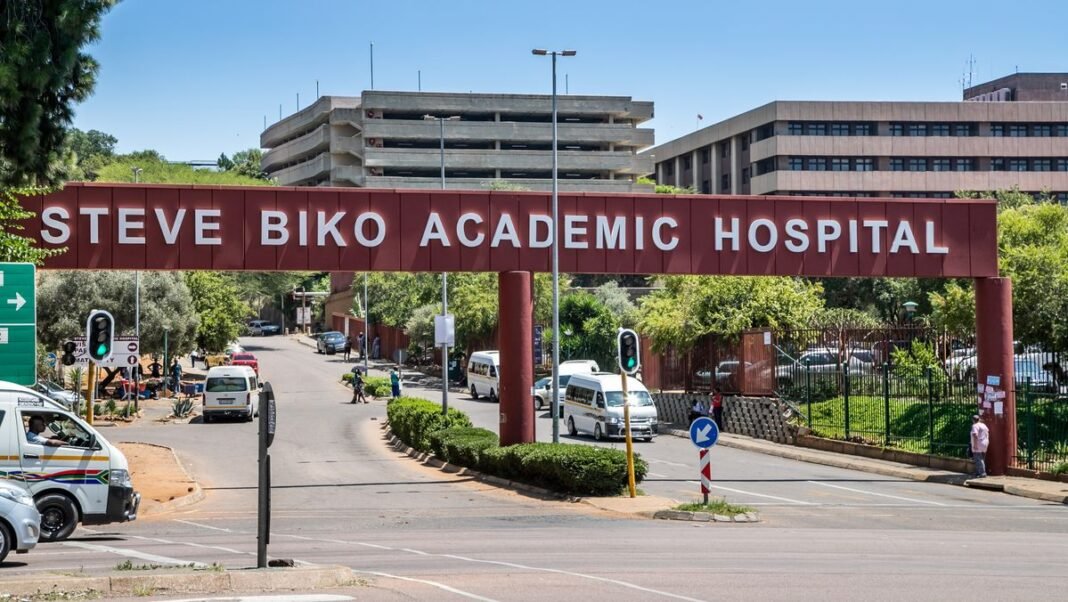

Two former police officers accused of the murder of South African anti-apartheid hero Steve Biko are seeking government funding to defend their innocence amidst the reopening of the inquest into Biko’s death. These individuals, advanced in age, are requesting legal aid despite refusing to acknowledge their involvement in the incident.
Steve Biko, influenced by the incarcerated iconic leader Nelson Mandela, spearheaded the resistance against South Africa’s apartheid regime but tragically succumbed to severe injuries inflicted by law enforcement, leading to his demise in a hospital.
Renowned globally, Biko was honored through various mediums, such as Peter Gabriel’s song ‘Biko’ in 1980 and Denzel Washington’s portrayal of him in the film Cry Freedom in 1987.
Expressing dissatisfaction, a source close to the Biko family voiced their relief that none of the five perpetrators from the police’s infamous Special Branch were granted amnesty by Archbishop Tutu’s Truth and Reconciliation Commission due to their lack of truthfulness during the proceedings. Criticism arose as the two living individuals now seek costly legal aid, prompting questions about the government’s allocation of resources to support long-standing perpetrators.
Nkosinathi Biko, son of the late Steve Biko, emphasized the importance of uncovering the complete truth rather than seeking retribution, highlighting the socioeconomic disparities still prevalent in South Africa that his father would have lamented.
Biko’s demise followed a brutal police assault, culminating in his transport, naked and restrained, on an extensive journey to a Pretoria prison hospital where he succumbed to a brain hemorrhage.
Months post the incident, an inquest absolved any party of responsibility for Biko’s death, triggering widespread condemnation globally. Mandela, later elected as South Africa’s President, underscored Biko’s pivotal role in the black struggle for justice, attributing his demise to the apartheid regime’s desperation to suppress dissent.
Unlike several British publications at the time, the Mirror staunchly opposed apartheid, featuring impactful editorials on Biko’s demise, shedding light on the circumstances surrounding his passing and challenging official narratives.
In efforts to improve user experience, Reach and its affiliates utilize data from cookies and other identifiers to enhance site functionality, analyze usage patterns, and deliver personalized content. Opt-out options are available to manage data sharing preferences, ensuring compliance with privacy regulations.