
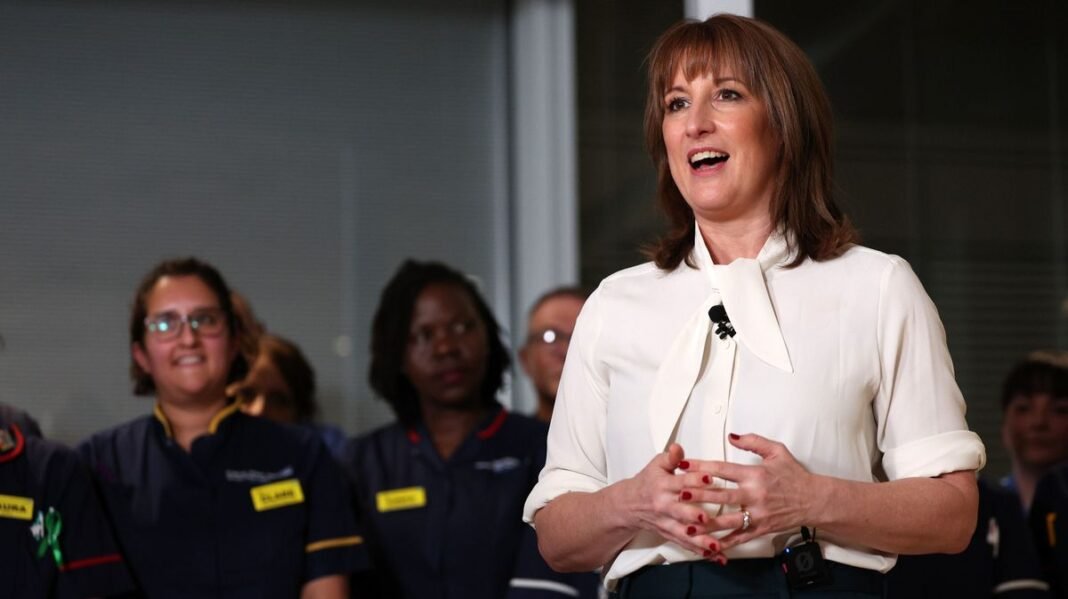

Rachel Reeves unveiled a series of measures in the Budget aimed at easing financial strain on struggling households, backed by a £26 billion tax increase. Despite an early leak of details by the Office for Budget Responsibility, Reeves remained resolute in her commitment to help ordinary citizens with relief on energy bills, wages, rail fares, and fuel costs.
The Chancellor of the Exchequer declared her dedication to reducing the cost of living, receiving enthusiastic support from Labour MPs when she announced plans to eliminate the two-child benefit limit, benefiting 450,000 children. Reeves also pledged to abolish the controversial ‘rape clause,’ emphasizing the need to eliminate such dehumanizing policies.
Addressing the impact of tax adjustments, Reeves acknowledged the burden on working individuals due to the extension of tax threshold freezes. To fill the gap in public finances, she proposed contributions from all sectors, while targeting affluent individuals with a mansion tax on properties exceeding £2 million and increased levies on rental income, dividends, and savings.
The Budget included over £1 billion in gambling taxes on remote gaming and online betting, with no changes to in-person gambling and horse racing duties, and the complete elimination of bingo duty from April. Following a £40 billion tax increase in the previous year, Reeves built a £22 billion financial buffer to safeguard against future economic uncertainties.
Despite challenging economic conditions, the Office for Budget Responsibility projected slower growth from the upcoming year onwards. While acknowledging the need for some individuals to pay more, Reeves stressed that the burden was kept minimal, particularly for low-income earners, through progressive reforms and loophole closures.
Critics argued that Reeves had deviated from Labour’s tax protection promises for working individuals. The Institute for Fiscal Studies highlighted the substantial tax package without major increases in key tax rates but noted breaches in manifesto commitments, particularly regarding national insurance thresholds and salary sacrifice caps, resulting in increased taxes for working people.
Reeves defended her decisions, emphasizing the need for a fair contribution from all sections of society and the importance of redistributing the tax burden from the less affluent to wealthier individuals. The Budget’s focus on supporting low-income households received praise from various quarters, with the TUC and former Prime Minister Gordon Brown commending the initiatives aimed at alleviating poverty and boosting long-term economic outcomes.
While industry leaders expressed concerns about stalled growth and increased costs for businesses, Reeves stood by her Budget decisions, emphasizing the necessity of balancing economic stability with social welfare objectives.