
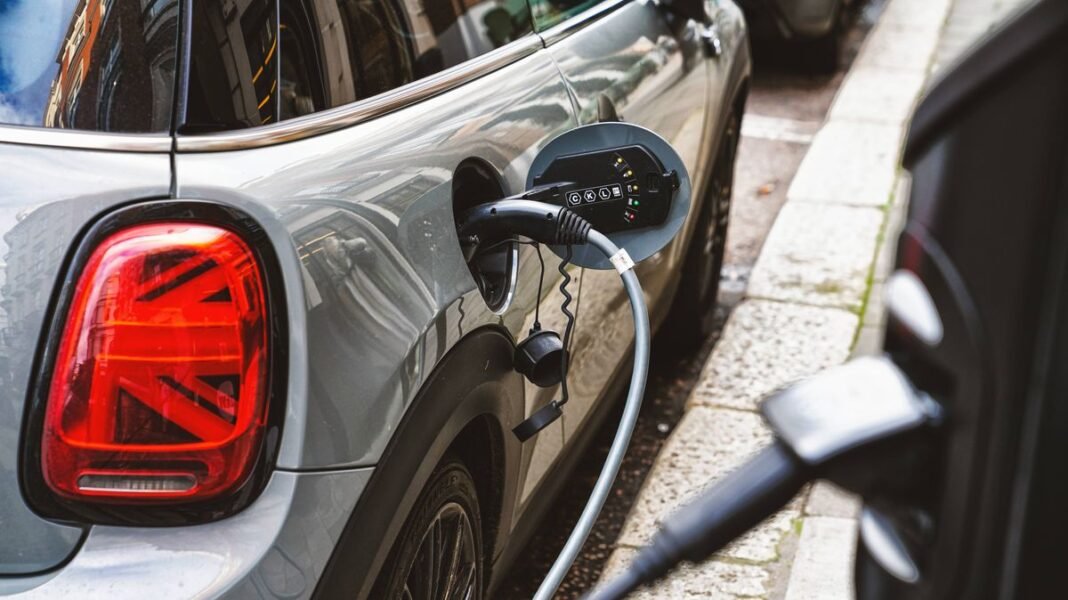

Thousands of motorists are set to receive grants of up to £3,750 each to make the switch to electric vehicles in the upcoming Budget announcement. Chancellor Rachel Reeves is preparing to introduce a substantial £1.5 billion aid package to facilitate the transition to electric vehicles. The Electric Car Grant program will be bolstered by an additional £1.3 billion to prolong its availability for another year.
Through this initiative, car manufacturers can apply for grants to offer electric vehicles at reduced prices. Since its inception in July, the grants have assisted over 35,000 drivers in transitioning to electric vehicles by lowering initial costs by nearly £4,000. A total of £650 million had already been allocated to the scheme until 2028/29.
In addition to the financial support, there will be an expansion of charging infrastructure across the UK, with an extra £200 million allocated to increase the number of charging points. This funding is in addition to the £400 million previously announced earlier this year to enhance the deployment of charging infrastructure.
Furthermore, the Chancellor is expected to release a consultation paper on facilitating affordable and convenient charging options for individuals without access to private driveways. The UK government has also revealed plans to boost domestic production of essential raw materials required for electric vehicles, smartphones, laptops, and other devices, aiming to reduce reliance on China.
Currently, the UK only produces 6% of the necessary components domestically, making the country susceptible to supply chain disruptions. To address this, the UK aims to domestically produce 10% of its raw material requirements and achieve an additional 20% through recycling by 2035.
Key minerals like lithium, nickel, and copper are crucial for various everyday items, such as smartphones and appliances. Demand for these materials, particularly copper and lithium, is projected to surge in the coming years. The strategy aims to produce at least 50,000 tonnes of lithium within the UK in the next ten years, boosting British businesses with a £50 million investment to support critical mineral projects.
China currently dominates global production of critical minerals, controlling a significant portion of rare earth mining and refining activities. The move to strengthen domestic production and reduce dependency on foreign suppliers has garnered support from industry experts and officials, signaling a step towards economic resilience and national security.
Jeff Townsend, CEO of the Critical Minerals Association, praised the government’s commitment to securing critical minerals, emphasizing the importance of the strategy in advancing the UK’s industrial capabilities and economic resilience.