
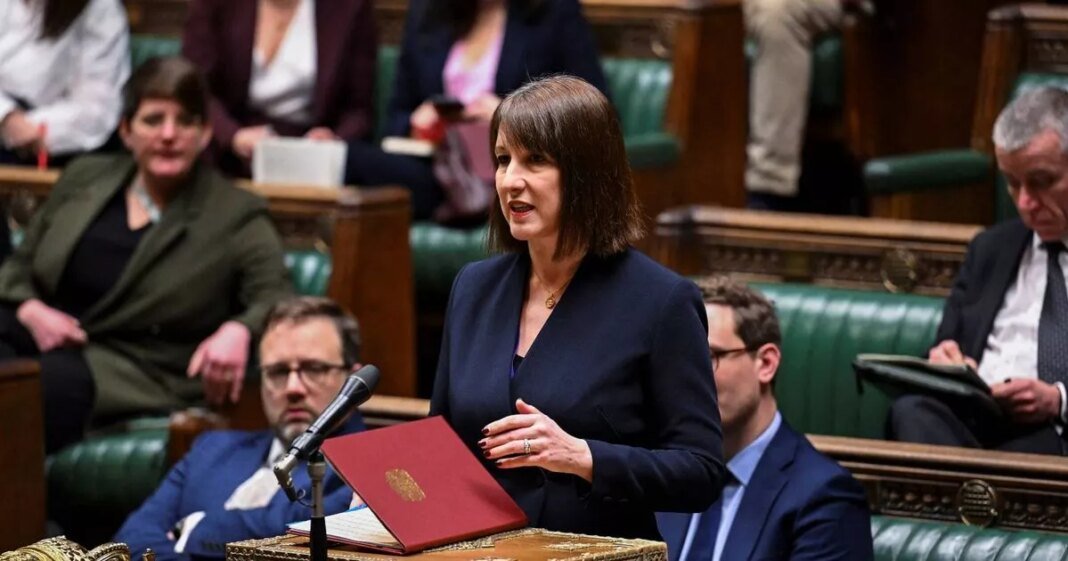

Rachel Reeves is reportedly planning to increase taxes in the upcoming Budget to secure £53 billion in new funding for the NHS. The Chancellor is said to be determined to protect this additional funding for the health service at all costs. Defense Secretary John Healey, from the Labour Party, has avoided confirming whether the party will stick to its pledge of not raising income tax or VAT.
Acknowledging the impact of weaker economic forecasts, there are considerations for adjustments in the Budget. Reeves is contemplating raising the basic rate of income tax for the first time since 1975 and potentially introducing higher council tax bands for expensive properties to boost revenue.
The Chancellor’s main objectives reportedly include reducing NHS waiting lists and national debt. Reeves is aiming for a 2.8% increase in the annual NHS budget, which she is adamant not to reduce. However, a setback occurred when the Office for Budget Responsibility downgraded the UK’s productivity levels by 0.3%, leading to a projected £20 billion rise in public sector borrowing without tax hikes.
Labour is emphasizing the need for stronger economic growth to address the challenges accumulated over the past 14 years under the Tory government. Reeves faces a significant budget gap due to increased borrowing costs and inflation, with additional pressure from policy shifts on winter fuel payments and welfare cuts impacting her decisions.
Furthermore, anticipated modifications to the controversial two-child benefit limit are expected to be announced following mounting pressure from MPs and anti-poverty advocates. While Keir Starmer pledged in the previous manifesto not to raise VAT, national insurance, or income tax, questions remain on whether this commitment still stands. With the Budget scheduled for November 26, Labour aims to outline plans for bolstering the economy, reducing NHS waiting lists, and securing a brighter future for the nation.