
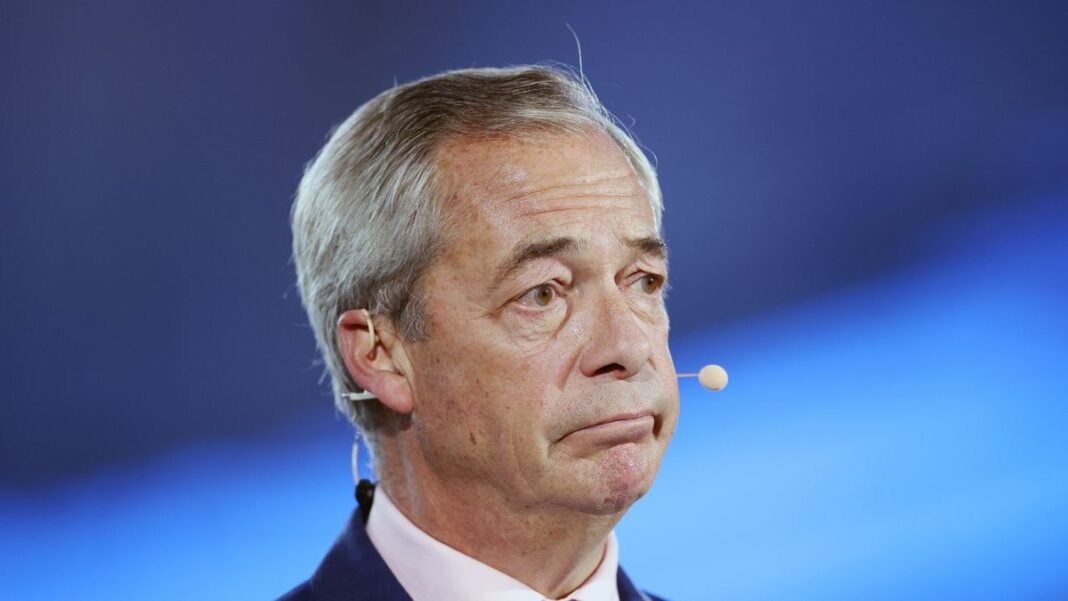

Nigel Farage is facing criticism for his proposal to terminate Universal Credit payments for European Union citizens in the UK, potentially sparking a trade dispute with Europe. The Reform UK leader intends to announce this plan at a press conference today, claiming it could save up to £6 billion. However, this move contradicts the Brexit agreement negotiated by the Conservative Party, which grants EU citizens with settled status the right to certain benefits.
Labour has warned that Farage’s proposal may escalate tensions with Brussels, leading to higher prices for British consumers. Farage defended his stance by emphasizing cost savings and prioritizing British citizens over foreign nationals to avoid the necessity for tax hikes.
Reform UK has outlined a transition period giving EU citizens currently receiving Universal Credit a three-month notice before discontinuing their payments. The party suggested that Farage would seek to renegotiate the benefits aspect of the Brexit deal, a stance likely to be opposed by European leaders.
In response, a Labour spokesperson criticized Farage’s financial projections, cautioning that his actions could burden British taxpayers and harm businesses trading with the EU. Labour emphasized its budget approach aimed at strengthening the economy without resorting to austerity or unsustainable borrowing.
Reform UK put forward a £25 billion proposal, aiming to eliminate the need for tax increases in the upcoming Budget. Among the suggestions is raising the immigration health surcharge to raise additional funds. The Chancellor is set to unveil the Budget measures on November 26 to address a significant budget shortfall while adhering to strict spending guidelines.
Despite initial considerations of an income tax hike, the Chancellor received more favorable forecasts than anticipated, reducing the projected budget shortfall to around £20 billion. This figure, though challenging, represents a more optimistic outlook compared to previous estimates of £30-40 billion.