
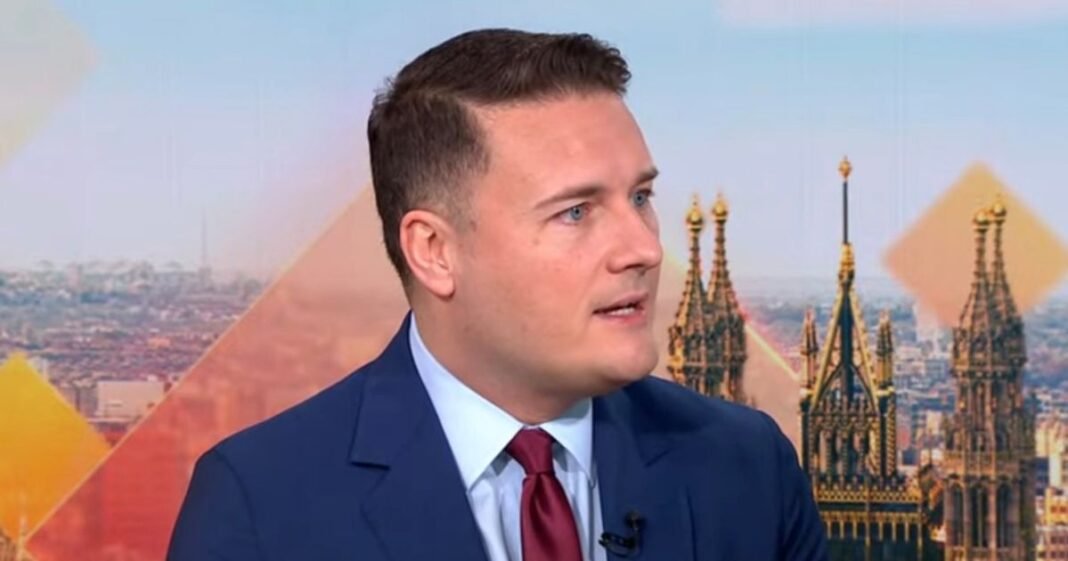

The approval has been granted to Wes Streeting to eliminate 18,000 NHS managers, emphasizing that his focus is not on expanding the workforce.
The Health Secretary has received authorization from the Treasury to implement a significant restructuring plan targeting back office managers and administrative personnel at NHS England and regional NHS centers. This initiative is expected to result in annual savings of £1 billion by the end of the current Parliament, although there will be an initial outlay of £1 billion for expenses like redundancy payments.
Concerns were raised by NHS leaders about a potential £1 billion deficit in their finances this year due to this move, but Mr. Streeting has arranged an agreement with Chancellor Rachel Reeves to postpone the payment.
Under the agreement, the Department of Health and Social Care (DHSC) can exceed its allocated budget by around £1 billion in the current fiscal year, with a requirement to repay this amount from future savings, resulting in reduced funds in 2026/27. Despite Wes Streeting’s request for an emergency injection of £1 billion to cover the integration of back office functions, Ms. Reeves declined the plea.
In an interview on LBC, Mr. Streeting stated that the future savings will be redirected to enhance frontline NHS services, expressing his commitment to ensuring efficient allocation of resources. He emphasized the importance of redirecting resources to frontline care and optimizing the use of funds to benefit taxpayers.
The government has identified integrated care boards (ICBs) as excessively staffed with back office positions over the past decade. As a result, ICBs have been instructed to reduce approximately half of their 25,000 staff, amounting to 12,500 job cuts.
Previously announced reductions in headcount at both NHS England and the Department of Health are set to eliminate around 18,000 administrative and managerial roles, including those within ICBs. The reforms aim to reduce unnecessary bureaucracy and generate £1 billion annually by the end of the parliamentary term to enhance patient services.
It is estimated that savings of £1 billion in bureaucratic costs can fund an additional 116,000 hip and knee operations. Chancellor Rachel Reeves is expected to provide further details on healthcare in the upcoming Budget on November 26.
During an interview on BBC Breakfast, Mr. Streeting highlighted feedback from NHS staff regarding excessive layers of management and bureaucracy, emphasizing the prioritization of frontline services.
In his address to health leaders at the NHS Providers conference in Manchester, Mr. Streeting was anticipated to convey a message of progress towards recovery. He acknowledged positive developments in reducing waiting lists and meeting NHS manifesto commitments, while acknowledging ongoing challenges in access to healthcare services.