
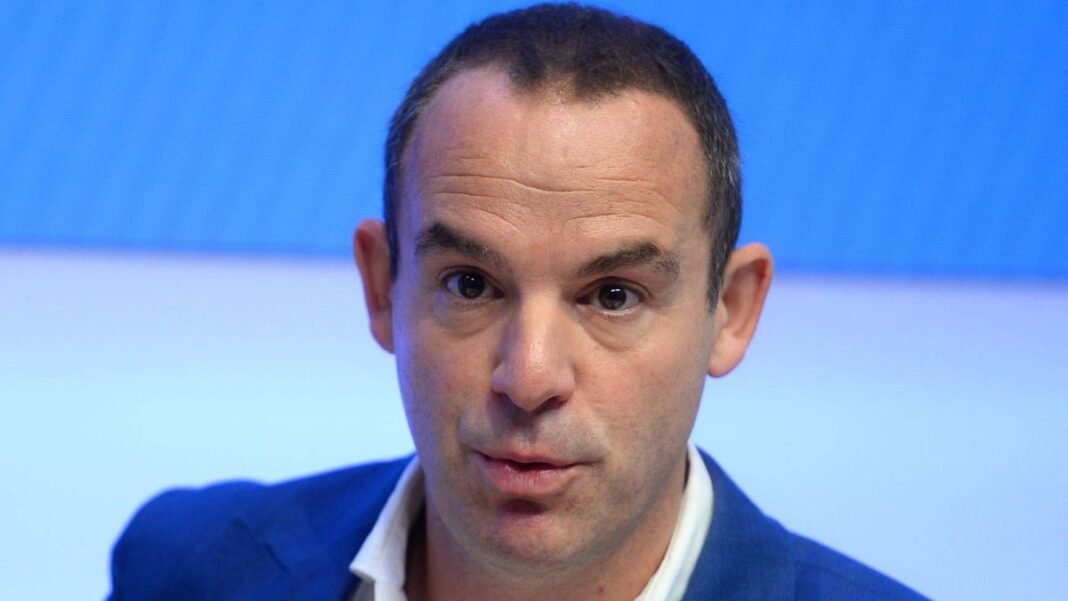

Martin Lewis has given his immediate evaluation of the Budget and how alterations to taxes and energy expenses will impact individuals’ finances. The Money Saving Expert founder shared his thoughts in a recent video following Chancellor Reeves’ latest Budget announcement, which included the elimination of the two-child benefit limit, reductions in energy costs, and the introduction of a new tax on high-value properties exceeding £2 million.
Lewis expressed satisfaction with the adjustments to gas and electricity fees, highlighting the shift of certain charges into general taxation and the elimination of the ‘eco scheme’. This adjustment is projected to result in a decrease of approximately 3.4p per kilowatt-hour off electricity charges and 0.3p per kilowatt-hour off gas expenses. Overall, this modification is expected to lead to an average annual saving of around £150 on energy bills.
However, Lewis raised concerns about whether these reductions would apply to fixed rate tariffs, noting that the government aims for energy providers to pass on the savings directly to consumers. He emphasized that these changes should reflect on everyone’s bills starting from the next fiscal year.
Regarding the high-income surcharge on council tax for affluent homes in England, Lewis detailed the varying annual costs based on property value ranges. Additionally, he mentioned that owners of electric vehicles will face a surcharge of 3p per mile starting from April 2028, although the method of collection is still unclear.
While bus fares, rail fares, and NHS prescription charges are set to remain unchanged in the upcoming year, Lewis pointed out that alcohol and cigarette duties will rise in line with inflation. He also discussed the adjustments to Cash ISAs, including the reduction of the annual allowance to £12,000, with exceptions for individuals over 65 who can maintain a £20,000 limit for cash ISAs.
Following an early leak of budget forecasts by the Office for Budget Responsibility (OBR), Lewis criticized the error and the subsequent confusion it caused in financial markets. The OBR chairman, Richard Hughes, apologized for the premature publication and announced an investigation into the incident.
Despite calls for his resignation, Hughes stated his commitment to following recommendations and serving as long as he retains the confidence of the Chancellor and the Treasury Committee. Chancellor Reeves expressed confidence in Hughes and did not support calls for his resignation over the leak.