
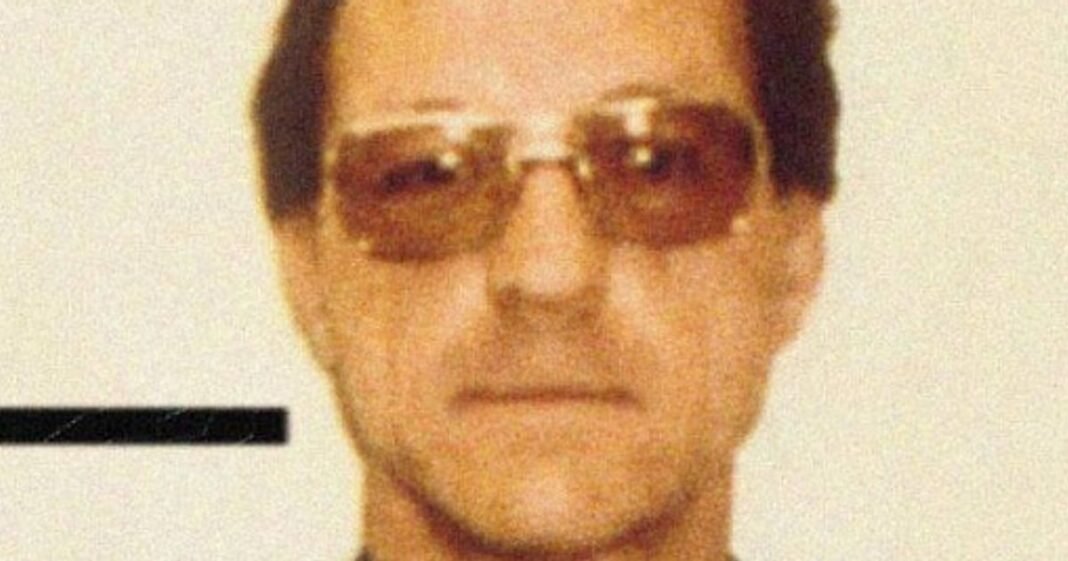

A notorious serial killer transformed his truck into a chamber of horror, preying on over 50 young females in a chilling spree of violence that included leaving a disturbing message for a victim’s family.
Known as the “Truck Stop Killer,” Robert Ben Rhoades terrorized his female targets during his crime spree across the United States spanning from 1975 to 1990. His victims, often vulnerable individuals like hitchhikers, sex workers, or solitary women at truck stops, fell prey to his malevolent intentions.
Operating across state borders in his truck, detectives suspect Rhoades utilized the remoteness of interstate travel to evade law enforcement. Authorities believe that at the peak of his criminal activities, he could have been kidnapping and subjecting women to prolonged torture within his rig before ultimately ending their lives and discarding their bodies in desolate areas in Texas, Utah, and Illinois.
Rhoades’ first confirmed killing was Regina Kay Walters, a 14-year-old girl abducted in Illinois in 1990. He subjected her to heinous acts of violence, capturing a chilling image of her in a defensive stance before mercilessly ending her life in an abandoned structure.
Former FBI assistant director Frank Figliuzzi remarked on the heinous nature of the crimes committed by killers like Rhoades, highlighting the extreme cruelty displayed towards the victims. Rhoades infamously contacted Regina’s father to relay disturbing changes he made to her appearance before her tragic demise.
Following his dishonorable discharge from the Marines in the late 1960s, Rhoades transitioned into a long-haul truck driver role, setting the stage for his reign of terror. Although officially convicted of only a few murders, law enforcement estimates suggest that Rhoades could have been responsible for the deaths of 50 or more women and girls, considering his abduction patterns, torture sites, and extensive travel routes.
Rhoades’ criminal activities came to a halt on April 1, 1990, when he was apprehended in Arizona on charges of aggravated assault, sexual assault, and unlawful imprisonment after a woman was discovered restrained inside his truck’s sleeper cab. Subsequently, he was convicted of Regina’s murder in 1994 and sentenced to life imprisonment without the possibility of parole.
The escalating threat posed by truck killers in the United States prompted the FBI to establish a specialized unit, the Highway Serial Killings Initiative, aimed at identifying and capturing these malevolent criminals. Figliuzzi elaborated on the unique challenges faced by long-haul truckers, suggesting that the lifestyle associated with the profession could potentially contribute to mental health issues that might predispose individuals to commit violent acts.
In conclusion, the harrowing tale of Robert Ben Rhoades, the “Truck Stop Killer,” serves as a chilling reminder of the dark realities lurking within society, highlighting the need for continued vigilance and efforts to prevent such atrocities from occurring again.