
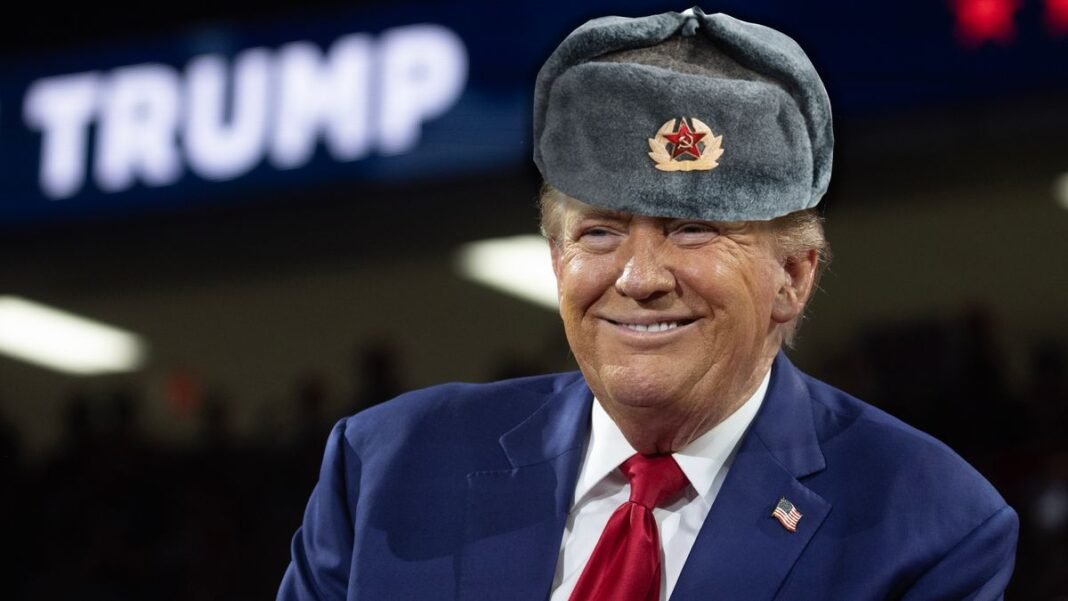

In a stunning display of diplomatic missteps, the Ukraine “peace plan” proposed by President Donald Trump has raised eyebrows for its glaring alignment with Russian interests, akin to a series of nested Kremlin-issued Matryoshka dolls.
Recent leaked transcripts have shed light on the unsettling reality behind this plan: the responsibility for managing one of the world’s most critical geopolitical crises was delegated to Steve Witkoff, a real estate tycoon whose expertise in global security is limited to a social acquaintance with Trump.
Witkoff’s lack of diplomatic or strategic credentials makes his involvement a farce in any serious administration. Yet, in the Trump administration, it is considered business as usual. The transcript of Witkoff’s conversation with Yuri Ushakov reveals a cringe-worthy display of flattery and unqualified advice, painting a portrait of diplomatic amateurism.
The White House’s failure to challenge the authenticity of the transcript speaks volumes. Trump’s defense of Witkoff’s actions as standard dealmaking further underscores his casual approach to European security concerns, reducing critical negotiations to a mere transaction.
Subsequent revelations of Russian officials openly discussing the alignment of the US plan with Moscow’s interests highlight the alarming degree of collaboration under the current administration. Meetings between Witkoff, Jared Kushner, and key Russian figures resulted in a proposed “peace plan” that heavily favored Russian demands, portraying a compromised vision disguised as compromise.
This favoritism towards Russian interests not only undermines Ukrainian sovereignty but also poses a direct threat to European security. A weakened Ukraine sets a dangerous precedent, emboldening Moscow to pursue further aggressive actions along NATO borders, endangering the stability of the entire region.
The reckless handling of these delicate matters has not gone unnoticed, with even members of Trump’s own party expressing concerns over the administration’s apparent alignment with Russian objectives. The President’s misguided belief in his ability to single-handedly resolve conflicts through questionable deals reflects a dangerous mix of naivety and arrogance.
As Europe watches anxiously, Trump’s cavalier attitude towards international diplomacy continues to jeopardize the safety and stability of the continent. By entrusting critical negotiations to unqualified individuals and disregarding professional advice, Trump’s administration has played a dangerous game with the future of an entire continent, prioritizing personal interests over global security.
The repercussions of such negligence extend far beyond Ukraine, with potential ramifications reaching cities like Warsaw, Riga, and Vilnius. The casual approach to international relations, characterized by amateurish tactics and misplaced priorities, poses a real and immediate threat to global peace and stability.
In conclusion, the Trump administration’s apparent alignment with Russian interests and disregard for diplomatic norms represents a profound failure in leadership and a grave risk to international security. The consequences of such negligence cannot be overstated, as the fate of entire nations hangs in the balance.